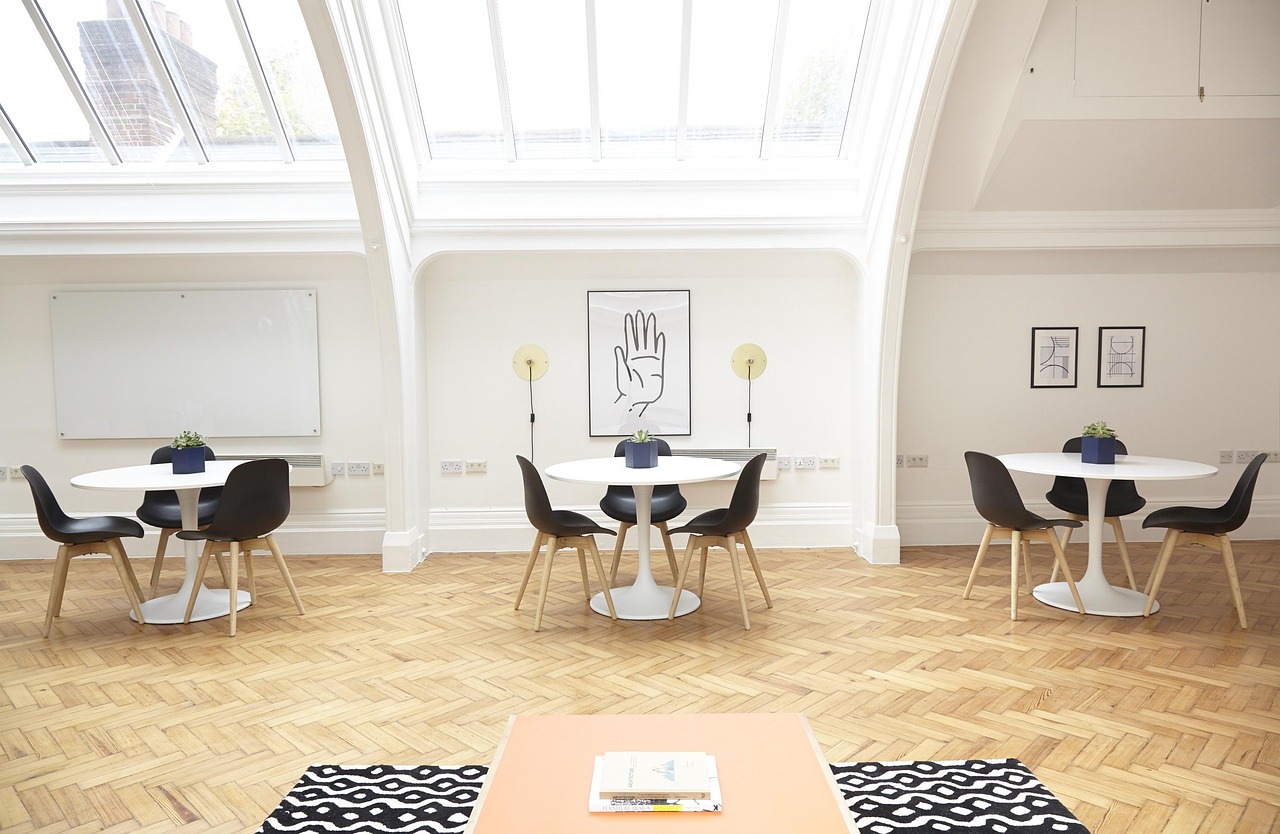
Americans are spending substantial time at home, and a growing body of health and design research is examining how indoor environments affect stress, attention, and daily well-being. In that research, the arrangement of furniture inside living rooms, bedrooms, and shared spaces is emerging as a practical factor that can influence mood every day.
Research is tying room arrangement to stress, privacy, and social behavior

The core finding is not that one sofa shape or décor style causes happiness, but that layout affects how people move, interact, and regulate privacy. A 2025 study published in Scientific Reports said spatial balance, negative space, and natural harmony were central design factors linked to restorative experience in interior settings. That work focused on Zen-inspired spaces rather than typical U.S. apartments, but it added current evidence to a broader environmental psychology literature that has long connected layout with emotional response and stress.
Earlier research remains important because it measured how people behaved in real shared spaces. In a residential crowding study published in the Journal of Personality and Social Psychology, researchers found that dorm residents in long corridors with more people sharing space reported more crowding and more social problems over time, while residents in smaller, modified shared environments reported fewer of those problems. The paper tied stress not simply to square footage, but to architectural features that changed privacy, interaction, and control over space.
More recent health and housing reviews have reached similar conclusions in different settings. An integrative review of permanent supportive housing in the U.S. and Canada said design characteristics associated with residents’ mental health included housing quality, furniture arrangement, floor-plan layout, and access to nature and outdoor space. The review also said the arrangement of spaces can influence how well occupants control social interaction, a factor closely related to comfort and emotional regulation in everyday life.
There is also evidence that design choices affect social engagement, which can in turn affect mood. A 2024 mixed-methods study of care homes found that larger recreational areas, better lighting, improved accessibility, and stronger functional design were associated with higher frequencies of social interaction. While care homes are not directly comparable with private homes, the study reinforced the same underlying point: the built environment can shape whether a room feels isolating, overstimulating, or easy to use.
The biggest day-to-day effects often come from circulation, light, and perceived crowding

For most residents, the practical issue is circulation: whether a room allows easy movement without visual or physical friction. When furniture blocks paths, forces awkward turns, narrows personal space, or creates a constant sense of obstruction, the result may be low-level stress rather than an immediately obvious design problem. Environmental health research has long shown that indoor experience is shaped by a mix of physical and social-psychological factors, meaning mood is often influenced by how a room feels to occupy, not just how it photographs.
Perceived crowding matters even when a home is not objectively small. Studies cited in environmental psychology literature have found that density, personal-space intrusion, and lack of privacy can affect how people perceive themselves, others, and the setting around them. That helps explain why two rooms with the same dimensions can produce different reactions: a layout with clear sightlines and open space may feel calmer than one packed with oversized furniture, competing visual focal points, or blocked windows.
Light is another major factor connected to mood through layout decisions. The National Institutes of Health’s broader design and health materials on salutogenic and biophilic architecture describe how natural light and views of nature can support restorative environments and influence biological systems related to well-being. In everyday terms, a sectional placed across the brightest window, a desk facing a blank wall instead of daylight, or a tall bookcase cutting off views can change the emotional tone of a room even if nothing else in the household changes.
Social orientation also plays a role. Seating arranged to support conversation, rest, or a clear purpose can make a room easier to use, while confusing layouts can reduce comfort and lead people to withdraw. Researchers studying built environments in both residential and care settings have repeatedly found that accessibility, usable common areas, and space arrangement affect social participation. In a home, that can mean the difference between a living room that supports connection and one that subtly discourages it.
What this means for residents is less about style and more about control over the room
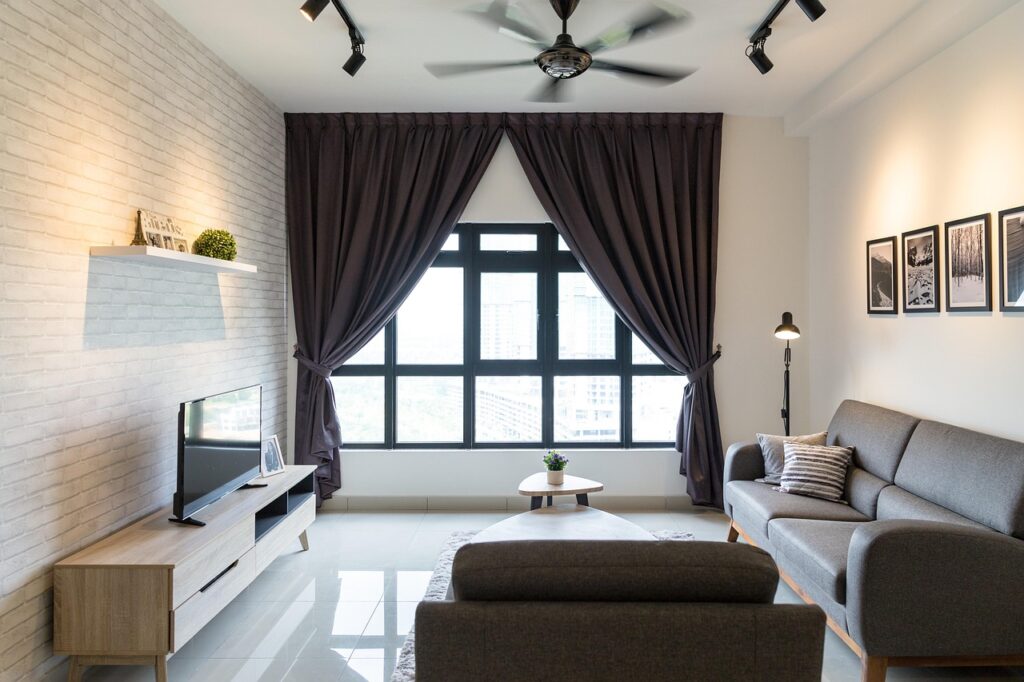
The strongest takeaway from the available evidence is that mood effects are usually indirect. Furniture layout appears to matter because it changes several conditions known to influence well-being: perceived crowding, privacy, ease of movement, exposure to daylight, noise experience, and opportunities for social interaction. Researchers and design-health reviews do not present a universal blueprint for the ideal room, but they consistently point to control and usability as important features of healthier spaces.
That means a resident does not necessarily need new furniture to change the feel of a room. Based on the research, the most relevant adjustments are often modest: preserving walkways, reducing unnecessary blockage between doorways and windows, leaving enough open space to avoid constant personal-space intrusion, and arranging seating to match how the room is actually used. In smaller homes, the goal is not minimalism for its own sake, but lowering friction and making the space feel legible.
The evidence also suggests that personal needs matter. A layout that feels energizing to one person may feel overstimulating to another, especially in multigenerational homes, shared apartments, or households where one room serves several functions. Studies of décor and living spaces in later life have shown that furnishings and room setup can reflect both functional limitations and personality, indicating that emotional comfort depends partly on fit between the person and the environment.
What remains unconfirmed is any precise formula that guarantees better mood for every household. The research does support a narrower conclusion: when furniture placement improves access to light, movement, privacy, and social comfort, the room is more likely to support day-to-day well-being. That is why environmental psychology, housing research, and design-for-health studies continue to treat layout not as a cosmetic issue, but as part of how people experience home.