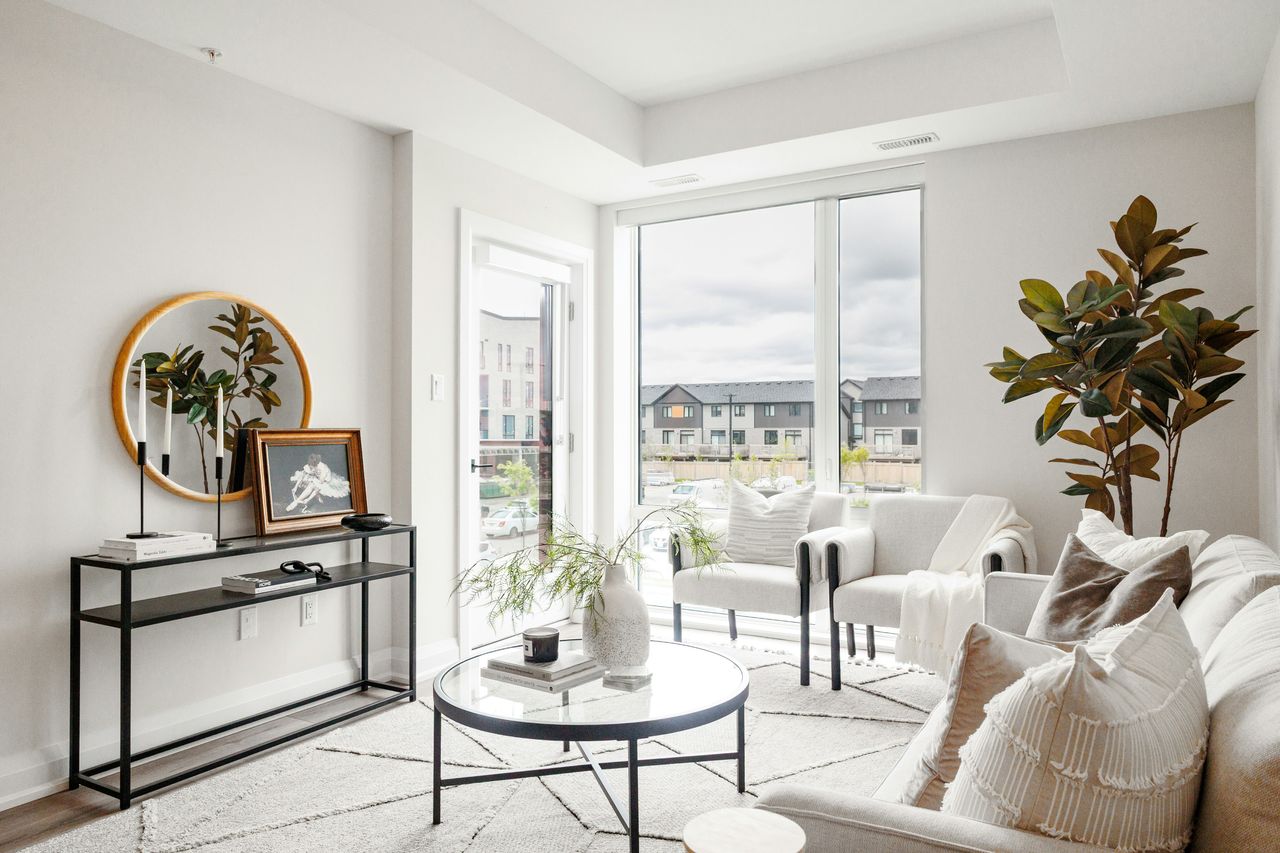
Home staging remains a measurable part of the U.S. resale market, with the National Association of Realtors reporting in May 2025 that staged homes can influence both buyer perception and, in some cases, sale price. Within that broader playbook, one of the least glamorous but most repeated tasks before a showing is a lighting reset, including swapping yellow-toned bulbs for cleaner white light.
Professional stagers treat lighting as a first-day showing task

The broader event here is not a corporate rollout or a new law, but a recurring industry practice that has been reinforced by recent trade data and agent guidance. In its May 6, 2025 release accompanying the 2025 Profile of Home Staging, the National Association of Realtors said 29% of agents reported that staging led to a 1% to 10% increase in the dollar value offered, while 49% of sellers’ agents said staging reduced time on market. The same report said 83% of buyers’ agents believed staging made it easier for buyers to visualize a property as a future home, giving context for why stagers focus on details that photographs and in-person tours immediately reveal.
One of those details is lighting quality, not just whether lights are on. Realtor Magazine, which is published by the National Association of Realtors, reported in a March 2026 roundup of common home-showing mistakes that some listing agents change lighting “from yellow to white” on many listings before buyers arrive. In the same coverage, agents described lighting as part of the basic presentation standard for kitchens, bathrooms, bedrooms, and entry spaces, where buyers tend to notice cleanliness, brightness, and upkeep quickly.
That showing-day change matters because it is inexpensive, fast, and visible in both listing photos and walk-throughs. Apartment Therapy previously quoted stager and designer Justin Riordan recommending 3000K warm white bulbs for staged homes, a reminder that “white” in staging language usually means a clearer, less amber cast rather than harsh blue commercial light. Professional stagers also commonly open blinds, turn on lamps, and make bulb color consistent from room to room so buyers are not distracted by patchy lighting temperatures or dim corners.
Recent NAR data helps explain why this kind of detail persists. The group’s 2025 Profile of Home Staging found the living room was the most important room to stage, cited by 37% of buyers’ agents, followed by the primary bedroom at 34% and the kitchen at 23%. Those are all spaces where lighting directly affects how large, clean, and move-in ready a home appears, both online and in person.
In local markets, the impact is strongest where showings are fast and visual

For local buyers and sellers, the lighting reset has a practical impact because most home searches now begin with listing photos, short-form video, and tightly scheduled in-person tours. NAR’s 2025 staging report found that 73% of buyers’ agents said photos were much more or more important to their clients, while 48% said the same about videos and 43% about virtual tours. That means a bulb swap made before a showing often affects not just the people who walk through the front door, but the much larger audience seeing the home first on a screen.
What is confirmed is that real estate professionals continue to treat brightness and consistency as part of staging, especially in main living areas. NAR’s consumer guidance on staging says the goal is to help a home be seen in its best light, and the trade group ties that directly to decluttering, styling, and visual presentation rather than major renovation. What is not publicly known is how many local agents in any single city or metro area systematically replace bulbs before every showing, because the industry has not released a comprehensive market-by-market count of that practice.
That gap in local data matters when readers try to distinguish between universal rules and common professional habits. There is no national requirement telling sellers in California, Texas, Florida, or New York to replace warm bulbs with white ones before showings, and no central registry tracking how often stagers do it. But multiple industry sources point in the same direction: if a room reads dark, dingy, or uneven on camera or in person, lighting is one of the first fixes professionals make because it is cheaper and faster than repainting, remodeling, or replacing furnishings.
In many apartment-heavy or condo-heavy markets, that can be especially relevant. Smaller units, shaded ground-floor spaces, older fixtures, and mixed bulbs from different brands can make interiors feel less cohesive than they are. A consistent lighting temperature across kitchens, hallways, bathrooms, and living areas can make a compact space photograph more evenly and feel more intentional during a short showing window, even when square footage does not change.
The reason is simple: buyers judge cleanliness, scale, and upkeep in seconds

The context behind this practice is broader than aesthetics. NAR’s May 2025 report said more than half of sellers’ agents did not fully stage homes before listing but still recommended that sellers declutter or correct property faults, showing that professionals often reserve money for improvements with immediate visual payoff. Lighting fits that logic because it affects perceived cleanliness, maintenance, and room size without requiring construction or large staging budgets.
There is also a buyer-expectation issue. Realtor Magazine reported in May 2025 that about half of agents said buyers expect homes to look like professionally staged spaces seen on television, and 58% said buyers are disappointed when homes they visit do not live up to that standard. That creates pressure on agents and stagers to eliminate easy visual negatives before a showing, particularly anything that makes a home feel older or less cared for than competing listings in the same price range.
Industry guidance consistently frames lighting as part of that first-impression management. NAR’s consumer-facing staging advice emphasizes natural light, while its editorial coverage in 2026 listed poor lighting among the most common buyer turnoffs in staged homes. The issue is not only brightness but uniformity: a cool bulb in one lamp, a warm amber bulb in the ceiling, and a dim vanity fixture in the bathroom can make a home feel pieced together, even when the layout and finishes are strong.
For residents preparing for a sale, the practical takeaway is that professional staging often begins with technical, low-cost adjustments rather than decorative flourishes. A showing-ready home may have fewer personal items, cleaned sight lines, open window coverings, and lightbulbs selected to produce a clearer, more consistent tone across the rooms buyers care about most. As the 2025 National Association of Realtors report made clear, staging remains tied to faster sales and stronger buyer visualization, and lighting is one of the easiest parts of that process to change on the same day a showing is scheduled.