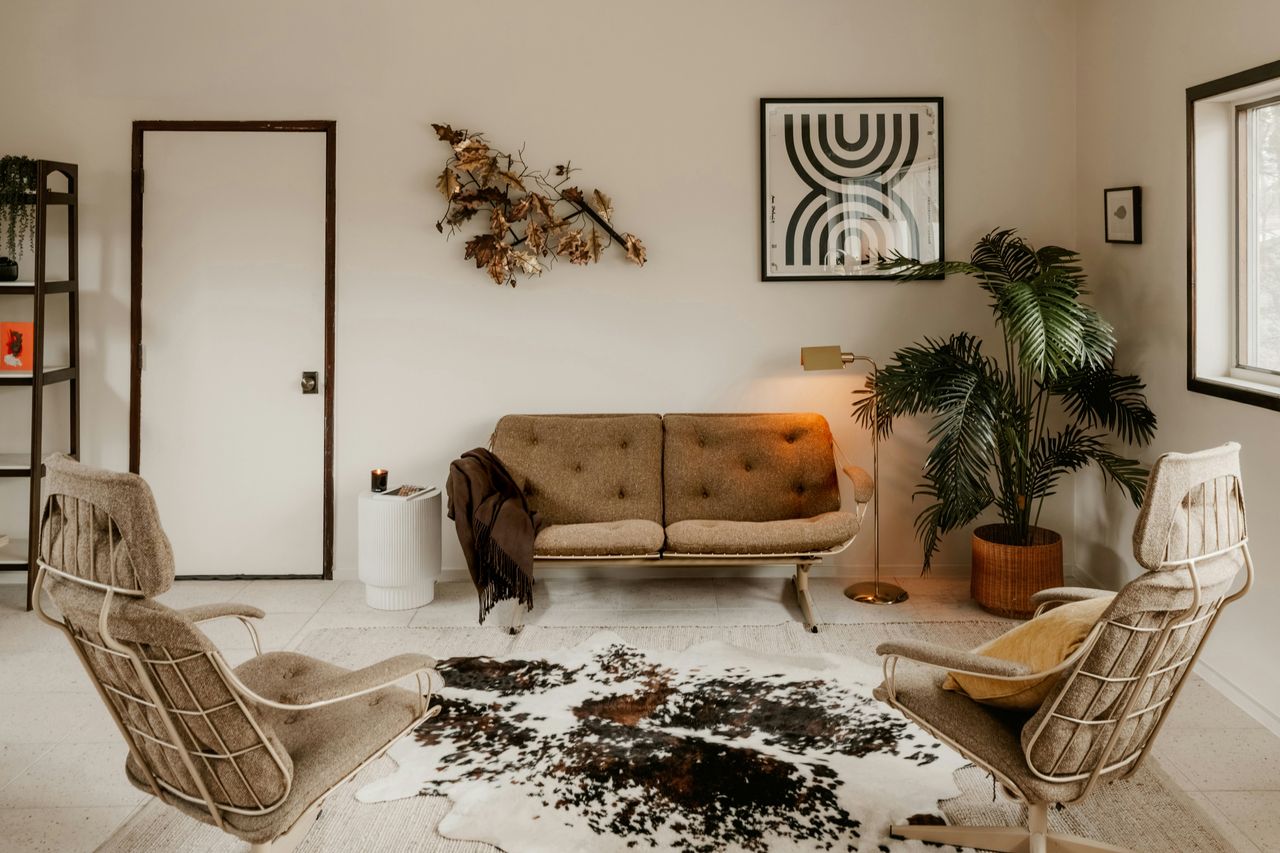
Interior design advice in 2026 has focused heavily on how small details can undercut expensive-looking rooms. In that coverage, one issue appears again and again across national shelter titles: beautiful homes that are pulled off balance by rugs sized too small for the space.
Designers keep identifying undersized rugs as a recurring problem in 2026
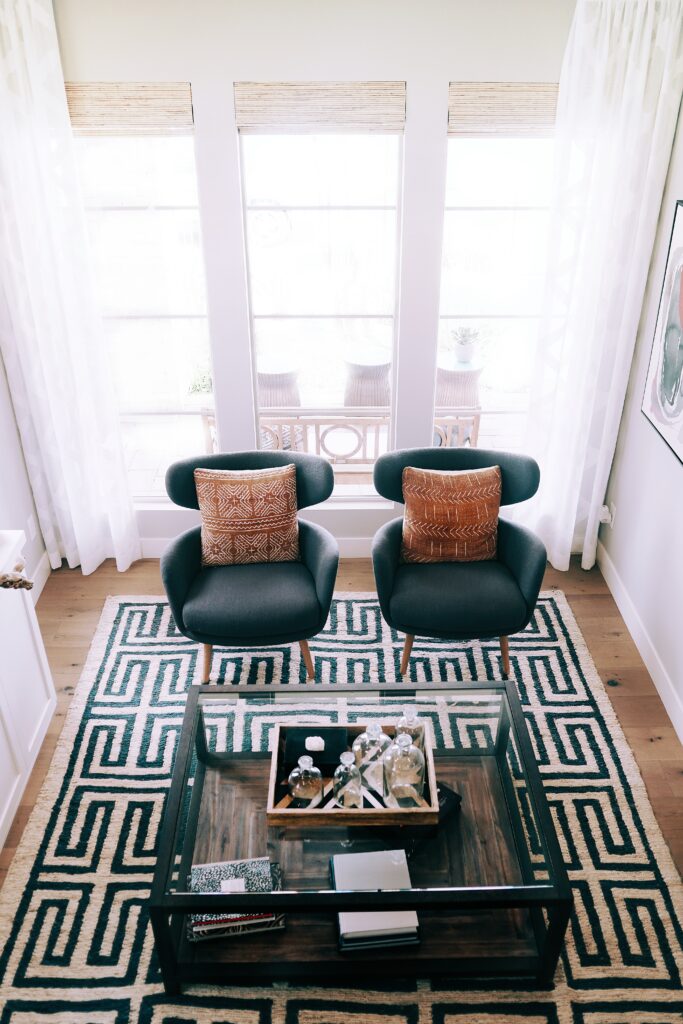
House Beautiful put the issue near the top of its May 19, 2026 roundup of decorating mistakes professionals notice first when they walk into a home. In that report, designer Gideon Mendelson said one of the biggest mistakes he sees is rugs that are too small for a room, while designer Meghan Jay said rugs should anchor a furniture grouping rather than float in the middle of a room or sit only beneath a coffee table. The article framed the point as a repeat problem in otherwise attractive interiors, not a niche complaint limited to one style category.
Good Housekeeping reinforced the same theme in a June 23, 2026 feature gathering common home mistakes designers want homeowners to stop making. That article said improperly scaled rugs are among the design missteps that can make a room feel off, smaller, flatter, or incomplete, according to the magazine’s reporting and the designers it interviewed. While the feature covered 14 separate mistakes, rug scale was elevated in the article’s summary as one of the easiest-to-overlook choices that changes how a whole room reads.
The consistency across outlets matters because these stories were published independently and drew on different designers. House Beautiful focused on proportion, furniture placement, and visual balance. Good Housekeeping grouped rug sizing with other common errors such as cord clutter, overly trendy decor, and low-quality hardware, but still highlighted scale as a foundational issue rather than a finishing touch. Taken together, the coverage shows a broad editorial consensus in 2026 shelter media that rug proportion is one of the fastest ways a beautiful home can look unfinished.
That framing also separates the rug issue from short-lived trends. Designers quoted in these reports were not objecting to a particular color, pattern, or material. They were pointing to a planning mistake involving measurements, furniture layout, and how a room is visually grounded, which is why the problem shows up in traditional, modern, and transitional homes alike.
The issue shows up nationally because it affects layout more than style
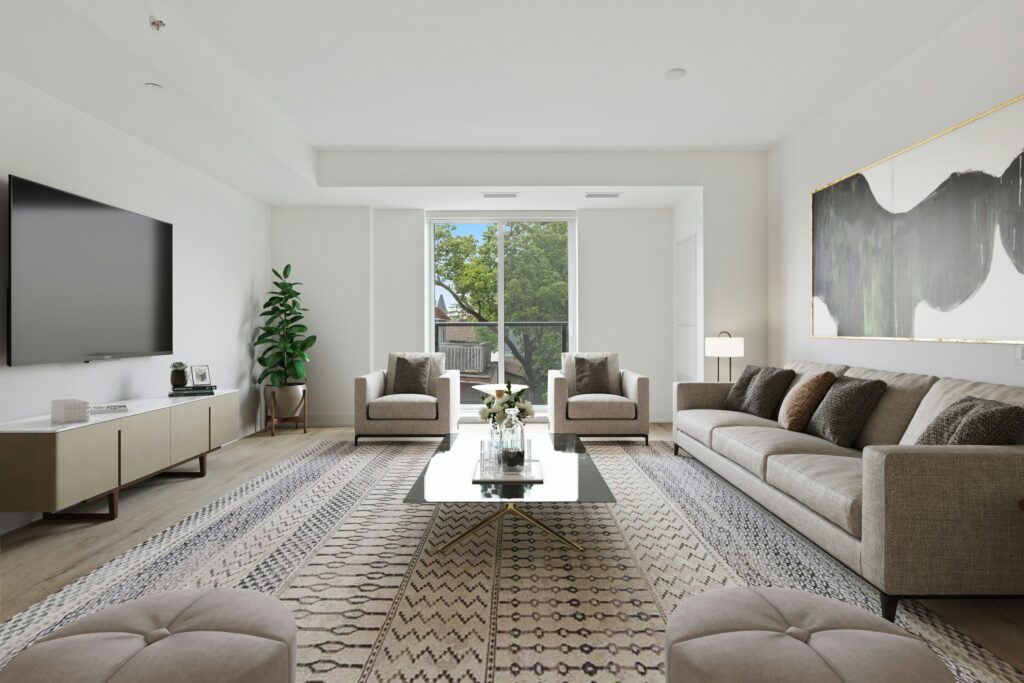
The design problem is not tied to one state or one housing market. The magazines describing it featured designers based in places including Chicago, New York, and other major design centers, which suggests the complaint is national in scope rather than regional. That matters for readers because the same mistake can appear in a suburban house, a city apartment, or a newly renovated open-plan space.
House Beautiful’s reporting explained the practical effect clearly: when a rug is too small, furniture looks disconnected. Instead of supporting the seating plan, the rug becomes an isolated object, often centered under a coffee table while sofas and chairs sit beyond its edges. Designers told the magazine that a larger rug can actually make a room feel both more spacious and more balanced, which runs against the common assumption that choosing a smaller rug saves money without changing the overall look.
Other 2026 design coverage points in the same direction even when the headline topic is broader. Good Housekeeping described improperly scaled rugs as one of several mistakes that can make a room feel incomplete. Sunset Magazine, in an April 27, 2026 feature on common decorating errors, similarly emphasized how seemingly minor choices can undermine a finished room, especially when they interrupt visual flow or make a space feel awkward. Although Sunset’s article focused on refrigerators, lighting, cords, and overdone surfaces, its underlying point was the same: polished homes are often compromised by details that distort proportion or harmony.
What remains less clear is how often homeowners correct the issue once they recognize it. The publications do not provide survey data measuring how many households have undersized rugs, and no comprehensive national dataset tracks this specific decorating mistake. The reporting instead relies on repeated observations from working designers. Even so, the overlap among outlets published within weeks of one another suggests this is not an isolated opinion but a commonly observed pattern in residential interiors.
Why designers say the mistake happens, and what it means for homeowners
The cause appears to be a mix of budget decisions, measurement errors, and misunderstanding about scale. House Beautiful’s May report said people often realize a rug looks too small once it is unrolled but keep it anyway. Good Housekeeping’s June article described rug sizing as an easy detail to overlook, grouping it with other choices that seem minor at purchase but significantly affect the finished space. In both accounts, the problem is less about taste than about planning.
Price is likely part of the equation, though the publications do not quantify it. Larger rugs cost more, and homeowners often try to contain spending on big-format items after paying for sofas, beds, lighting, and paint. Designers in these stories argue that the strategy can backfire visually, because a smaller rug weakens the room’s proportions and makes expensive furniture appear less intentional. That is why professionals continue to recommend sizing up when a room is on the border between two standard rug dimensions.
The broader design context in 2026 also helps explain the warning. Good Housekeeping’s feature cautioned against filling rooms with too many trends and advised readers to invest in timeless foundational elements. A properly scaled rug fits that logic because it is part of the room’s structure, not just an accessory. House Beautiful similarly presented the mistake as one of several core design errors professionals notice immediately, alongside mismatched light-bulb temperatures, missing accessories, and poorly judged furniture scale.
For homeowners, the takeaway is practical and immediate. The current wave of designer advice suggests that before replacing art, repainting walls, or buying more decor, readers should look first at whether the rug actually anchors the furniture group. The 2026 coverage does not suggest a new rule unique to this year; instead, it shows designers returning to a long-standing principle that proportion still determines whether a room feels cohesive. In a season filled with trend forecasts and product advice, that is the point experts have been making most consistently.