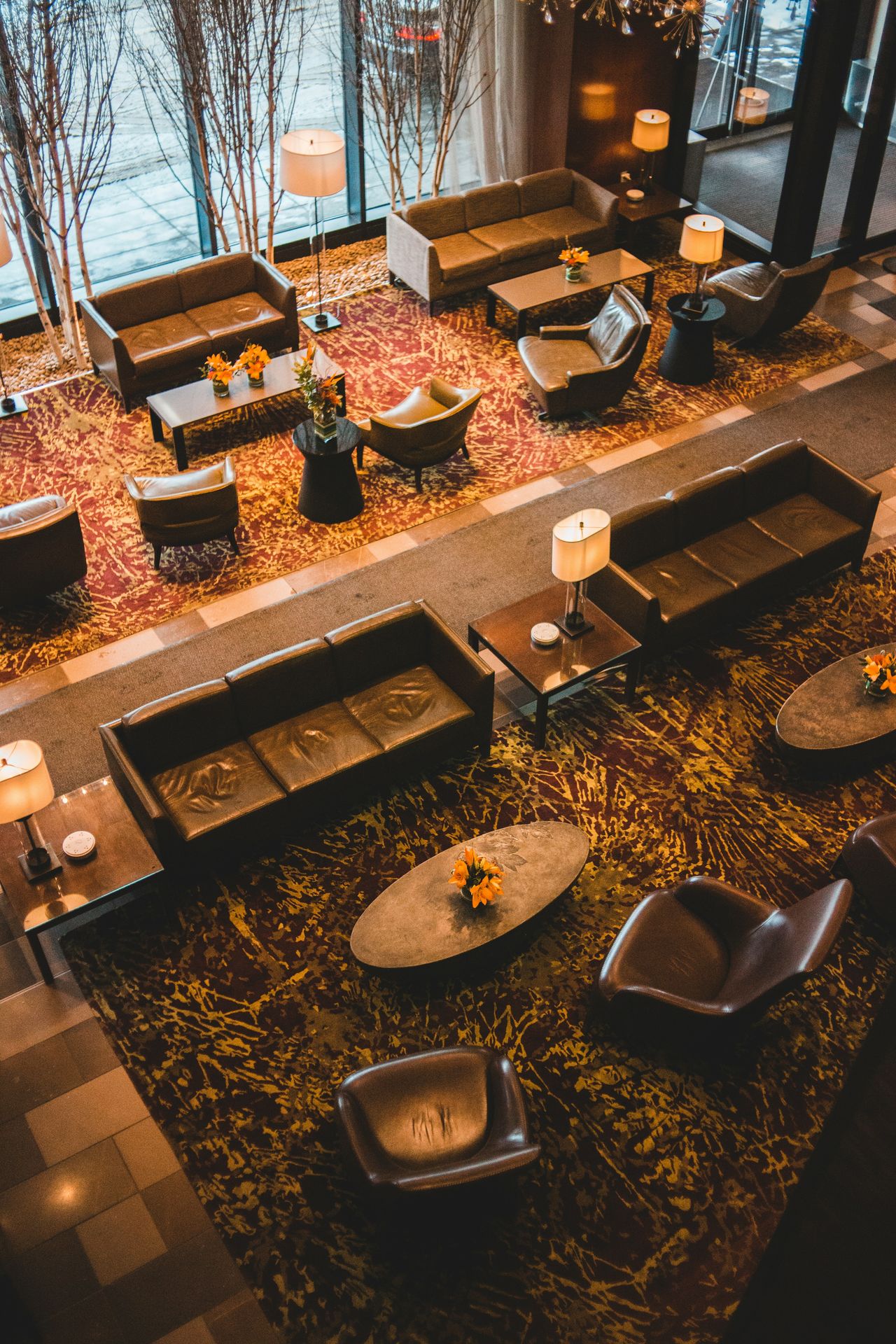
Luxury hospitality has spent years selling design, but current reporting and brand materials show that the business increasingly competes on how a hotel makes guests feel, not simply how it looks. That shift is clearest in luxury properties, where lighting, sound control, scent, sleep conditions, and highly trained staff are now treated as core parts of the product.
Luxury operators are emphasizing sensory design and service, not just decor
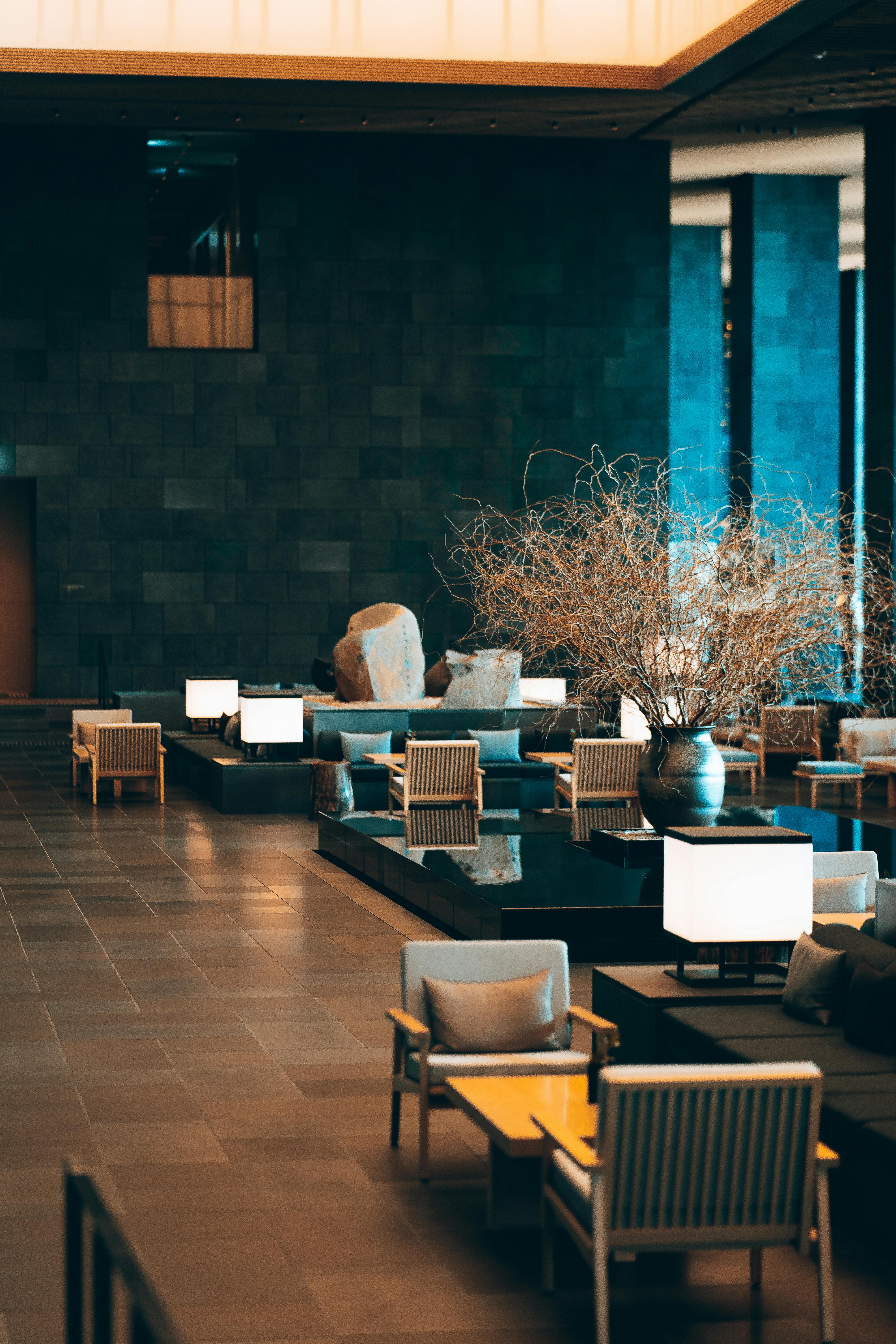
A growing body of hotel reporting and brand guidance points to the same conclusion: the calm people associate with luxury hotels is built through systems, not just furniture. In an April 30, 2026 Forbes report on the sector, hospitality strategist Yannick Alléno described a model in which “the light is considered” and “there’s a scent,” while the story framed luxury hospitality as a business increasingly defined by how intentionally a place is run rather than how expensive it appears. McKinsey, in its analysis of top hotel customer experience, also found that standout luxury brands separate themselves through highly personalized service and consistent delivery, not only through physical upgrades.
That distinction matters because furniture is visible, while many of the strongest relaxation cues are less obvious to guests. Accor’s Novotel brand says sensory design uses light, scent, sound, taste, and texture together to create spaces that “comfort, inspire and calm the brain.” That language mirrors what hospitality designers and operators have been saying more broadly: a guest may notice the chair or the marble, but the body often responds first to softer lighting, quieter acoustics, natural materials, better airflow, and the absence of friction during check-in, dining, and sleep.
The hotel sector has also increasingly connected relaxation to sleep performance. Novotel’s guest guidance says soundproofing, blackout conditions, and cool room temperatures help travelers sleep better, which directly affects whether a stay feels restorative. Separate hospitality research published in Frontiers in 2025 argued that sonic environments are still underused in hotels even though sound influences comfort and satisfaction in ways guests may not consciously identify. That supports the broader industry point: luxury often registers as ease, not ornament.
Service is the other major factor. Marriott says its guest experience is built on “thoughtful attention to detail,” while Forbes reported this year that luxury hospitality has a “people problem” because trained staff remain central to making a property feel personal and calm. In practice, that means a seamless arrival, a room prepared correctly, quick problem resolution, and staff who remove small decisions from a traveler’s day. Those elements cost money, but they are different from spending on premium furniture alone.
The impact reaches travelers everywhere, even when no single state dominates the trend

This is not a trend confined to one resort corridor or one flagship brand. National hotel groups market sensory design, sleep quality, and staff-led experience as scalable features across multiple markets, including urban business hotels, airport properties, and leisure resorts. Accor says Novotel applies sensory-design principles across its estate, and Marriott’s luxury and premium brands increasingly market mindfulness, scent, and polished service as part of the stay. That means travelers in states from California and Florida to Texas and New York are likely encountering the same industry playbook, even if each property executes it differently.
What is confirmed is that large hotel companies are publicly talking about these elements in a more systematic way than they did a decade ago. Brand language now routinely includes natural light, tactile textures, acoustic comfort, signature scent, and sleep support. JW Marriott currently promotes experiences tied to scent, sound, and taste, while Signia by Hilton has highlighted natural light as part of arrival and guestroom design. Those details show that major operators increasingly present relaxation as an engineered guest outcome.
What is not publicly known in many cases is how each brand measures the effect at the property level. Companies have not released a comprehensive, hotel-by-hotel list showing which locations use scent diffusion, which have enhanced soundproofing, or which rely on specialized circadian lighting. They also do not typically publish comparable state-by-state data on whether guest satisfaction scores rise because of acoustics, staff ratios, or room fragrance. That leaves outside observers relying on brand statements, design interviews, and broader hospitality research rather than a single national database.
Even so, the practical impact for U.S. travelers is clear. A luxury hotel in one state may feel relaxing for reasons that are largely invisible: the lobby music is slower, the check-in desk is better staffed, window coverings block more street light, hallways absorb sound, and the room scent is faint but recognizable. Those choices can create a stronger sense of calm than a room filled with expensive furnishings but poor lighting, echoing surfaces, and inconsistent service. The result is a guest experience that feels coherent across geography, even when the brands have not disclosed every operational detail market by market.
The broader reason is industry economics: luxury now sells reduced friction and better sleep
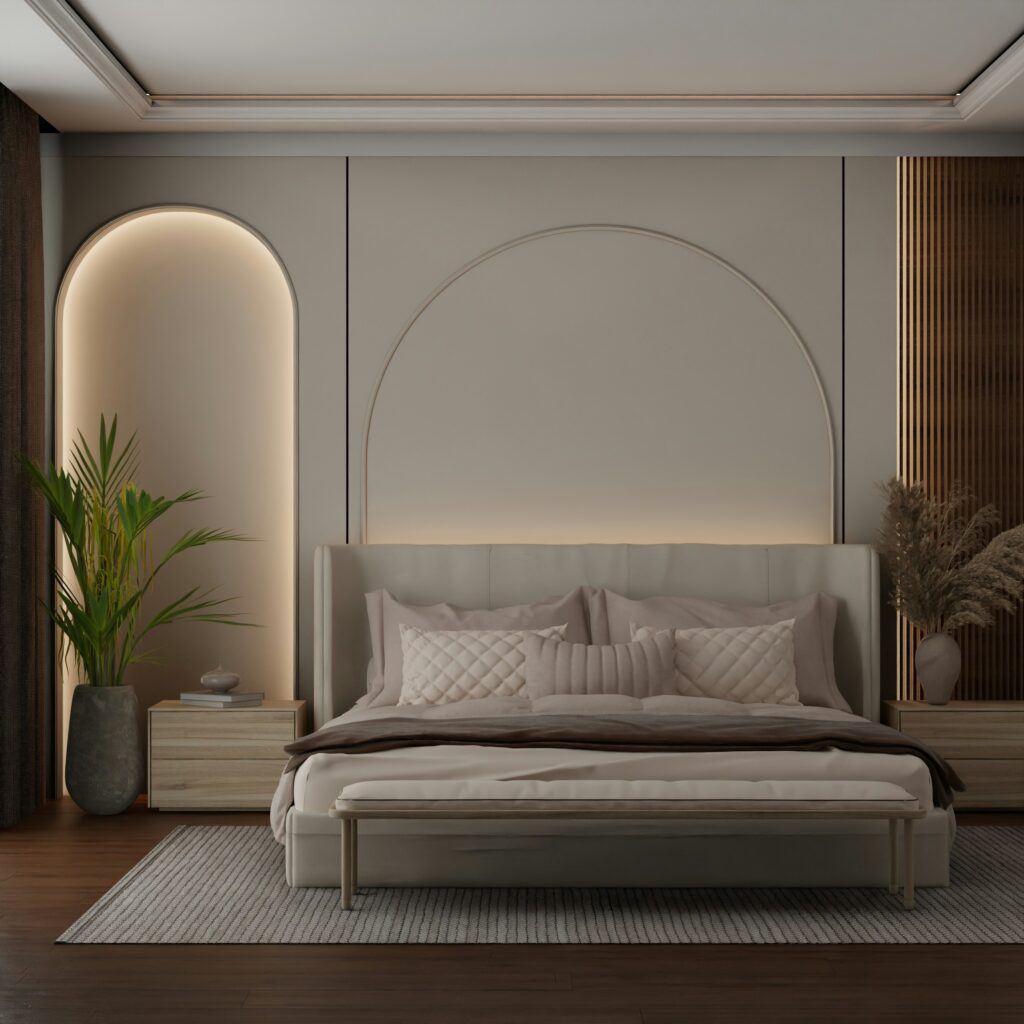
The deeper context is that luxury hotels are competing in a crowded environment where physical beauty alone is no longer enough. McKinsey reported that the luxury hotel segment was projected to grow faster than any other chain-scale hotel class through 2025, increasing the pressure on brands to differentiate themselves beyond rooms and rates. In that environment, operators have a strong incentive to invest in what guests remember emotionally: ease, rest, and individualized attention.
Hospitality research increasingly backs that strategy. The 2025 Frontiers paper on sonic choice architecture said guests do not necessarily calculate why a space feels better; they simply report greater comfort and satisfaction. A 2025 servicescape study in the Journal of Business Research found that combinations of visual ambiance, music, and scent can reduce rumination and improve perceptions of hospitality in waiting environments. While that study was conducted in a healthcare setting, its findings align with how hotels talk about multisensory calm: reduce friction, reduce cognitive load, and the guest experience improves.
Operators also appear to see these features as commercially useful, not just aesthetically pleasing. Travel industry commentary and brand materials increasingly describe scent, sound, and light as tools that shape dwell time, memory, and loyalty. Accor’s broader design language says it creates experiences that “play with the senses,” and Marriott’s current marketing emphasizes mindfulness and polished comfort. The inference, supported by those sources, is that luxury brands are trying to make guests feel cared for in ways that are repeatable and brand-specific, because that is harder for competitors to copy than buying similar furniture.
For travelers, that means the most relaxing hotel stays are often built from dozens of controlled variables that barely register in the moment. Better acoustic insulation, layered lighting instead of harsh overhead fixtures, blackout curtains, predictable room temperature, and staff who solve problems quickly can matter more than whether a nightstand is rare wood or a sofa is custom-made. The luxury industry’s own language increasingly supports that conclusion: what guests are buying is not only design, but relief from noise, glare, delay, and decision-making. As hotel companies continue refining that formula, the practical takeaway is straightforward: the feeling of luxury is often operational before it is decorative.