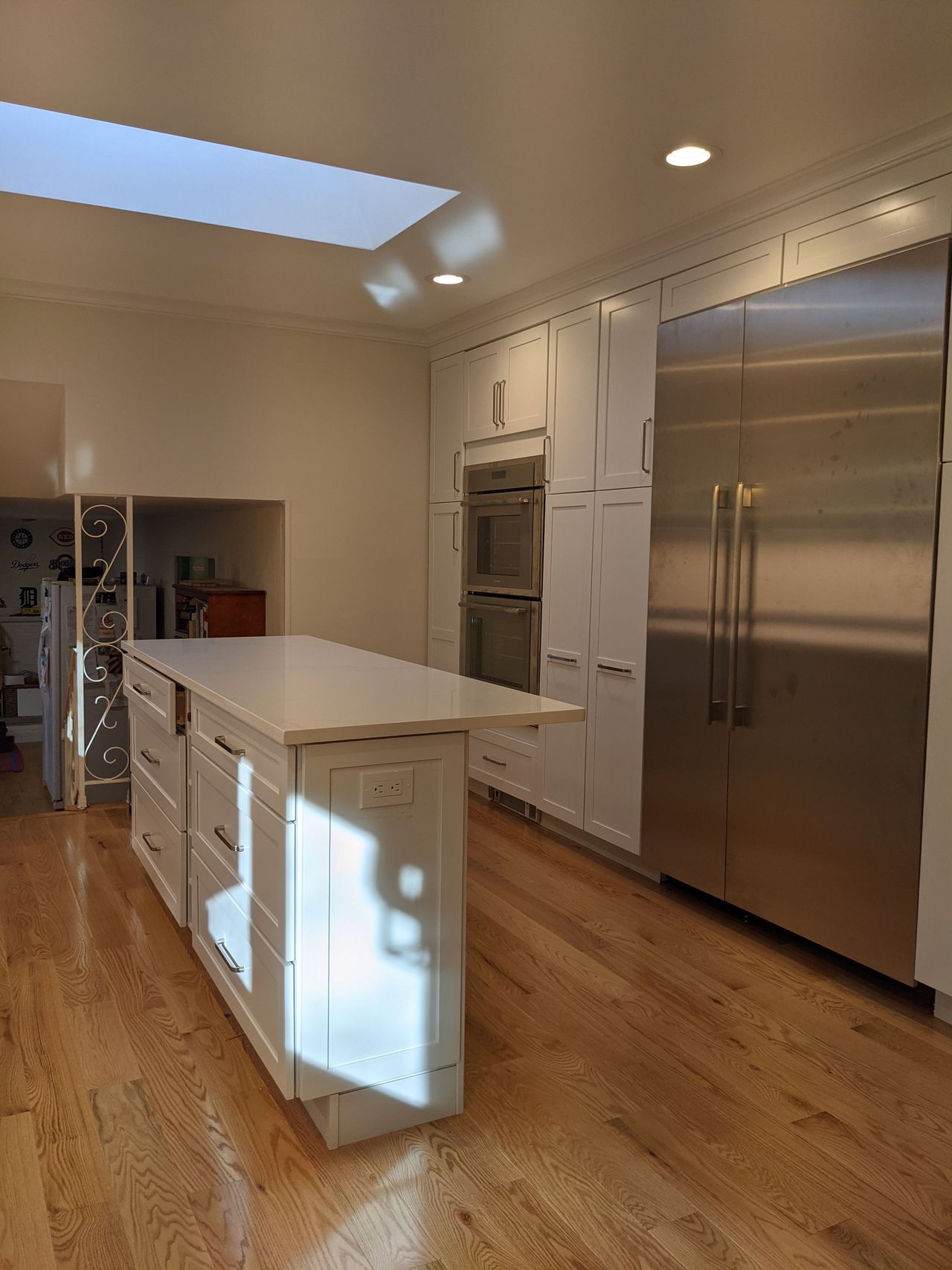
Home renovation activity in the United States held steady into 2026, according to Houzz Research, even as homeowners trimmed some future spending plans. Within that broader market, kitchens remain the room designers watch most closely because they continue to absorb large budgets and functional upgrades.
Houzz data shows kitchens remain a central remodeling focus, with bathrooms now matching them in overall popularity
Houzz reported on April 22, 2026, that more than half of homeowners, 54%, said they renovated in 2025, based on a survey of 20,358 users that included 10,176 renovating U.S. homeowners. The company said median renovation spending held at $20,000 year over year, while high-end spending at the 90th percentile rose to $150,000 in 2025 from $140,000 in 2024. That national backdrop helps explain why room-specific remodels remain a reliable part of the market rather than a discretionary niche. Houzz described its annual Houzz & Home Study as the largest published survey of residential remodeling, building and decorating activity.
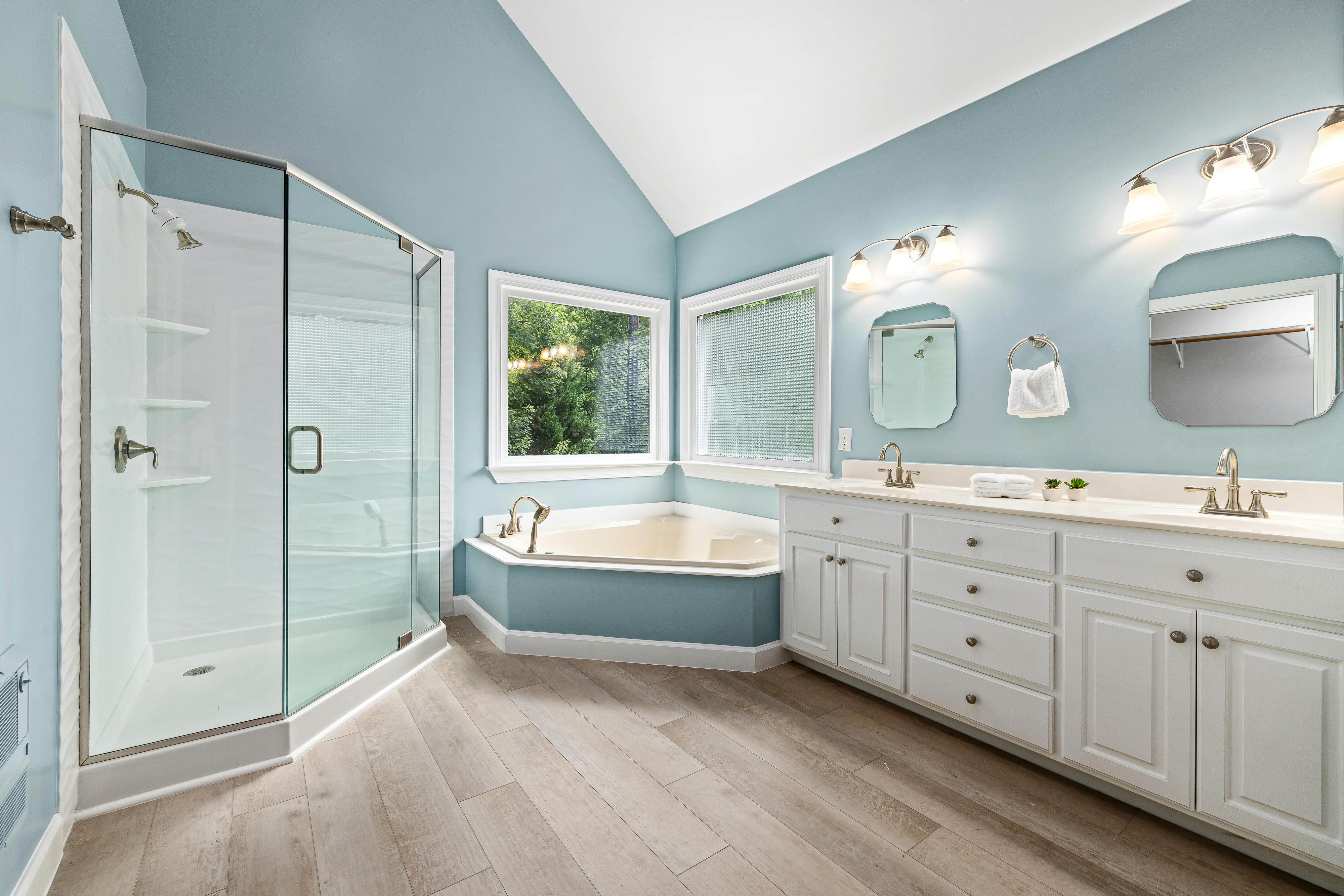
The same Houzz research shows the kitchen is still one of the defining rooms in renovation planning, even if it no longer stands alone. In the company’s 2025 U.S. Houzz & Home Renovation Trends report, Houzz said kitchen projects had historically been the most popular type of renovation project, but that bathrooms caught up in 2024, with 24% of homeowners upgrading each room. That is an important distinction for the current headline: Americans are still remodeling kitchens at very high rates, but the newest broad national data shows bathrooms have reached parity in overall share, rather than kitchens widening the gap.
A separate Houzz Kitchen Trends Study published January 13, 2026, adds detail on why kitchens still command attention from designers and contractors. That report surveyed 1,780 U.S. homeowners involved in recent or planned kitchen renovations and found that dissatisfaction with the old kitchen’s style was cited by 41% of renovating homeowners, while 38% said deterioration or dysfunction pushed them to remodel. Financial readiness was cited by 33%, and 25% said resale value played a role. Those figures point to a room that blends personal taste, daily use and property economics more directly than many other spaces in the home.
Design professionals are not surprised by that pattern because kitchen projects tend to combine infrastructure and aesthetics in one room. Houzz said 76% of homeowners incorporate built-in features during a kitchen renovation, with pantry cabinets leading at 47%, followed by beverage stations at 24%. That kind of spending is not limited to surface-level design changes. It often includes cabinetry, layout decisions, storage planning and appliance integration that make the kitchen one of the most complex rooms to renovate.
The trend is national, but the data does not identify one state leading the kitchen-remodel push
The available national data supports a broad U.S. story, not a state-by-state ranking. Houzz’s 2026 Houzz & Home Study covers homeowners across the country, but the company did not publish a comprehensive breakdown showing which state is remodeling kitchens more than any other. It also did not release a public list of the states contributing the largest share of kitchen projects in the topline findings. That means any claim that one state is clearly leading this trend would go beyond the published evidence.
What is confirmed is that the remodeling impulse is widespread and tied to the realities of existing American housing stock. Houzz said half of homeowners plan to undertake projects in 2026, only slightly below the 52% who planned projects in 2025. While planned median renovation spending fell to $15,000 for 2026 from $20,000 in 2025, the pipeline for work remains substantial. For local contractors, cabinet makers, kitchen designers and appliance dealers, that translates into continued demand even without a state-specific leaderboard.
The kitchen-specific spending numbers also show why local impacts can vary sharply by market. In the January 2026 Kitchen Trends Study, Houzz reported a median spend of $55,000 for major kitchen remodels and $20,000 for minor ones. For larger kitchens, the median spend on a major remodel reached $75,000, compared with $46,000 for a smaller kitchen. Those figures suggest that homeowners in higher-cost metro areas may be driving especially large contract values, but Houzz did not attribute those totals to specific cities or states in the published summary.
What residents can take from the data is that kitchen remodeling is not fading as a household priority, even in an environment of tighter budgeting. Houzz said 84% of homeowners still rely on savings to fund renovations, while 34% use credit cards, up five percentage points year over year. That financing mix matters locally because it signals that many projects are being shaped by available cash and staged decision-making, not only by rising home values or speculative resale plans.
Designers point to function, storage, aging homes and careful budgeting as the drivers behind kitchen work
The most direct reason kitchens remain such a common remodeling target is function. Houzz’s January 2026 Kitchen Trends Study found that the share of renovating homeowners citing kitchen deterioration or dysfunction rose to 38%, up three percentage points from the previous year. That put functional problems nearly on par with dissatisfaction over style, which stood at 41%. Designers who specialize in kitchens routinely see those two pressures overlap: outdated finishes may be the visible issue, but storage shortfalls, worn cabinetry and awkward layouts are often what move a project from wish list to contract.
Storage needs are especially prominent in the current cycle. Houzz said pantry cabinets were the most popular built-in kitchen feature, selected by 47% of homeowners, and that 76% of renovating homeowners added some type of built-in feature. Butler’s pantries and prep kitchens remained a smaller share of projects at 7%, but even there, the dominant uses were practical. Houzz reported that among upgraded or newly added butler’s pantries, 67% included storage for small appliances, 61% included a prep counter and 59% included enclosed cabinetry.
Broader industry conditions also help explain why this work continues. In its April 2026 Houzz & Home Study, Houzz said 40% of homeowners cited finally having the time to renovate, while 36% cited financial readiness. The same report found that 37% of homeowners exceeded their original budgets in 2025, with many choosing higher-end materials or expanding project scope mid-renovation. That suggests kitchen projects are often revised upward once construction begins, which aligns with the room’s mix of visible finishes and hidden systems.
For homeowners, the practical takeaway is straightforward. Kitchen remodeling remains a mainstream U.S. project category, but the newest broad Houzz data shows bathrooms now match kitchens in overall project share, rather than trailing them. Even so, kitchens continue to draw large budgets, extensive built-in storage upgrades and professional design attention because they sit at the intersection of daily function, resale considerations and aging-home maintenance. As of Houzz’s April 22, 2026 national report, renovation activity overall remained firm, indicating that kitchen work is still a durable part of the housing market rather than a passing design trend.