Social media platforms, builder model homes and design websites continue to shape what Americans save, buy and copy, while industry surveys show homeowners are still investing heavily in kitchens, baths and living spaces. Against that backdrop, eight decorating trends stand out for a recurring pattern: they read as clean, stylish or upscale in photos, but many create maintenance, storage or comfort problems once a home is used every day.
Open shelving, all-white rooms and oversized statement pieces remain highly visible
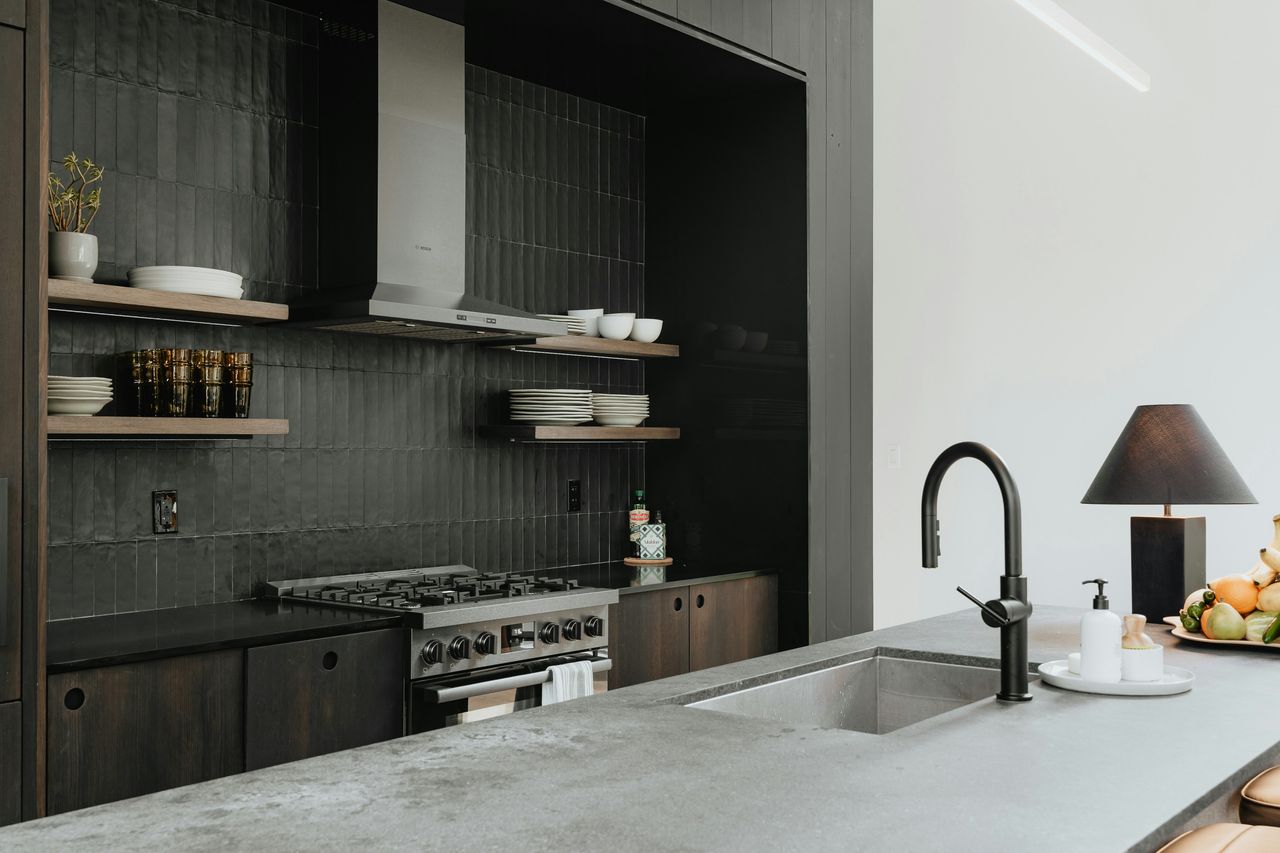
Houzz’s 2025 U.S. Kitchen Trends Study, based on a survey of 1,620 U.S. homeowners, found that white remains the top choice for upgraded kitchen countertops, and related Houzz coverage showed only 14% of homeowners adding storage to kitchen islands chose open shelving instead of more enclosed options. That gap matters because open shelves continue to perform well visually in staged kitchens, where a small number of matching dishes and styled objects can make the room look larger and lighter. In day-to-day use, the same setup often means more dust, more visual clutter and less room to hide the packaging, appliances and mismatched basics that most households actually use.
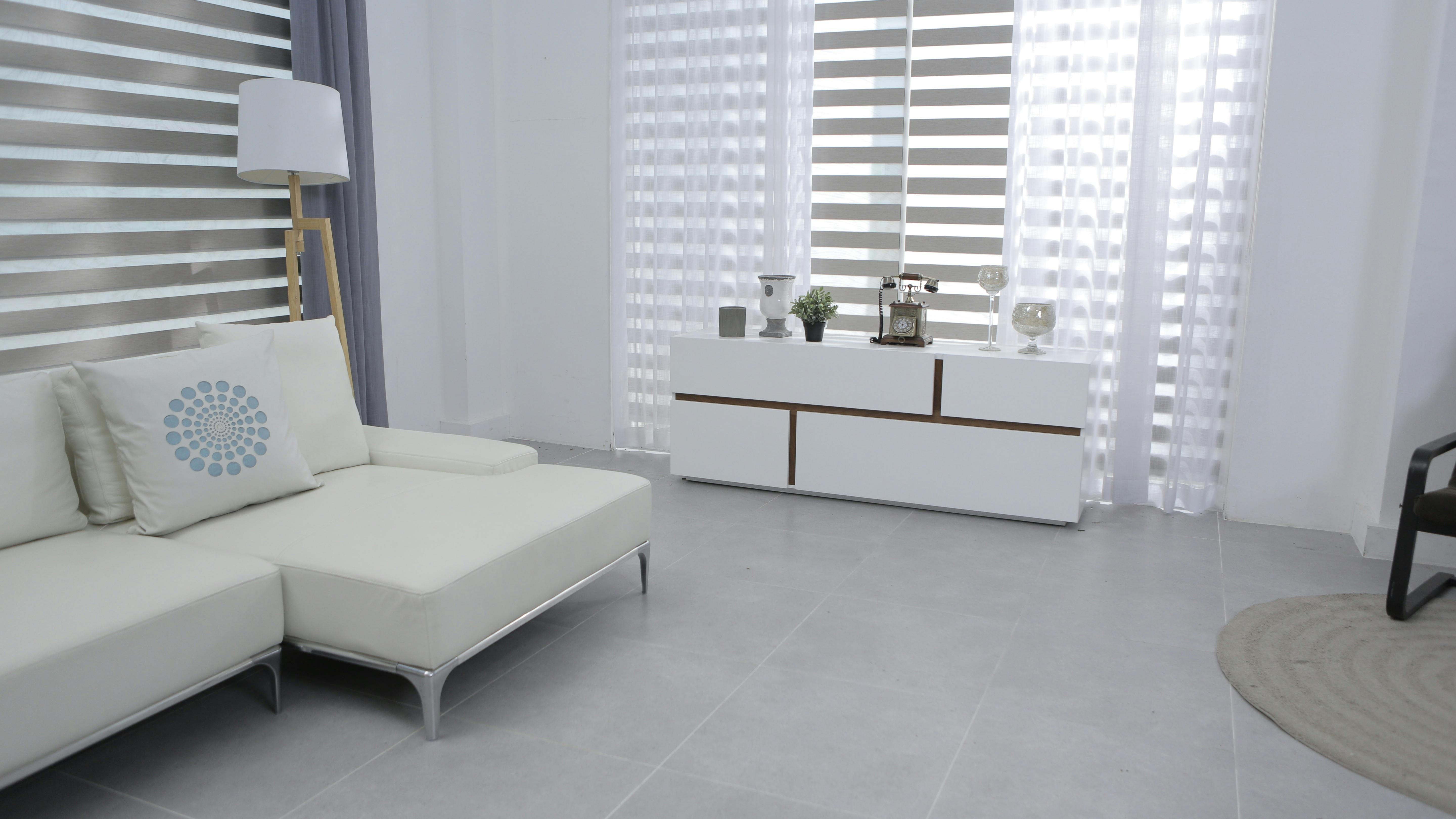
The all-white kitchen and all-white living room follow a similar pattern. Architectural Digest reported in its 2025 trend survey that designers are increasingly moving away from white-heavy interiors that can feel sterile over time, and Apartment Therapy separately identified the all-white kitchen as one of the minimalist looks fading from favor in 2025. The issue is not that white finishes are unusable. It is that bright white walls, white upholstery and white counters often photograph as calm and expansive while requiring frequent cleaning and offering less flexibility for homes with pets, children or high traffic.
Large statement furniture also creates a mismatch between image and lived experience. Curved sofas, extra-deep sectionals and sculptural accent chairs can anchor a photo shoot because they fill space and create a focal point. But in smaller apartments and average-size suburban living rooms, oversized pieces can narrow walkways, reduce flexible seating layouts and leave less room for storage furniture that households may need more. Designers cited by Homes & Gardens in 2026 said living rooms are shifting away from arrangements designed mainly for visual impact and back toward layouts that support conversation and everyday use, reflecting a broader move toward comfort over staging.
A related problem appears with furniture chosen more for texture than durability. Bouclé remains recognizable as a trend fabric, but recent designer commentary in Livingetc described it as a material that now depends heavily on how and where it is used. In practice, highly textured white or cream upholstery can snag, trap lint and show wear quickly in busy homes, even when it still looks soft and expensive in listing photos or social posts.
Barn doors, vessel sinks and decorative storage choices can complicate basic routines

Barn doors remain popular in photos because they add contrast, visible hardware and a strong architectural feature, especially in modern farmhouse and renovation content. The practical drawback is straightforward: many barn door installations do not seal as fully as hinged doors, which can reduce privacy and sound control in bedrooms, bathrooms and home offices. That makes them a frequent example of a feature that reads as custom in a still image but can frustrate residents who are using the room for work calls, guests or daily family routines.
Vessel sinks create a similar split between appearance and function. Bathroom trend roundups from multiple design publications in 2026, including Weather.com’s home and garden coverage and Homedit, identified vessel sinks as a dated or declining feature as designers return to more integrated basins. The reason is less about style cycles alone and more about maintenance. Bowl-style sinks sitting above the counter can create more splash around the base, leave more edges to wipe down and raise the sink height in ways that are not comfortable for every user.
Decorative storage is another category that often performs better in photos than in real rooms. Open bathroom shelves, ladder blankets, exposed clothing racks and neatly arranged countertop canisters all work well in curated imagery because the contents are limited and coordinated. Houzz’s recent reporting on design trends and homeowner preferences, however, continues to show strong demand for storage that hides everyday items, especially in kitchens and baths where utility drives renovation decisions. In lived-in homes, decorative storage systems can quickly become visible storage problems once backup supplies, medicine, cleaning products and seasonal overflow enter the picture.
The same tension applies to matching furniture sets and heavily styled surfaces. Homes & Gardens reported that designers in 2026 are moving away from overly matched rooms, and Apartment Therapy’s designer survey found stronger interest in personality-driven spaces rather than rigidly coordinated ones. A room built around exact visual symmetry may look finished in one angle, but it can leave homeowners with fewer opportunities to add practical pieces over time. That becomes especially noticeable in apartments, where every table, cabinet and wall hook often has to earn its place through daily use.
These trends are not failures in every house. They become frustrating when the design brief is driven more by listing-photo logic than by the routines of cooking, bathing, working and storing things in the space every day.
Designers and homeowner data point to a broader shift toward durability, warmth and concealed function
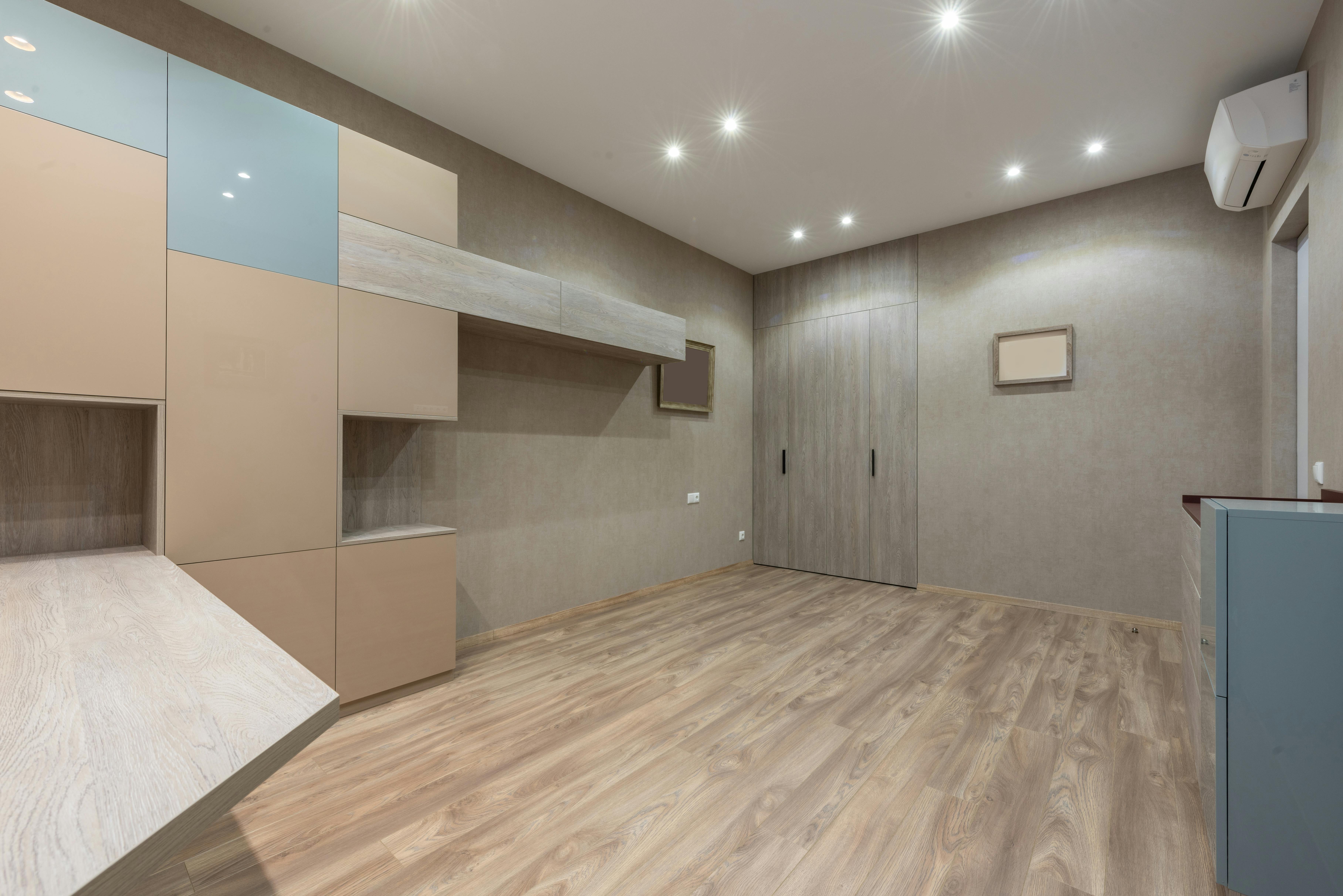
The larger context for these frustrations is visible across recent industry reporting. Houzz’s 2025 kitchen findings show homeowners are still renovating at scale, but they are making choices tied closely to storage, workflow and longevity rather than strictly to social-media aesthetics. Forbes’ coverage of the Houzz report noted continuing demand for practical island storage, while Houzz’s own trend material showed interest in features such as drawers, closed cabinetry and additions that create more usable space. Those are signs that many consumers are recalibrating after years of trend cycles built around photogenic minimalism.
Design media are documenting the same reset from the professional side. Architectural Digest said designers are moving toward rooms with more warmth and individuality, while Homes & Gardens described a return to intentional furniture groupings and mood-based spaces rather than layouts organized for a single dramatic focal point. In plain terms, that means a home is increasingly being evaluated by how it functions over a full week of living, not by how it appears in a single wide-angle shot. Features that amplify noise, expose clutter or require constant upkeep become harder to justify under that standard.
That shift also reflects economic reality. Furniture, cabinetry, tile and labor costs remain significant household expenses, so homeowners are less likely to tolerate features that have to be modified or replaced quickly. A white bouclé bench, a decorative open pantry wall or a vessel sink may still work in a low-use guest space or a carefully maintained show home. In a primary residence, especially one shared by children, roommates, pets or frequent visitors, the priorities often move toward stain resistance, hidden storage, easier cleaning and adaptable layouts.
For residents, the practical takeaway is not that these eight trends should never be used. It is that they tend to work best when limited to low-traffic zones, balanced with closed storage, or chosen in more durable materials and proportions. Current design coverage suggests the market is already moving in that direction, with more emphasis on warmth, utility and rooms that support everyday life rather than just the camera angle.