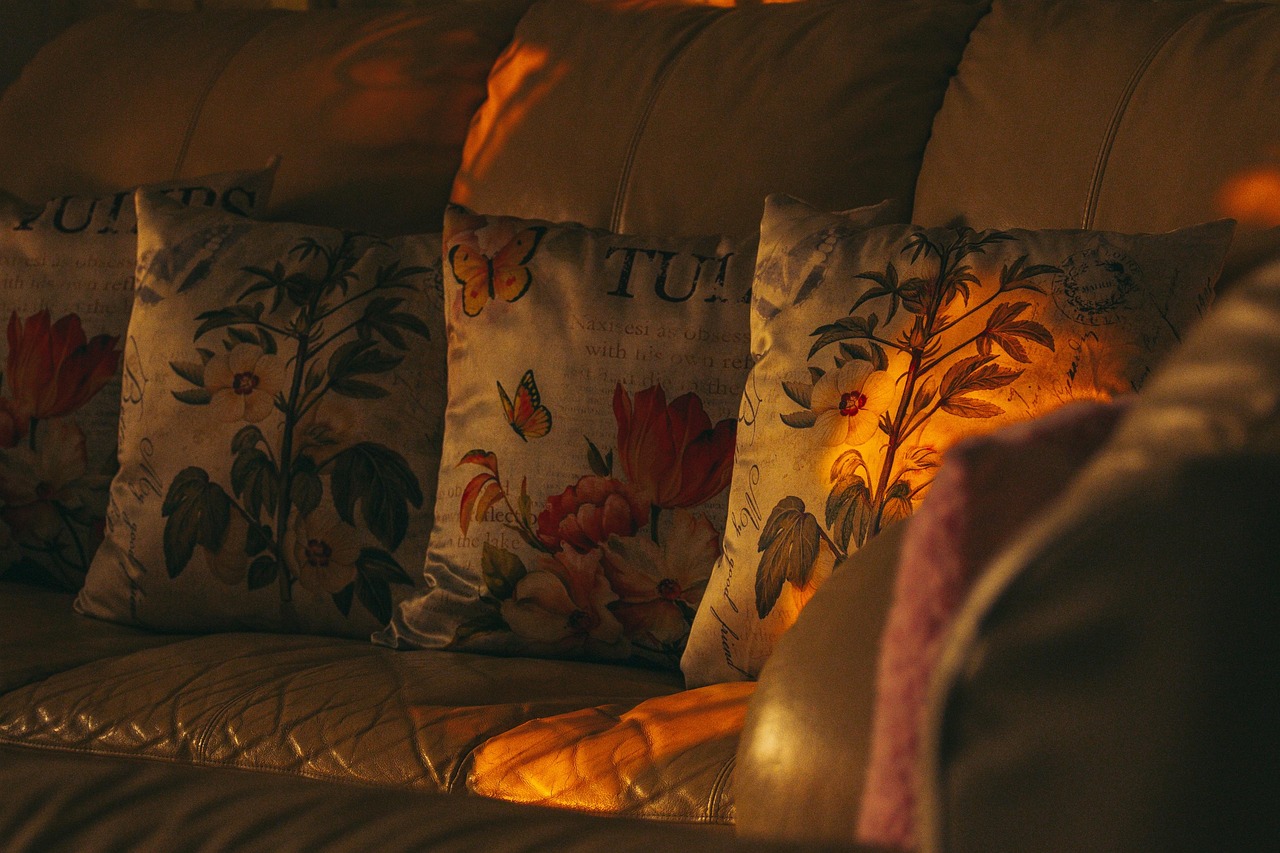
Perfectly staged interiors defined much of the social-media era, but fresh 2025 reports show the home design market is shifting toward rooms that feel warmer, more layered and more personal. Across the U.S., designers and housing platforms are now documenting a return to spaces that look used, collected and tailored to daily life rather than arranged for photos.
Houzz, Zillow and design outlets all documented the same shift in 2025
The clearest recent marker came from Houzz Research on September 9, 2025, when the company published its 2025 U.S. Houzz Fall Design Trends Report after interviewing nearly 50 home design professionals. Houzz said layered textures, handcrafted details and bold personal choices were gaining traction, and it described the result in direct terms: inviting spaces that feel rich, lived-in and full of personality. That matters because Houzz is not describing a single decorator’s taste. It is summarizing what a national network of working professionals said they were seeing in client projects.
That finding lines up with Zillow’s November 11, 2024 home trends report, which set the tone for 2025 by saying buyers were blending new technology with old-world style. Zillow said words and features tied to comfort were gaining ground, including a 35% year-over-year increase in for-sale listings mentioning the word “cozy.” The company also said buyers were moving away from oversized great rooms and showing more interest in smaller, color-saturated rooms with defined uses, including dens, dining rooms and home libraries. Those are not just styling choices. They suggest buyers are putting more value on rooms that support actual routines than on large, visually sparse spaces.
Design media reported the same move throughout 2025. Architectural Digest wrote on June 23, 2025 that living rooms were becoming warmer and more character-driven, with designers citing demand for dimension, darker palettes and less sterile schemes. In a broader 2025 trends report, the magazine said designers were seeing homeowners move away from spaces that looked polished but impersonal, and toward interiors that looked and felt lived-in. Apartment Therapy’s annual designer survey, based on responses from 154 interior designers, also said “layered” would be one of the defining home design words of 2025, with old and new furnishings mixed together to tell a story. Taken together, those reports show the shift is no longer anecdotal. Multiple national brands that track housing and interiors are describing the same turn away from perfection-first rooms.
The impact is national, but it shows up most clearly in everyday residential choices
This is not a trend limited to luxury showhouses or designer-led renovations in New York and Los Angeles. The housing and design data point to a broader U.S. shift in how ordinary homeowners and buyers want their homes to function and feel. Zillow’s 2025 search and listing data suggested Americans were prioritizing comfort and lifestyle over luxury, while Houzz’s trend reporting showed homeowners making room for texture, personality and handcrafted materials. Those preferences affect what people buy at retail, how they remodel older homes and what kinds of finishes they choose when budgets are limited.
One sign of that broader reach is the way the trend shows up in practical features, not just statement pieces. Zillow said buyers were searching for cozy spaces, vintage fixtures and home libraries, all of which reflect use and identity rather than a showroom look. Houzz said hidden appliances and integrated storage were also growing in popularity, which may sound like the opposite of a layered room, but in practice it means homeowners are trying to manage clutter while still keeping warmth and individuality in view. The current version of “lived in” is not simply messier. It is more edited than that, with comfort and personality prioritized over strict visual uniformity.
The national scope is also visible in what designers are saying about materials. Architectural Digest reported that darker woods, textured plaster, warm stone, wallpaper and drapery were all part of the 2025 turn toward warmth and comfort. Those materials help rooms look settled over time, especially when paired with antiques, vintage finds or inherited furniture. Apartment Therapy’s survey similarly pointed to a “collected” look, where homes feel assembled gradually rather than purchased all at once from one retailer or installed to match a single image.
What is still not fully public is a state-by-state breakdown showing exactly where the shift is strongest. Zillow has highlighted that local preferences shape search behavior, but a comprehensive public list matching every state to “lived-in” design choices is limited. That means the broad direction is well supported, while the exact regional spread is less clearly documented. Even so, the available national data suggests this is not a niche style cycle. It is a mainstream consumer preference moving into listing language, remodeling plans and professional design forecasts.
The main driver is a backlash against sterile minimalism, combined with comfort and identity
The central reason designers are bringing back lived-in rooms is straightforward: clients are asking for spaces with more warmth, comfort and personality after years of pared-down interiors. Architectural Digest’s 2025 reporting said many designers viewed the previous wave of clean, modern rooms as too empty of character, and several described a growing desire for homes that feel human-scaled and emotionally resonant. Houzz connected that same change to richer textures, handcrafted surfaces and bold personal choices, while Zillow tied it to a broader move away from square footage and status features toward meaning and daily livability at home.
Economic and behavioral factors appear to be part of the story as well. Zillow said affordability and sustainability were helping drive interest in smaller, cozier rooms instead of sprawling open plans. When households expect more from every room, visual perfection can become less important than function, comfort and flexibility. A den that gets used, a dining room that returns to regular use, or a library corner built from existing furniture all fit the current mood better than a rarely touched “formal” space arranged for photos. That does not mean style is disappearing. It means style is being measured more by usefulness and identity than by symmetry and restraint.
There is also a clear nostalgia component. Zillow’s 2025 trends report said old-world charm, floral patterns, tapestries, antique furnishings and vintage details were all returning. Pinterest’s 2025 midyear trend reporting similarly said younger users were embracing thrifted home décor, farmhouse cottage interiors and earthy natural materials. Those choices support the same visual outcome: rooms that look accumulated over time, with texture and evidence of life built into the design.
For residents, shoppers and renters, the takeaway is practical. Expect to keep seeing more rooms with darker woods, layered textiles, mixed-era furniture, wallpaper, drapery and secondhand accents in listings, magazines and store displays. The available 2025 data does not suggest a full rejection of clean lines or modern storage, but it does show that “perfectly styled” is losing ground to spaces that feel personal and actually used. As Houzz and Zillow both indicated in their recent reporting, the market is rewarding homes that balance order with warmth, and that shift is likely to keep shaping how American rooms are furnished and described.