National housing costs remain elevated, but the way a home feels to shoppers is not determined by price alone. Recent reports from Zillow, Houzz and Realtor.com point to a simpler explanation: a small set of visible design signals can make ordinary homes read as expensive, even when the underlying spend is limited.
New housing and design data shows which details change price perception

The clearest recent benchmark came from Zillow Research in a report published in spring 2026, when the company said it analyzed more than 2 million homes listed for sale in 2025 and tracked more than 600 phrases in listing descriptions. Zillow found that certain finishes and materials, including quartzite and other highly specific design terms, were associated with a sales-price premium compared with similar homes that lacked those features. The company also emphasized that a “premium” in this context means a higher sale price relative to comparable homes, not proof that the home itself cost dramatically more to create.
A separate Houzz Emerging Summer Trends Report, published May 20, 2025, offered a window into what homeowners increasingly search for when they want that elevated look. Houzz reported that searches for “copper pendant lighting” rose 3.5 times year over year, while “gold bathroom vanity lights” nearly doubled and “brushed gold bathroom faucets” increased by nearly 1.5 times. Searches for “living rooms with light hardwood floors” rose fivefold, and “woven wood shades” increased by nearly 1.5 times, suggesting that finishes, tone and texture are central to how consumers read value inside a home.
Realtor.com’s 2025 home-trends research and consumer-facing improvement coverage point in the same direction. In one 2025 report, Realtor.com said outdoor low-voltage lighting mentions in listings were up 91% year over year. In separate 2025 advice coverage, the outlet cited agents and home professionals who said updated lighting, fresh grout, longer curtains and simple hardware swaps can make kitchens and bathrooms feel newer and more luxurious without requiring a full renovation.
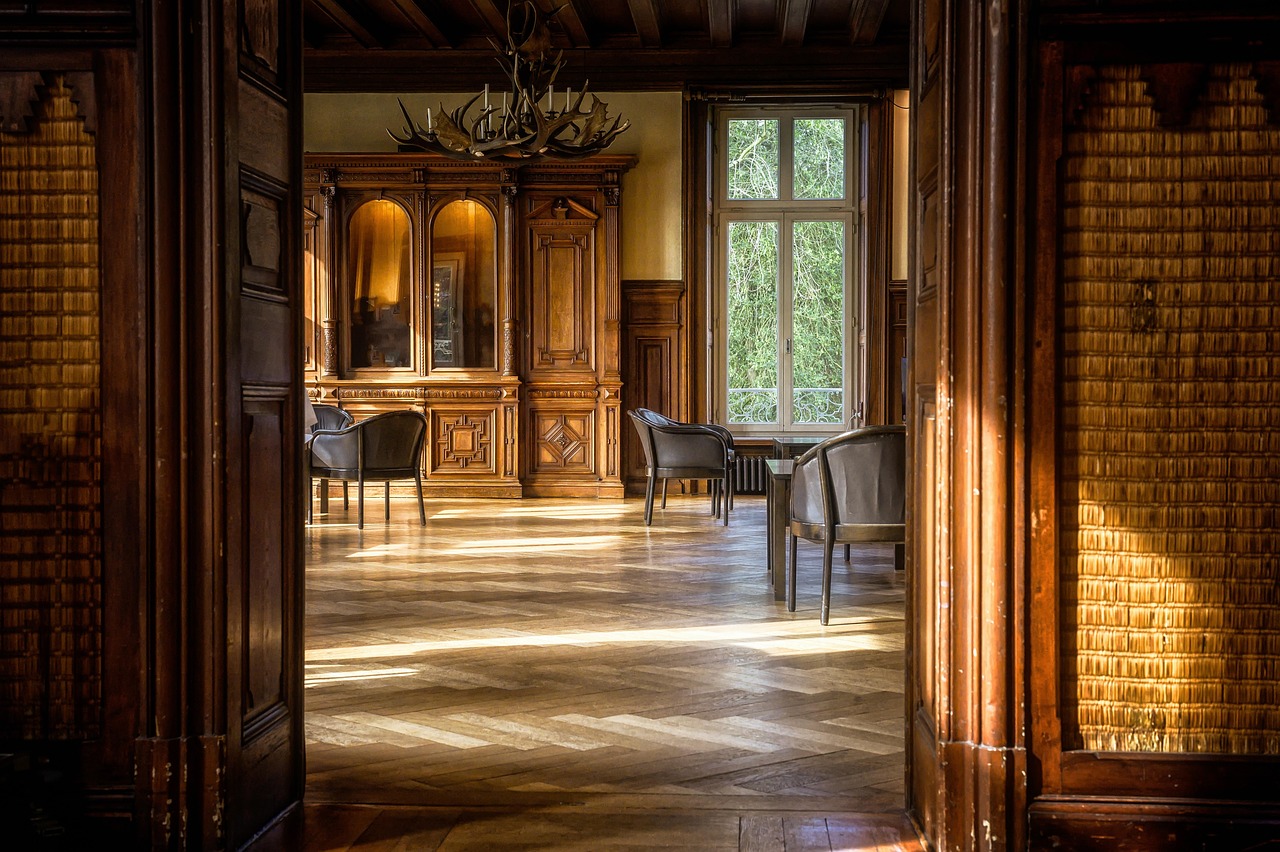
Taken together, those reports do not identify one brand, builder or region as the cause. They instead point to a pattern: homes often feel expensive because they broadcast consistency. When lighting matches the scale of a room, when window treatments reach the floor, and when finishes look intentional rather than improvised, buyers and guests tend to read the entire property as higher-end, even if the actual spending was restrained.
The effect is especially visible in everyday rooms, not just luxury listings

The practical impact shows up most clearly in the kinds of spaces that buyers and renters see first: living rooms, kitchens, bathrooms and entry areas. Realtor.com’s 2022 reporting, which continues to circulate among staging and resale professionals, singled out floor-length curtains, pendant lights and dimmer switches as relatively low-cost moves that make a room feel warmer and more tailored. That advice has stayed relevant because it aligns with what newer market data is showing: consumers notice lighting quality, visual height and architectural definition before they know the actual remodel budget.
Houzz’s 2025 and 2026 trend reporting reinforces that point by showing where homeowner attention is going. The company said rising searches included layered textures, integrated lighting, concealed storage and warm metal accents. Those are not necessarily major structural upgrades. In many cases, they are presentation upgrades that reduce visual clutter and create a more unified appearance. Houzz also reported growing interest in color drenching, a technique that uses one hue across walls, trim and sometimes furnishings, which design professionals say can make a room feel more deliberate and cohesive.
Architectural Digest’s 2025 design coverage adds another piece of context. The magazine highlighted designer interest in circadian lighting systems, layered lighting and scale, and separately reported that curtains can make rooms feel softer and more expansive. In a gallery on scale and proportion, the publication described how designers use oversized or properly scaled lighting to make large rooms feel more intimate and balanced. The underlying idea is not that consumers consciously tally every fixture or fabric choice. It is that the room sends a signal of order and fit.
What remains unconfirmed is a universal dollar amount for the effect. No public national dataset says that one light fixture or one paint color adds a fixed number of dollars in every market. The available research is stronger on association than guarantee. Still, multiple housing and design sources agree on the same visible elements: clean sightlines, better lighting, consistent finishes, reduced clutter, and materials that look intentional tend to make modest homes feel more expensive than their budgets suggest.
The reason is context, not luxury spending, and that matters for buyers and residents
The broader explanation is that people judge homes comparatively and quickly. The National Association of Home Builders said in a 2025 study on what drives single-family home values that a home’s value depends not only on physical features but also on location and other contextual factors. In consumer terms, that same logic applies indoors. A buyer or renter is rarely measuring absolute cost room by room. They are assessing whether the home looks coherent, updated and cared for compared with other homes they have seen at similar price points.
That helps explain why relatively inexpensive changes can have outsized influence on perception. Redfin wrote in June 2025 that painting, new light fixtures, hardware swaps and decluttering are among the most cost-effective improvements available to homeowners. Realtor.com similarly reported in May 2025 that refreshed lighting can make rooms feel bigger and more luxurious, and that small finish upgrades can make bathrooms and kitchens seem newly redone. None of those outlets said low-cost updates transform every property into a luxury home. They said these improvements change first impressions, which is often enough to shift how a home is experienced.
There is also a market reason this matters now. Zillow’s 2025 market reporting showed listings lingering longer, giving shoppers more time to compare finishes and condition. In a slower, more selective market, presentation details carry more weight because buyers are not just deciding whether they can afford a house. They are deciding whether its condition justifies the price. A home that feels complete and visually calm can seem better valued than a similarly priced home with mismatched fixtures, harsh lighting or visible clutter.
For residents, the takeaway is practical rather than aspirational. The available data suggests that homes tend to feel expensive when the room’s scale is right, the lighting is layered, storage is concealed where possible, and finishes are consistent from one surface to the next. That does not require a luxury budget, and no source says it does. What the current housing and design research does show is that perception is heavily shaped by a handful of details people notice immediately and remember long after they forget the receipt total.