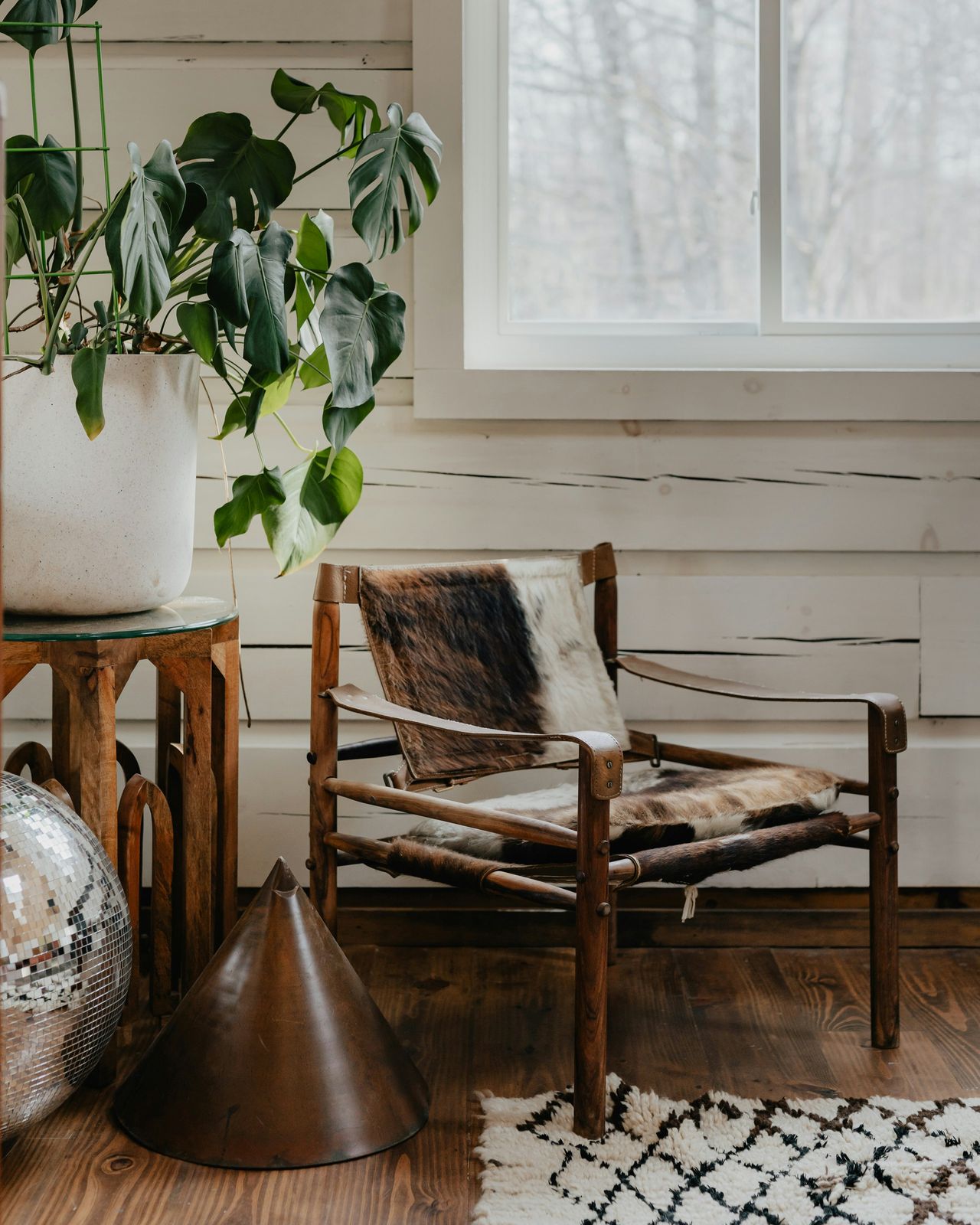
Across the U.S. home market, 2026 design coverage has shown a clear shift away from rigid, showroom-style interiors and toward rooms that feel more layered and personal. Within that broader trend, designers repeatedly told home publications this year that full matching furniture sets are one of the fastest ways to make an entire home feel outdated.
Designers are increasingly singling out matching furniture sets as the dated choice

The specific furniture choice designers are calling out is the full matching set: buying a bed, nightstands, dresser, and chest from one bedroom line, or a sofa, loveseat, and chair package designed to match exactly. In multiple 2026 design reports, including coverage from Homes & Gardens and Apartment Therapy, designers said that “matchy-matchy” arrangements can make rooms feel sterile, generic, and behind current tastes. Homes & Gardens reported in early 2026 that perfectly coordinated furniture is starting to feel “more showroom than sanctuary,” while Apartment Therapy wrote that full matching living room sets can read as overly staged.
That view is not limited to one room. In bedroom trend coverage published in 2026, designers told Homes & Gardens that replacing fully coordinated sets with mixed wood tones, varied silhouettes, and a blend of old and new pieces creates more depth and individuality. In a separate 2026 feature, the same publication reported that designers now see matching sets of “anything,” including bedroom and dining furniture, as a category that can quickly date a home. The repeated theme across those reports is consistency of style without exact duplication.
The scale of the shift is visible in how often it appears across this year’s trend coverage. Homes & Gardens has referenced the problem in several separate 2026 pieces on dated rooms, boring interiors, and furniture trends, while Apartment Therapy included matching sets in its lists of outdated living room and home trends. Together, those reports suggest the issue is no longer being treated as a niche designer complaint, but as a mainstream styling change reflected across consumer-facing home media in 2026.
The effect shows up room by room, from bedrooms to living rooms across U.S. homes

For homeowners, renters, and apartment dwellers in the U.S., the practical impact is less about geography than about how common matching packages remain in mass-market furniture shopping. Big-box and online retailers still routinely sell coordinated collections meant to simplify decorating, especially for bedrooms and first-apartment living rooms. Designers cited by Apartment Therapy and Homes & Gardens said those packages can create a polished look quickly, but they also tend to remove the contrast and variation that make a home feel current.
In bedrooms, the concern is often visual uniformity. Designers told Homes & Gardens in a 2026 bedroom trend report that when every major piece shares the same finish, hardware, scale, and detailing, the room can feel as if it was bought all at once rather than assembled over time. That “single-purchase” look is what many designers now associate with dated interiors. By contrast, mixing a wood bed with different nightstands, or pairing a traditional dresser with updated lighting and textiles, is increasingly presented as the fresher approach.
In living rooms, the same logic applies to packaged sofa sets. Apartment Therapy reported in late 2025 and still relevant into 2026 that buying a matching sofa, loveseat, and chair set can make a room look generic. Homes & Gardens echoed that framing in 2026 coverage that urged readers to move on from “modern, matching rooms.” What remains less clear is how quickly retailers will adapt. Designers and editors have documented the taste shift, but there is no single industrywide count showing how many furniture sellers have reduced their emphasis on matching collections.
The broader reason is a design move toward personality, patina, and long-term flexibility
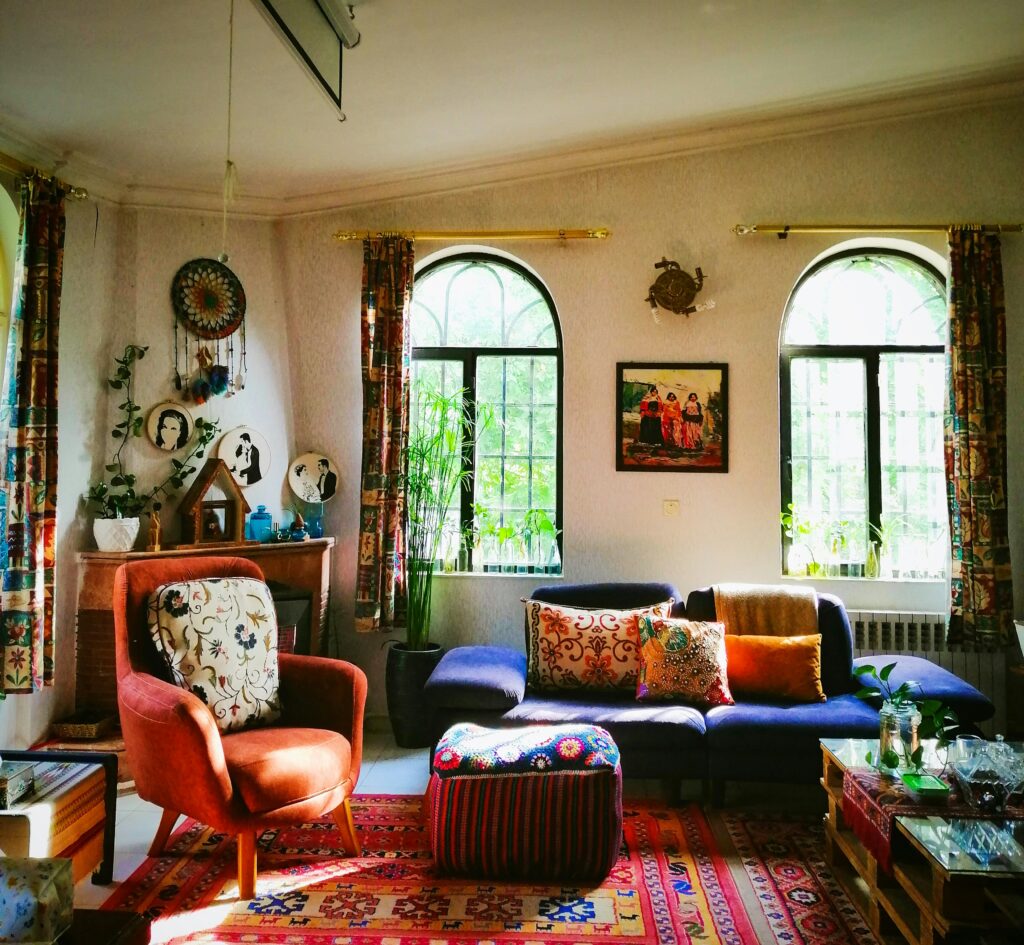
The cause, according to designers interviewed in 2026, is a broader rejection of interiors that feel too trend-driven, too symmetrical, or too obviously purchased as a package. Homes & Gardens reported this year that homes start to look dated when they lean too heavily into a single moment or formula. That includes exact-match furniture because it can flatten a room’s character and make it feel more like a showroom display than a lived-in space. Designers quoted there said current preferences favor warmth, texture, and collected details instead.
There is also a practical and economic dimension to the trend. In 2026 living room coverage, Homes & Gardens linked the move away from matching sets to a more sustainable way of decorating, with designers recommending inherited pieces, thrifted finds, and bespoke additions layered together over time. That approach can make updating a room more flexible because homeowners do not need to replace an entire suite at once. Instead, one nightstand, accent chair, or sideboard can be swapped out without forcing a complete reset.
For customers and residents, the takeaway is straightforward: a cohesive home does not now have to mean identical furniture. Designers are still advocating continuity in proportion, color palette, and overall mood, but not one-to-one matching across every major piece. Based on 2026 design coverage, people shopping this year should expect to see continued emphasis on mixed materials, vintage accents, and furniture groupings that coordinate without duplicating. The dominant industry message is that homes are moving toward a more individualized look, and full matching sets increasingly sit on the opposite side of that shift.