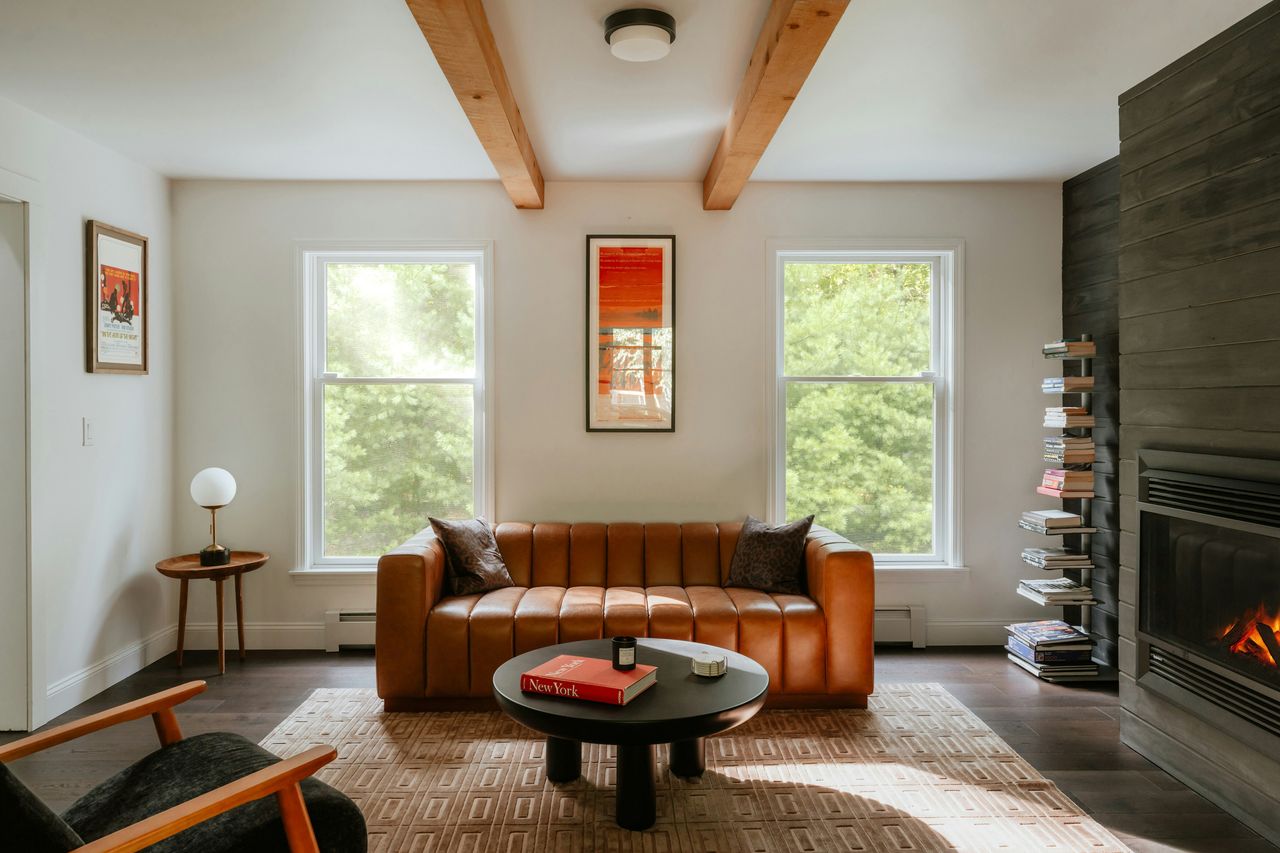
National housing and design data released in late 2025 shows a measurable shift away from the restrained, all-white minimalism that shaped much of the last decade. The change is showing up in home listings, renovation surveys and trend reports that point to a broader move toward cozy, layered and more personal interiors across the United States.
Zillow, Houzz and Pinterest all documented a move toward warmer, more personal interiors

The clearest national data point came from Zillow on October 15, 2025, when the company released its 2026 Home Trends Report based on millions of for-sale listings. Zillow said mentions of “color drenching” in listings rose 149%, while cozy reading nooks, spa-style spaces and other comfort-focused features gained visibility in the housing market. The company described the overall direction as bolder, more whimsical and more resilient, a notable change from the pared-back aesthetic that dominated many listings in earlier years.
Houzz reported a similar movement from the renovation and professional design side of the market. In its 2025 U.S. Houzz Fall Design Trends Report, published September 9, 2025, Houzz said nearly 50 home design professionals identified layered textures, bold color, wallpaper, handcrafted finishes and more individualized rooms as leading trends. The report said texture is becoming “the new neutral,” with designers using materials such as boucle, grasscloth, plaster and zellige tile to add warmth and depth rather than relying on stark minimal surfaces.
Additional consumer-facing evidence came from Pinterest, which said in its 2025 trend reporting that users were leaning toward bold self-expression, maximalist details and one-of-a-kind pieces with personal meaning. In its annual Pinterest Predicts report for 2025, the platform said people were moving toward statement-making interiors rather than trying to blend in. Its fall and midyear reports also tied home design interest to cozy layering, nostalgic scents, rustic retreats and farmhouse-cottage interiors, reinforcing that the shift is not limited to one style label but reflects a wider turn toward comfort and personality.
Taken together, the reports do not suggest that minimalism has disappeared. What they do show is that large housing and design platforms are tracking a broad move toward warmer palettes, tactile finishes, reading corners, vintage references and lived-in rooms that feel intentionally personal rather than visually spare.
The trend is national, but its local expression varies by housing stock, budgets and renovation timelines

What is confirmed so far is national interest, not a single uniform look in every state or metro area. Zillow’s findings are based on listing language appearing more often in homes for sale, while Houzz’s renovation data reflects the priorities of homeowners and design professionals already engaged in remodeling work. That means the “cozy home” shift is visible across the country, but the specific form it takes can differ depending on housing age, climate, room size and what owners can realistically afford to change.
In older Northeast and Midwest housing markets, the trend may show up through built-in reading nooks, wallpaper, darker paint, vintage lighting and restored wood details. In Sun Belt markets with newer homes and open floor plans, the same move away from minimalism may appear through color-drenched rooms, curved furniture, layered textiles and hidden storage that keeps large spaces functional without looking severe. Houzz’s 2025 trends coverage repeatedly highlighted warm earth tones, natural woven materials, curved forms and handcrafted finishes, suggesting that comfort is being interpreted through both old-house character and newer-construction customization.
What remains unconfirmed is the exact state-by-state distribution of the trend. Zillow has not released a 50-state breakdown of cozy-feature adoption in public summaries of its 2026 report, and Houzz’s trend reports do not provide a comprehensive ranking of which states are moving fastest away from minimalism. Public reporting also does not establish that all homeowners are abandoning clean-lined design altogether. Instead, the available evidence suggests a blending of influences, with some households keeping uncluttered layouts while adding softer colors, richer textures and more personalized décor.
For residents, that means the shift may be more visible in real estate listings, staged homes, furniture showrooms and renovation plans than in a single nationwide makeover. The broad direction is documented, but the local details still depend on what kinds of homes are being built, sold and updated in each market.
Rising personalization, comfort spending and post-pandemic home habits are driving the change
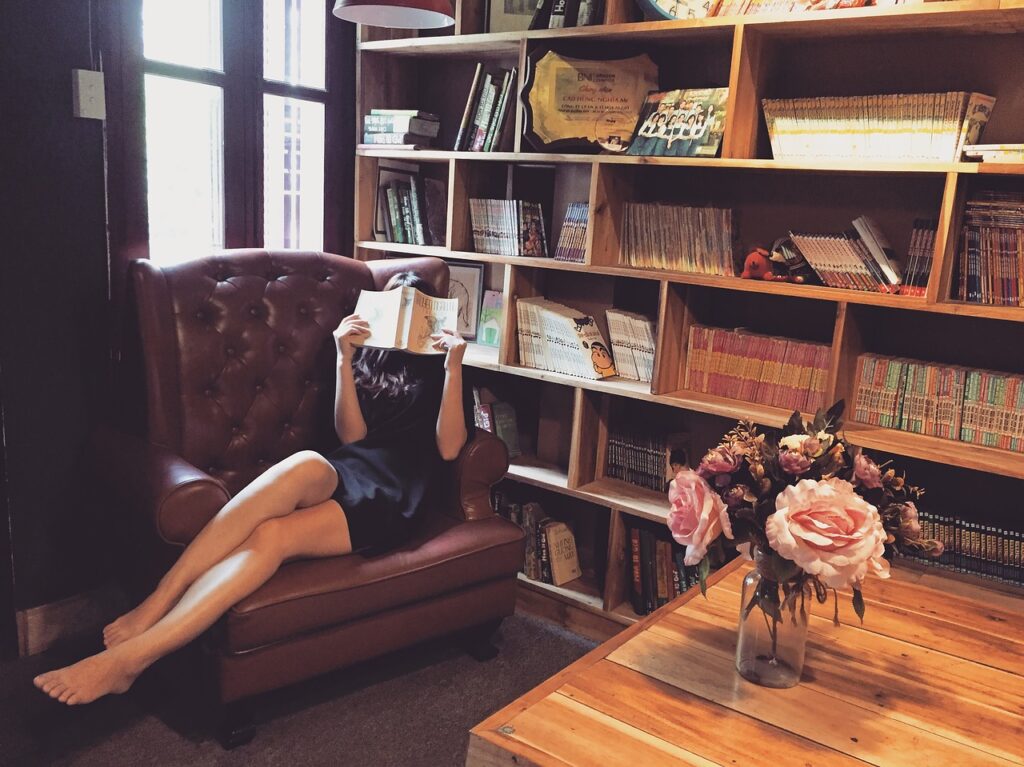
The available reports point to several causes behind the move toward cozier interiors, and all of them are tied to how Americans now use their homes. Zillow said buyers and sellers are emphasizing spaces that “truly live,” including reading nooks and spa-inspired rooms, suggesting that rest, retreat and multi-use living have become more marketable features. That framing aligns with the company’s finding that design choices are becoming more mood-driven, with homeowners using stronger colors and more expressive rooms to shape how a space feels.
Houzz tied the shift to individuality as much as comfort. In its September 2025 report, the company said homeowners are moving away from resale-driven decisions and embracing vivid, expressive details that make homes feel unique and emotionally resonant. That is an important change in industry language. Instead of presenting the home primarily as a neutral asset designed for broad future appeal, designers are increasingly describing it as a personalized environment shaped around the current occupant’s routines, taste and sense of comfort.
Pinterest’s reports point to the same consumer mood from the inspiration side of the market. The company said users were seeking one-of-a-kind pieces, nostalgic elements and sensory layering, with home décor interest extending to rustic retreats, farmhouse cottage interiors and warm fragrances associated with comfort. While Pinterest trend reports measure platform behavior rather than completed sales or renovations, they are still useful as an early indicator of what consumers are actively saving and considering before making purchases.
For homeowners, renters and buyers, the practical takeaway is straightforward. The current design cycle is rewarding warmth, texture and personality more than strict visual restraint, according to the latest reports from Zillow, Houzz and Pinterest. That does not mean minimalism is gone, but it does mean the market is increasingly making room for reading nooks, richer color, layered materials and homes that look less standardized as 2026 begins.