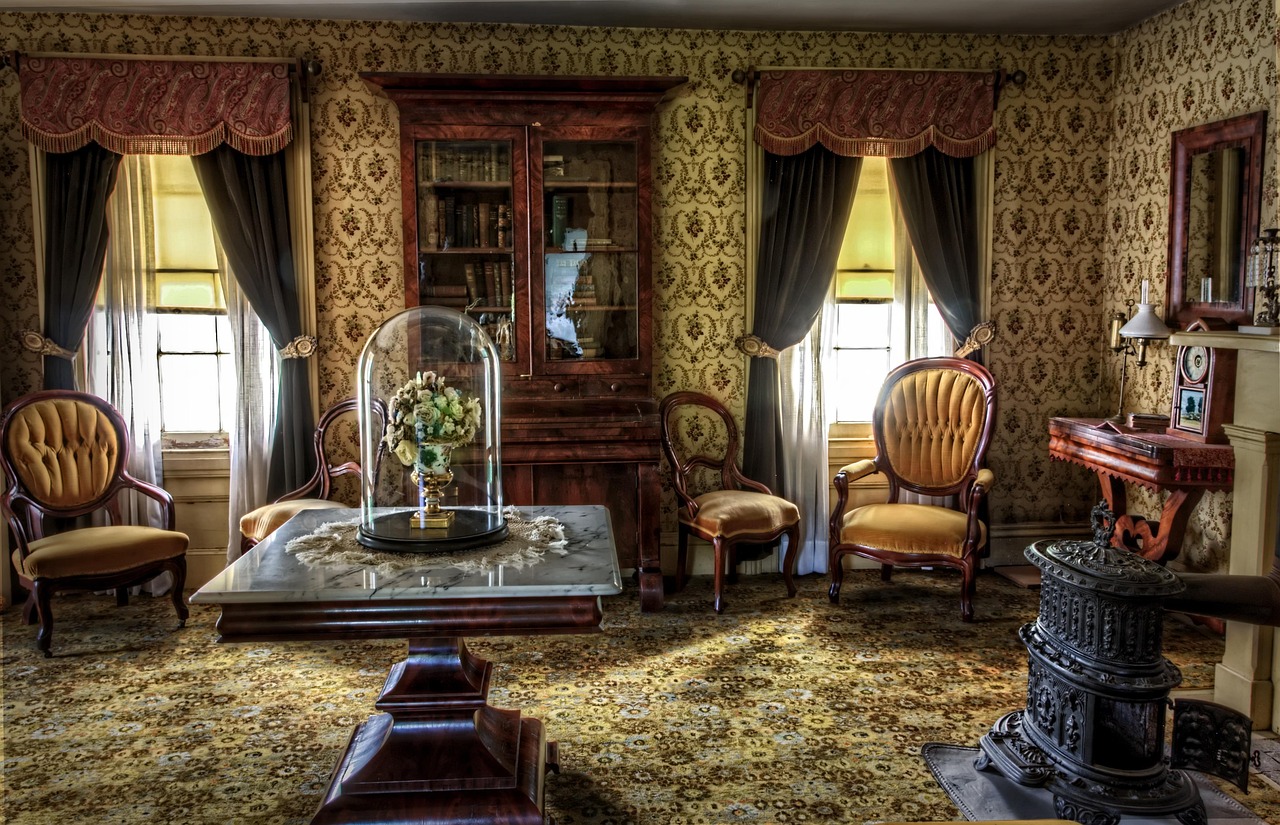
National housing and design data now points to a broad shift in what Americans want from their homes. That shift is showing up clearly in the return of cozy interiors, as home shoppers and designers increasingly favor warmth, personality and comfort over stark minimalism.
Zillow and designers are documenting a measurable shift toward cozy interiors

The clearest recent signal came from Zillow’s 2025 Zeitgeist report, released December 17, 2025, which said Americans were no longer searching for “more home” so much as “more meaning at home.” Zillow said its annual review of millions of natural-language searches found buyers moving away from a square-footage-first mindset and toward adaptable spaces and small daily comforts. The company described 2025 as a year when “lifestyle over luxury” became a defining theme in home-search behavior, and it tied that shift to demand for homes that feel more functional and personal.
That change was already visible in Zillow’s earlier 2025 trend forecast, published in November 2024, when the company said “cozy living” and home libraries were emerging as important themes. In a separate 2026 trends roundup, Zillow researchers said listing mentions of “cozy” were rising and that buyers were showing more interest in highly personalized spaces with layered ambient lighting, vintage accents and artisan details. Amanda Pendleton, Zillow’s home trends expert, said buyers increasingly want homes that feel like a safe space and a reflection of individual identity rather than a brightly lit, depersonalized showcase.
Design platforms are reporting much the same thing. Houzz said in its 2025 U.S. emerging summer trends report that U.S. search activity was climbing for French country kitchens, coffee bars and other features associated with everyday comfort and lived-in routines. In its 2025 trends coverage, Houzz also highlighted warm earth tones, wood elements and soft, timeless palettes that create a cozy feel. Those details matter because Houzz’s reporting is based on search behavior from U.S. homeowners and interviews with nearly 50 home design professionals, giving the trend both consumer and trade support.
The luxury design marketplace 1stDibs has also documented the move. Its 2026 Interior Designer Trends Survey, based on 468 design professionals worldwide, found designers expecting earthy, dramatic hues such as deep browns, greens and reds to remain strong, while vintage and antique sourcing increased meaningfully. In the same survey, 85% of designers said they sourced vintage pieces in 2025 projects, the strongest usage in five years, reinforcing the idea that coziness now means rooms with age, texture and personal history rather than blank-slate uniformity.
The trend is playing out in everyday U.S. homes, not just luxury projects

What is notable about the cozy-home revival is that it is not confined to celebrity interiors or luxury showhouses. Zillow’s search and listing data points to a broad consumer shift in the U.S. housing market, where buyers are weighing comfort, flexibility and emotional fit alongside price and location. The company said 2025 search behavior favored experience-driven amenities, flexible layouts and features that make daily life easier, suggesting that the cozy trend is as much about how a home functions as how it looks.
Pinterest data adds another layer to that picture. In its Spring Trend Report 2026, Pinterest said searches for “comfy reading chair small spaces” jumped 455%, while “closet reading nook for adults” rose 55%. Those are not signals of a market chasing oversized statement rooms. They are signals of users looking for compact, intimate spaces inside existing homes, especially places designed for retreat, quiet and routine. That aligns with what designers have been describing as a move toward conversation corners, reading nooks and smaller mood-based areas rather than one large open-plan room doing every job.
The trend also reflects the economics of housing. Affordability remains a constraint for many buyers, and that makes aspirational design choices that work in smaller rooms more relevant than grand renovations. Zillow’s market research has repeatedly pointed to affordability pressures even as conditions improved somewhat in 2025, which helps explain why buyers may be putting more value on attainable comforts than on costly square footage. A cozy room built around lighting, color, texture and secondhand pieces is often easier to create than an expansive addition or a full structural remodel.
What is not yet known is how long the current language of “cozy” will dominate listing descriptions and design forecasts. Trend cycles can change quickly, and companies such as Zillow, Houzz and Pinterest are measuring user behavior at specific moments in time. Still, the overlap across housing search data, design-professional surveys and consumer inspiration platforms suggests this is more than a short-lived aesthetic swing. At minimum, it shows a national preference for homes that feel warmer, more personal and more usable than the cool-toned, highly edited interiors that defined much of the previous decade.
Designers say comfort, personality and post-minimalist fatigue are driving the change
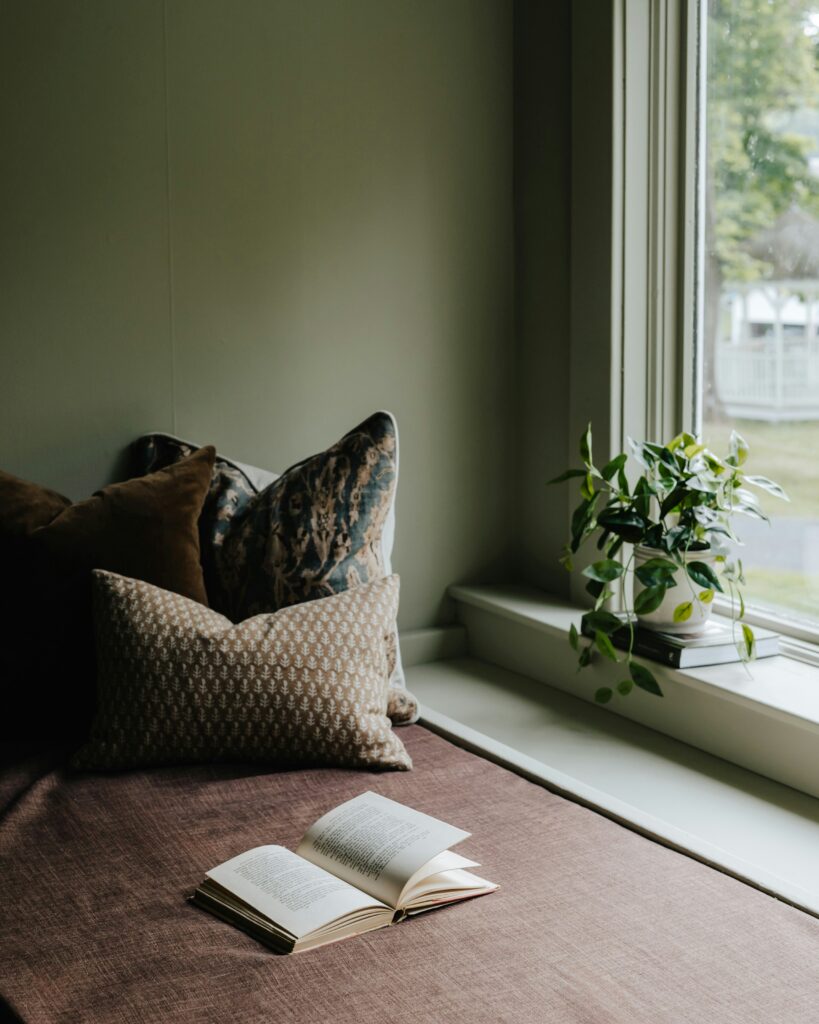
Designers and forecasters are pointing to several connected reasons for the shift, and nearly all of them come back to emotional utility. Zillow said buyers are increasingly looking for homes that offer safety, identity and warmth. Pinterest described a rise in demand for cozy escape spaces. Houzz has tracked stronger interest in wood elements, beverage stations and traditional style cues that support slower daily rituals. Together, those signals suggest the appeal of cozy homes is not simply decorative. It is tied to how people want to live inside their space.
Another major factor is fatigue with sterile minimalism. Zillow’s 2026 home-trends coverage said buyers are gravitating toward warm, inviting atmospheres in contrast with the brightly lit, minimalist interiors popular in earlier years. Homes & Gardens, summarizing 2026 design views from working designers, reported that cool gray tones have lost favor while richer browns, patina, texture and more intimate room layouts are moving in. That publication also said designers are seeing more interest in partitions, reading corners and layered rooms that create intimacy without fully closing off the home.
Color and sourcing trends support that explanation. The 1stDibs 2026 survey found that designers are leaning into chocolate browns, deep greens, reds and more eclectic mixes, while using more antiques and vintage furnishings than in prior years. Houzz likewise highlighted warm palettes and natural materials across its 2025 trend reports. These are practical tools for creating coziness: darker woods, earthy paint, textured fabrics, collected objects and furniture with visible character. They soften rooms that may otherwise feel generic and help homeowners build spaces that look established rather than newly staged.
For residents and buyers, the practical takeaway is straightforward. The current definition of an attractive home is expanding to include smaller, warmer and more individualized rooms, according to Zillow, Houzz, Pinterest and 1stDibs. That means a house does not need a vast footprint or luxury finishes to align with where the market and design industry are moving. In 2026, the appeal of a home is increasingly tied to whether it feels comfortable to inhabit every day, and the companies tracking buyer behavior say that preference is now showing up in measurable ways.