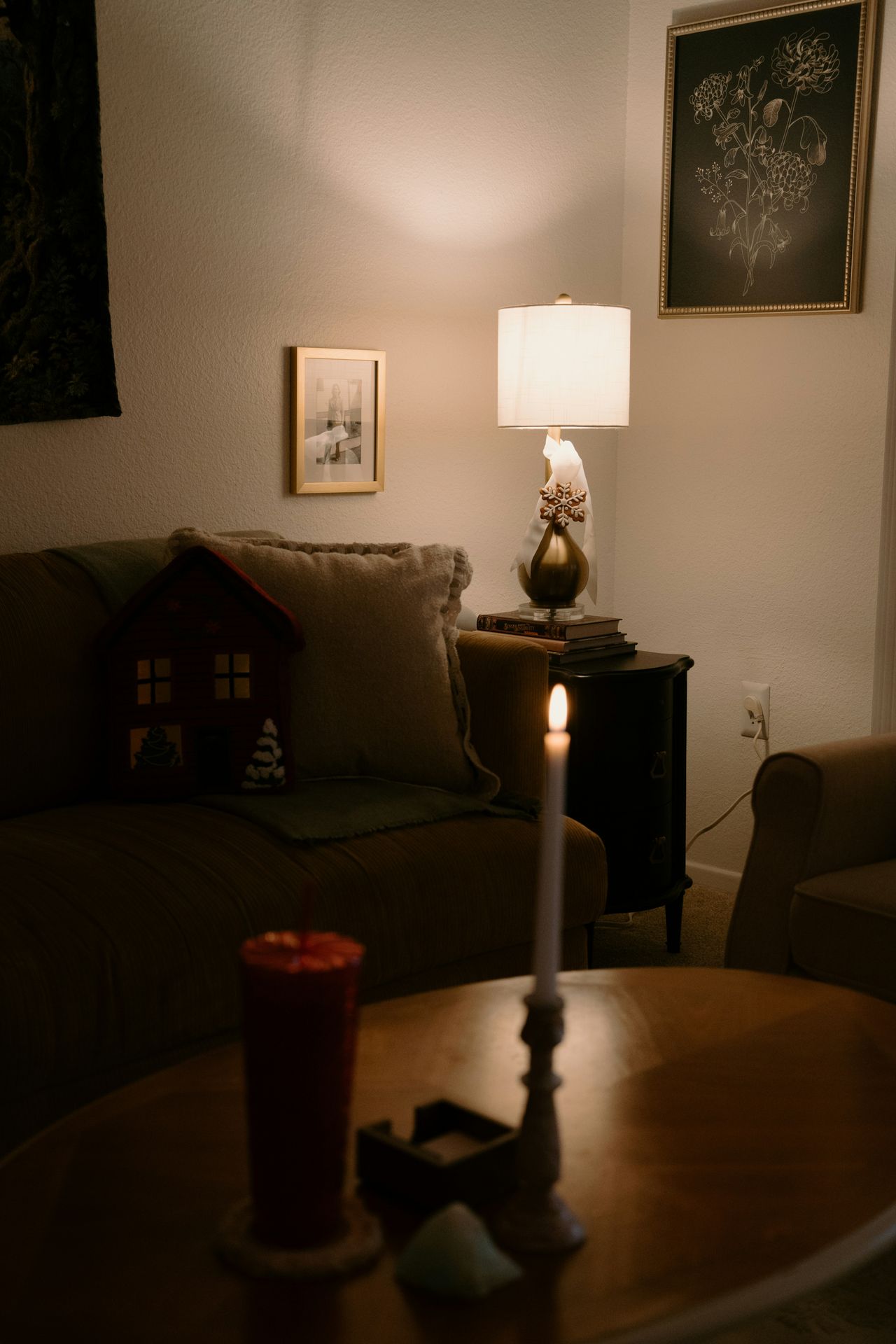
Home design in 2026 is being shaped less by one-off statement pieces and more by practical upgrades that change how rooms feel at the end of the day. One of the clearest examples is the rise of “no big light” living and lampscaping, a decorating habit that replaces a single overhead fixture with multiple smaller sources of warm light.
The decorating shift is specific, documented and getting broader

The habit gaining traction is not a paint color or a furniture silhouette. It is a lighting approach: turning off the single overhead ceiling light and instead using layered sources such as table lamps, floor lamps, sconces and accent lighting. Houzz documented the broader comfort-driven shift on March 10, 2026, when it published its 2026 home design predictions and said its outlook was informed by a community of more than 70 million homeowners and home design enthusiasts and more than 3 million construction and design professionals. In that report, Houzz tied 2026 design choices to long-term living, noting that nearly two-thirds of homeowners expect to stay in their homes for 11 years or more.
That longer-stay mindset is showing up in the rooms people prioritize. A 2026 1stDibs designer survey said living rooms were the most-requested spaces in 2025, named by 63% of respondents, while kitchens followed at 52%. The same survey said designers were also recommending home libraries and other personal retreat spaces, a sign that clients are investing in rooms meant for everyday unwinding rather than occasional entertaining. The report also found that 43% of designers identified curvy and irregular-shaped furniture as a 2026 trend, and 35% cited color drenching, both part of a broader move toward softer, more enveloping interiors.
Specialty design coverage has given the lighting habit a name. Homes & Gardens, reporting on 2025 lighting trends, described “lampscaping” as a growing idea that treats lighting as central to the design of a room rather than an afterthought. The publication said one of the most notable versions of the trend is adding a small lamp to a kitchen counter or open shelf to create softer ambient light in a space that is usually treated as purely functional. The same report noted that while social media has pushed back on the “big light,” pendant lighting has not disappeared; instead, designers are moving away from harsher spotlights and toward arrangements that feel more soothing and visually flattering.
The industry is also framing the trend as a technical lighting issue rather than only an aesthetic one. A May 28, 2026 analysis published by LightNOW said the backlash to the “big light” reflects a familiar problem in lighting design: one high central source is often being asked to do every job in a room. That helps explain why layered lighting is being presented less as a fad and more as a functional redesign of how living spaces work after office hours, dinner and screen time.
The impact is national, but the strongest effect is inside everyday rooms

This is not a trend limited to luxury remodels or coastal show homes. The available research points to a broad U.S. shift in how ordinary rooms are being used, especially by people staying in place longer and expecting the same room to handle work, meals, relaxation and entertainment. Houzz said in its 2026 U.S. Houzz & Home Study that 54% of U.S. homeowners undertook renovation projects in 2025. It also reported that 50% planned renovations for 2026, down slightly from 52% the year before, which suggests homeowners are still spending on their homes but are becoming more selective about where comfort upgrades matter most.
One reason the lighting change resonates is that it can happen without a full renovation. The company has not released a state-by-state breakdown showing where lampscaping or “no big light” setups are most common, and no comprehensive national list identifies which metro areas are leading the shift. What is confirmed is that living rooms, kitchens and bathrooms remain central to remodeling and refresh activity, and these are the rooms where layered light has the most immediate effect. Houzz’s 2025 bathroom trends study, for example, found that 36% of renovated bathrooms included wellness-oriented features, led by upgraded lighting at 30%.
Design reporting suggests the same logic is spreading beyond bathrooms into living rooms and kitchens. Homes & Gardens said the kitchen-counter lamp trend is gaining attention because it creates softer pools of light in a room that otherwise tends to rely on bright task lighting. That is important for households that use kitchens and open-plan areas long after the workday ends. In many homes, the kitchen is no longer separated from the lounge or dining area, so a harsh overhead fixture can dominate the entire shared space.
The trend also aligns with what designers say about multifunctional homes. In its lighting coverage, Homes & Gardens quoted Piero de Marchis saying homes are “having to work harder for us than ever before,” especially in open-plan living areas and combined kitchen-dining spaces. That matters because a room used for laptop work at 3 p.m. and winding down at 8 p.m. needs more than one lighting mode. Layered lamps and dimmer, warmer sources let homeowners change the room without changing the room itself.
For residents, the practical effect is straightforward. The shift does not require eliminating overhead fixtures altogether, and reports do not suggest they are obsolete. Instead, the change is toward using overhead lighting more selectively while relying on lamps, wall lights and lower-level sources for evening comfort in the rooms where people spend the most time after work.
Why it is happening now and what residents should expect next

The strongest documented explanation is that Americans are asking more from their homes and planning to stay in them longer. Houzz said more than half of homeowners renovated in 2025 and that pent-up demand remained a major motivator, with 40% saying they finally had the time to renovate and 36% saying they now had the financial means. The company also said 61% planned to stay in their homes for 11 years or more, while 44% described their residence as a forever home. That kind of time horizon tends to favor comfort and flexibility over fast-moving novelty.
There is also a room-use explanation behind the softer-lighting shift. Houzz said increased remote work was one of the most common life-event reasons for renovating among homeowners updating due to life changes. When homes absorb more daytime work, evening reset becomes more important. Lighting that separates work mode from rest mode is a relatively accessible way to do that. Industry commentary from LightNOW argued that the “big light” problem is really about poor light distribution, meaning people are reacting not just to brightness but to the lack of zones and variety in a room.
Designer surveys point in the same direction. The 1stDibs 2026 trends survey said living rooms and kitchens remained the most-requested spaces and linked that demand to everyday function and self-care upgrades. Houzz’s March 2026 predictions also pointed to warm, grounded traditional details, earthy colors and built-ins that make living rooms feel more organized and less visually harsh. While those reports are broader than lighting alone, they place the softer-lighting habit inside a larger design movement centered on comfort, longevity and personal retreat.
For homeowners and renters, the immediate takeaway is modest but clear. Reports do not show a single national rule for how many lamps a room should have, and no major source has published a definitive count of households adopting “no big light” routines. What the available evidence does show is that layered lighting is moving into the mainstream because it addresses how people actually use their homes at the end of the day. As design coverage and industry reports continue to frame ambient lighting as both functional and calming, residents should expect to see more living rooms, kitchens and bedrooms lit by smaller, warmer sources rather than one all-purpose ceiling fixture.