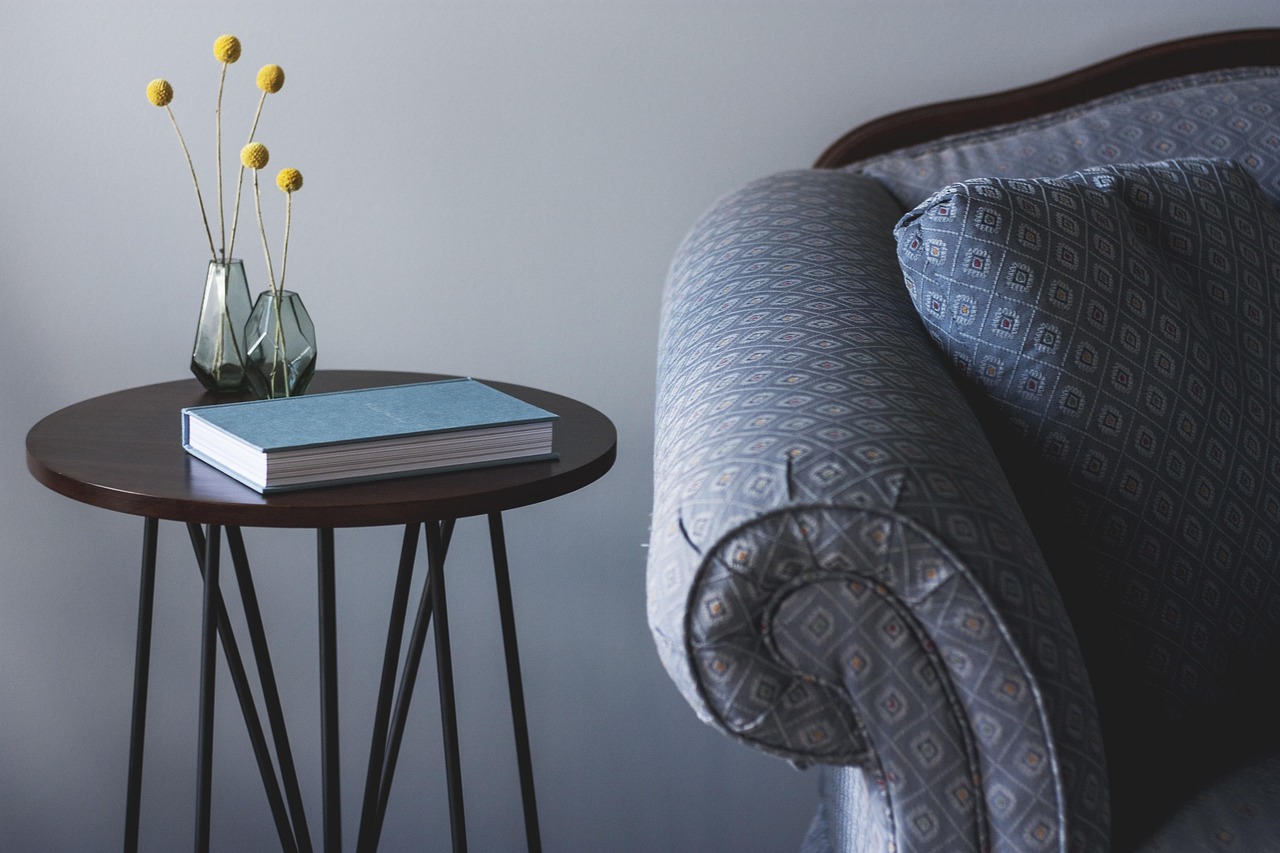
Across the U.S. housing market, the definition of luxury is shifting away from sheer volume and toward space that feels calmer, more flexible and easier to use. In homes large and small, that is translating into a visible design change: fewer freestanding furniture pieces, more built-in storage and layouts that leave more open floor area.
Housing and design companies are documenting a measurable move toward “less, but better”

The strongest evidence for the shift is coming from the companies that track how Americans renovate, furnish and shop for homes. Houzz said in its 2026 U.S. Houzz & Home Study, based on responses from 20,358 users including 10,176 renovating U.S. homeowners, that decorating activity slipped to 52% from 54% a year earlier, while renovation activity remained higher at 54%. That matters because it suggests more households are putting money into permanent changes, such as cabinetry, storage and architectural upgrades, instead of simply adding more movable pieces.
Houzz reinforced that direction in multiple 2026 trend reports. In its summer trends report, the company said homeowners are favoring softer forms and calmer palettes, while a separate Houzz release on kitchen renovations said thoughtfully designed storage reduces clutter and improves daily use. In another 2026 forecast, Houzz said maximizing wall space can reduce the need for extra furniture and make rooms feel more open. Taken together, those reports describe a market where luxury is increasingly tied to clear surfaces, integrated storage and visible breathing room rather than densely furnished rooms.
The homebuilding industry is seeing a parallel change. Realtor.com, citing National Association of Home Builders data on February 22, 2026, reported that homes are getting smaller and floor plans are becoming more efficient and feature-packed. NAHB said in a February 2025 release that affordability pressures are pushing buyers toward smaller, more personalized homes, and builders are responding with smaller footprints and incentives. In practice, a smaller or more carefully planned home leaves less tolerance for bulky, single-purpose furniture, which helps explain why restrained furnishing is now being read as intentional rather than sparse.
Retail and real estate companies are also adjusting their language around home presentation. IKEA U.S. said in its 2026 Style Guide that “The Art of Storage” is one of four key trends shaping homes this year, while Zillow announced in September 2025 that its AI-powered virtual staging tool can remove furniture entirely so shoppers can view a home as a blank slate. Those are different businesses, but both are responding to the same consumer preference: rooms that look usable, uncluttered and adaptable.
The effect is especially visible in small homes, rentals and fast-moving metro markets

This change is not limited to luxury listings or high-end custom homes. It is becoming more visible in the parts of the housing market where space is expensive, people move often and every square foot has to work harder. Apartment List said in its 2026 Renter Migration Report, published March 19, 2026, that 39% of renters on its platform looking for a new home in 2025 were searching in a new metropolitan area. That kind of mobility tends to favor lighter, simpler and more flexible interiors over rooms filled with large furniture that is costly to move and hard to fit into the next apartment.
IKEA has been explicit about the connection between storage and the perception of space. On its U.S. ideas platform, the company says vertical storage and wall shelving can make small areas feel far more expansive. In a separate global design release on multifunctional furniture for small spaces, IKEA said the right storage solutions can go a long way toward making a home feel bigger. The practical result is that luxury is being communicated less through how much furniture a room contains and more through whether possessions are controlled, circulation is clear and the room can shift between tasks.
Real estate marketing data points in the same direction. The National Association of Realtors said in its 2025 Profile of Home Staging that 83% of buyers’ agents said staging made it easier for a buyer to visualize a property as a future home. The report also found that the living room, primary bedroom and dining room were the spaces most commonly staged. That does not mean empty rooms outperform furnished ones, but it does show why pared-down staging has become common: buyers need enough furniture to understand scale, but not so much that the room feels occupied by someone else’s life.
Zillow’s selling guides now put “clean and declutter” at the top of the preparation list for a fast sale, and its May 2025 staging cost guide said even minimal staging can include decluttering and small updates rather than extensive furniture rental. In local markets where homes are photographed first and visited later, that matters. A room with fewer, better-scaled pieces often reads as larger on a screen, and larger-looking rooms still carry a pricing and desirability advantage in many U.S. markets.
Affordability, wellness and built-in storage are reshaping what buyers read as luxury

Several forces are pushing this trend at once, and not all of them come from aesthetics. Affordability is one of the clearest. NAHB said buyers are showing stronger interest in smaller homes because of cost pressures, and Realtor.com reported that builders are answering with more efficient layouts. When square footage is tighter, excess furniture quickly starts to look like a problem. By contrast, a room with fewer objects can signal that the home was planned well enough that it does not need extra cabinets, consoles or storage towers to function.
A second driver is the consumer shift toward permanent, integrated improvements. Houzz’s 2026 kitchen coverage said homeowners are turning to specialty built-ins and better internal storage to reduce clutter and improve efficiency. Redfin’s 2026 design trends report similarly said hidden prep areas, appliance garages and integrated storage are becoming more desirable in luxury homes. Those details change the furniture equation because they move function into the architecture itself. Once storage, work surfaces and utility are built into the shell of the home, the room can carry fewer standalone items without feeling unfinished.
The third factor is emotional rather than purely spatial. IKEA’s Life at Home reporting, based on more than 38,000 people across 39 countries, said people are looking for enjoyment, comfort and a stronger emotional connection to home through simple, manageable changes. Design coverage from Houzz and other shelter publications in 2026 has echoed that idea with an emphasis on warm minimalism, softer edges and restraint that does not feel stark. In other words, the new luxury look is not an empty room. It is a room where every visible object has a purpose, storage keeps clutter out of sight and the remaining space feels deliberate.
For residents, buyers and renters, that means the “luxury” signal in 2026 is less about owning more furniture and more about needing less of it. The home industry’s own data shows that open floor area, hidden storage, multifunctional layouts and lighter staging are becoming standard ways to communicate value. As builders shrink footprints, retailers emphasize storage and listing platforms help sellers present cleaner rooms, fewer pieces are no longer being read as a compromise. They are increasingly being presented as proof that a home is working efficiently.