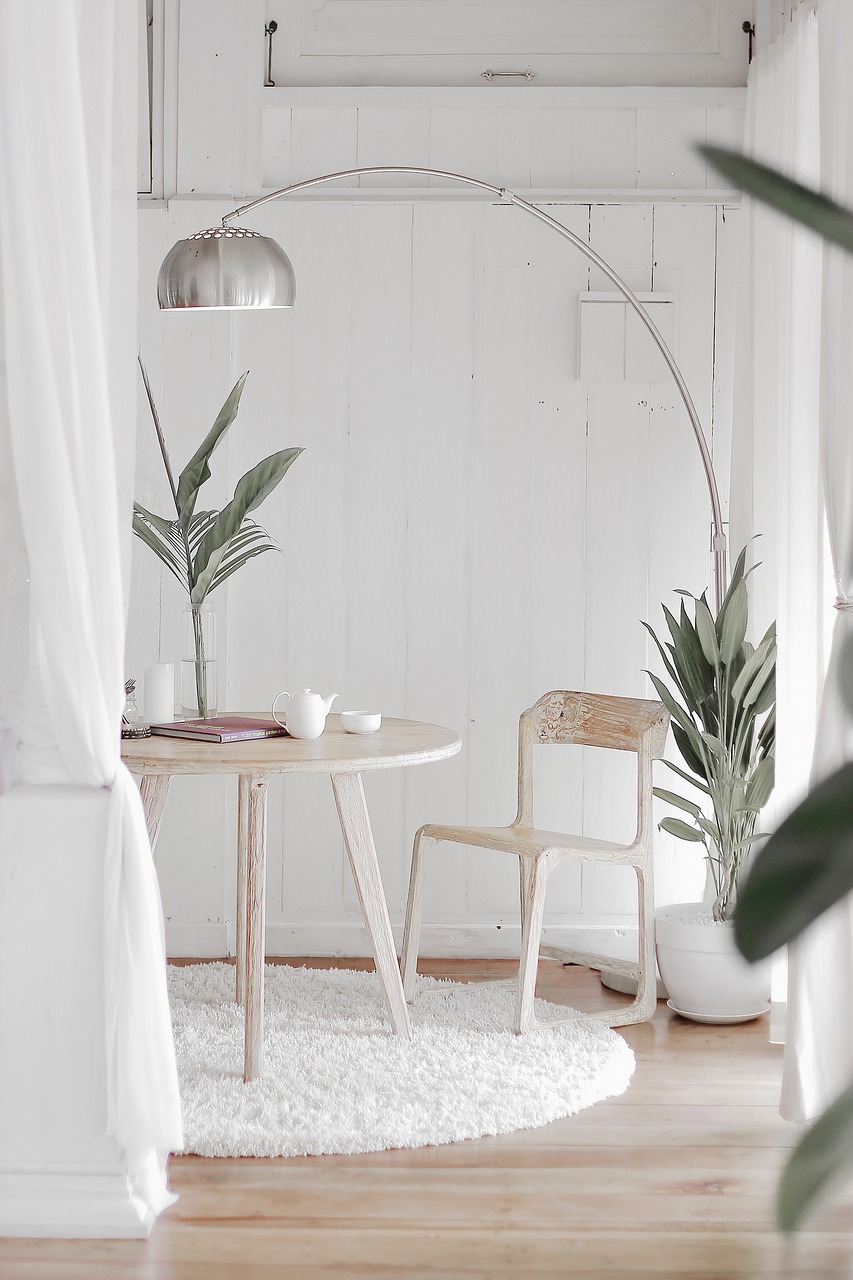
Homes that look polished are also increasingly being designed to work harder, as homeowners spend on renovations that improve storage, organization, and everyday function. The specific reason beautiful homes often feel easier to keep clean is not simply that their owners clean more often, but that design choices reduce visible clutter and make tidying faster, according to recent Houzz research and earlier studies on clutter and well-being.
New House data and earlier clutter research point to the same pattern

Houzz’s 2026 U.S. Houzz and Home Renovation Trends Study, published in early June, offers one of the clearest recent snapshots of what homeowners are actually buying. The report says it surveyed 21,889 users, including renovating U.S. homeowners, and found that storage or organizational products remained a notable category of home purchases in 2025. That matters because the industry’s own spending data shows that people are not only updating finishes for appearance; they are also paying for systems that keep belongings contained and surfaces clearer.
That pattern aligns with what organizing professionals have been telling lifestyle outlets this spring. In May 2026, Good Housekeeping reported that professional organizers identified surface clutter, overloaded storage, and piles of “in-between” items as common reasons a home looks messy even when it has already been cleaned. The publication quoted organizer Heather Aiello saying that when surfaces are covered, the eye has nowhere to rest, which makes a room feel chaotic despite the underlying cleanliness.
Academic research has described a similar connection in more formal terms. A Journal of Environmental Psychology study by Rona Hart and Joseph R. Ferrari, highlighted in later coverage, examined 1,111 adults and found that subjective clutter was strongly associated with lower well-being, while the home environment’s psychological meaning also mattered. The study did not argue that a stylish room is automatically healthier, but it did show that the way people experience clutter in their homes has measurable consequences.
Older research cited in decluttering coverage also helps explain the mechanics. Psychology Today, discussing prior industry findings, said one study reported that getting rid of clutter could eliminate about 40% of housework in the average home. Even if that figure comes from older trade-group material rather than a new federal dataset, the practical conclusion is consistent with current home-design reporting: the less visible overflow a home has, the fewer objects need to be moved, sorted, dusted around, or put back every day.
The impact is showing up in U.S. homes through renovation and room-by-room design

In the United States, the effect is most visible in the rooms where mess accumulates fastest: kitchens, bathrooms, entryways, closets, and laundry areas. Houzz’s 2025 and 2026 research shows that homeowners continue to prioritize highly functional renovations, especially in kitchens and bathrooms, while also purchasing storage and organization products at meaningful rates. That means the “beautiful home” many Americans see online or in listings is often the result of hidden capacity such as drawer organizers, closed cabinetry, pantry systems, and better room zoning.
What is confirmed by the data is that homeowners are investing in this infrastructure. Houzz reported that 34% of respondents in its 2025 study bought storage or organization products, and the 2026 study continued to list those products among notable purchases. What is not publicly broken out in detail is a comprehensive state-by-state map showing exactly where every organization-related purchase was made, so the available data is national rather than hyperlocal.
The consumer-facing impact is straightforward. A home with designated storage, fewer items on counters, and clearer pathways can usually be reset more quickly after cooking, getting ready for work, or managing children’s schedules. Organizing experts cited by Good Housekeeping said common clutter magnets include mail, shoes, toiletries, and laundry-related buildup, all of which are easier to manage when homes are designed with specific drop zones and easy-access storage.
There is also evidence that clutter affects perception before a person consciously processes it. Research indexed by PubMed on visual search found that cluttered displays degrade search performance, meaning people locate what they need less efficiently in crowded visual environments. That research was not conducted in living rooms or kitchens, but the implication for homes is clear: when a space is visually crowded, ordinary tasks can feel slower and more effortful. A room that looks better may therefore feel cleaner partly because it is easier to read, easier to navigate, and easier to maintain in real time.
The broader cause is less “luxury” than friction-free design and visual control

The larger context is that many households are trying to solve for daily friction, not just aesthetics. Axios reported in January 2025, citing Houzz economist Marine Sargsyan, that homeowners were renovating more because limited inventory and high mortgage rates made moving less attainable. When people stay put longer, they are more likely to spend on improvements that help the home function better over many years, including organization, storage, and layouts that support routine maintenance.
That helps explain why beautiful homes often feel easier to keep clean even when their finishes are not extravagant. The advantage usually comes from fewer objects left in the open, more intentional storage, and materials and layouts that are easier to wipe, sort, and reset. Good Housekeeping’s reporting this year emphasized that visual clutter alone can make a space feel messy, while the Journal of Environmental Psychology research found that subjective clutter carries a meaningful relationship with well-being. Together, those findings suggest the sensation of cleanliness is partly psychological and partly operational.
There are limits to what can be concluded. No single study says that one paint color, one sofa brand, or one design trend will make a home easier to maintain. The evidence instead supports a narrower, verifiable point: homes feel easier to keep clean when their design reduces cognitive load, lowers visible clutter, and gives frequently used items an obvious place to go.
For residents, that means the practical difference is often in systems rather than showpieces. Closed storage, edited surfaces, better room zoning, and renovation choices that support routine use can make a home appear calmer and require less daily recovery after normal life happens. As Houzz’s latest renovation research suggests, many homeowners are already spending with that goal in mind, treating beauty and maintainability as connected parts of the same project.