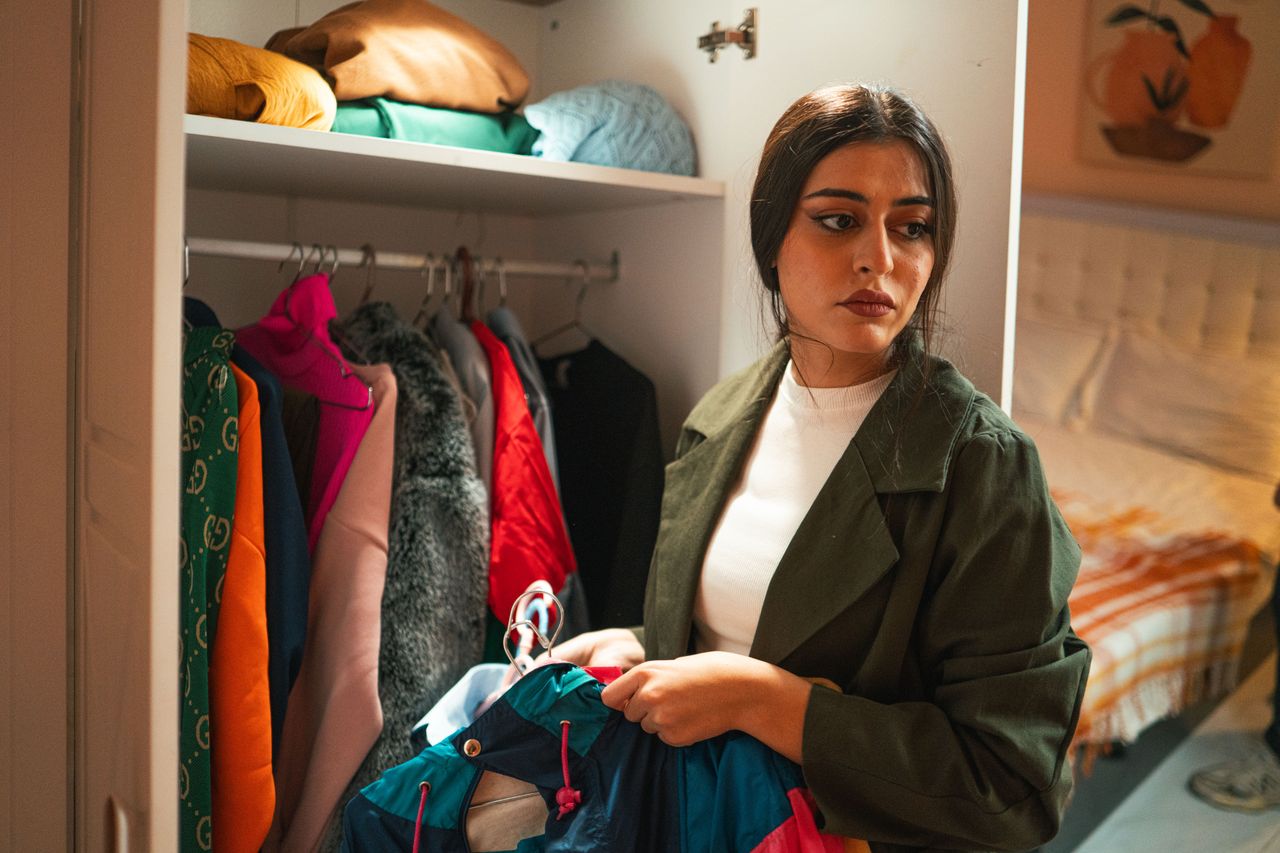
Across the U.S., home organization advice has become a booming lifestyle category, with retailers, influencers, and service firms all promoting baskets, bins, and label-ready systems as fast fixes for clutter. In that broader market, professional organizers are now delivering a much narrower message: stop buying extra storage containers first, especially pre-set basket collections and random bins that are supposed to solve a problem before the household has actually pared down what it owns.
Professional organizers are increasingly singling out bins and basket sets as the problem
A January 12, 2026 report from The Washington Post captured the clearest version of that warning. In interviews with eight professional organizers, the paper reported that one of the most common mistakes people make is buying organizing products too early, before they sort or declutter. Olivia Parks, owner of Professional Organizer New Orleans, told the Post that people often buy bins, baskets, and other products before they have started deciding what to keep, turning those products into additional clutter instead of a solution. The same article also quoted organizer Marty Stevens-Heebner saying decisions, not storage bins, create organization, and Meghan Cocchiaro summarizing the issue even more directly: people are buying more stuff to store the stuff they have not stopped buying.
That message did not stay isolated to one article. In a more recent 2026 roundup republished by Yahoo Shopping from Southern Living, three organizers highlighted six products they would encourage people to avoid altogether, including basket sets sold in multiple sizes. According to that report, Libbi Moore of Neatly Ever After said shoppers should hold off on mixed-size basket sets because they often buy them before they know exactly what needs to be stored. The same piece included Alexandria Brouard of Cozy Home Studios, who said many people buy storage products hoping the products will solve the problem, only to end up storing items that did not need to be kept in the first place.
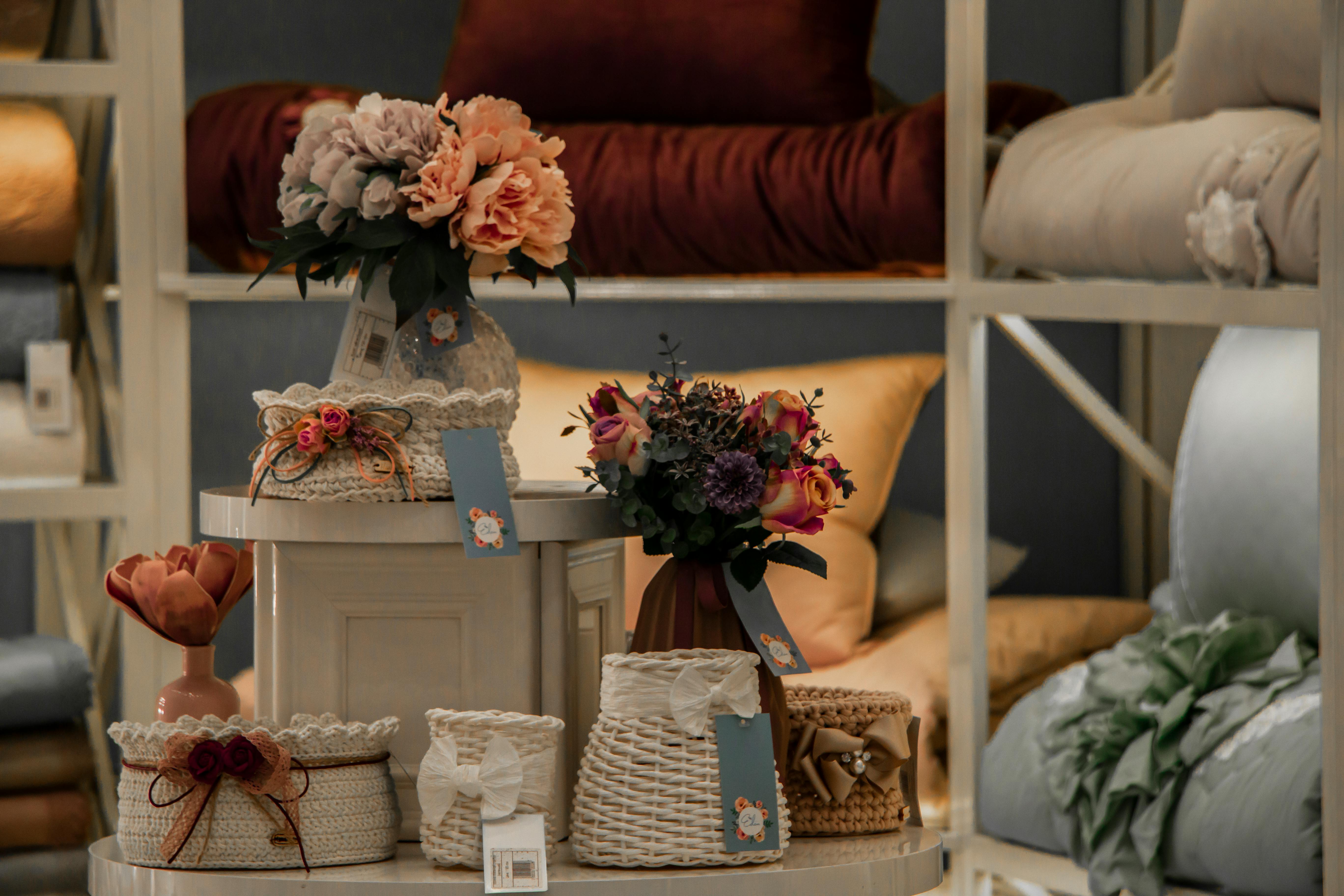
A separate Southern Living item, republished by AOL in February 2026, showed how broad the concern has become. In that report, organizers identified several products they considered overhyped, including rattan and wicker baskets, which Houston-based organizer Carol Appelbaum said can create functional issues in real homes. Across those interviews, the consistent action being taken by organizers is not a boycott or product recall. It is a public, repeated shift in professional guidance away from impulse storage buying and toward decluttering first, measuring second, and purchasing containers last.
The practical impact is showing up in American homes, even without a state-by-state list

This topic does not center on a single company recall, store closure, or state-specific restriction, and there is no official government database tracking where consumers are buying too many storage bins. What is confirmed is that the warning is national in scope, with organizers quoted from Louisiana, North Carolina, Texas, Virginia, Maryland, and California across multiple 2026 articles. What is not known is how much that advice has changed purchasing patterns in any one state, because retailers and organizers have not released a comprehensive state-by-state accounting of storage-product returns, slowdowns, or category pullbacks tied specifically to professional organizing guidance.
Still, the local relevance is easy to trace. The organizers cited in these reports work in ordinary households, not test kitchens or design showrooms, and their complaints are about the same pressure points renters and homeowners face in high-cost markets: limited closet space, crowded kitchens, overfilled garages, and the temptation to buy a tidy-looking system before dealing with the volume of belongings already inside the home. In the Washington Post interviews, organizers described floors stacked with items, surfaces acting as holding zones, and closets filled with things tied to guilt, habit, or delayed decisions. In that context, another set of matching bins does not reduce demand on space; it can simply distribute clutter more neatly.
That matters in apartment-heavy markets where square footage is expensive and visible storage is common. Several organizers said the issue is not just appearance but usability. A basket set with multiple shapes may not fit shelves efficiently. Decorative wicker can snag clothing. Large or random containers can make belongings harder to retrieve and easier to forget. When organizers say not to buy the product, they are often not rejecting storage altogether. They are rejecting buying storage without first knowing the exact category, size, and daily use of the items that will go inside.
For residents, that means the immediate impact is behavioral rather than regulatory. No national chain has announced a stop-sale tied to these warnings, and no brand has been publicly identified as the sole focus of the criticism. The guidance instead applies across the category: generic bins, assorted basket packs, and other storage purchases made before decluttering.
Organizers say the root cause is overconsumption, misplaced timing, and visual marketing

The cause, according to the organizers quoted in these reports, is not that storage products never work. It is that they are routinely purchased at the wrong stage of the process and marketed as substitutes for decision-making. The Washington Post article framed that clearly by leading with the timing problem: consumers buy organizing products before they organize. Parks said people cannot know what they need until they sort first. Stevens-Heebner said containers should come after deciding what deserves a place in the home, not before. Cocchiaro connected the pattern to bulk buying, impulsive buying, and a broader cycle in which households keep acquiring goods and then purchase more goods to contain them.
Recent design and lifestyle coverage points to the same context. Livingetc reported in early 2026 that professional organizers see “beautiful bins and boxes” as part of a consumer culture that can hide clutter rather than reduce it. Homes and Gardens, in a January 2026 feature, similarly reported that organizers reject products that prioritize aesthetics over function, including containers that waste shelf space or become awkward to use in daily life. Even when the products look polished online or in a catalog, organizers say they often fail in actual closets, bathrooms, kitchens, and utility spaces once households try to live with them every day.
For customers, the main takeaway is practical and immediate. The product category under criticism is not storage in general but storage purchased without editing, measuring, and assigning purpose first. A shopper in the U.S. should expect to keep seeing bins, baskets, and modular sets marketed heavily because the broader home-organization business remains strong, but the professional advice now running alongside that market is much more restrained. Based on the 2026 guidance from organizers interviewed by national outlets, the recommended sequence is to declutter first, define what stays, identify where it is actually used, and only then buy containers that match those exact needs. The article trail this year ends on that factual point: organizers are not saying every bin is bad; they are saying random bin buying is.