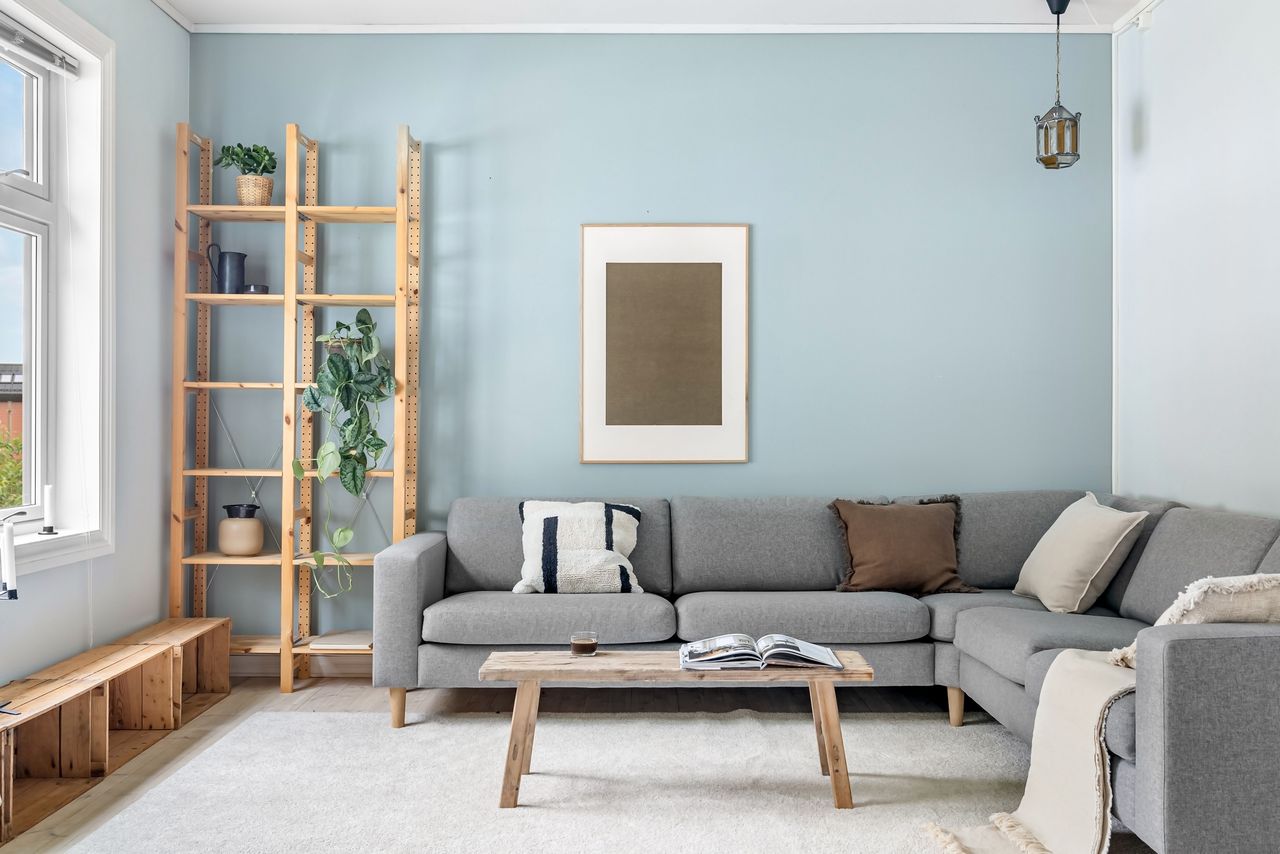
In a U.S. housing market where buyers and renters still make fast judgments about a space, the idea of a “welcoming home” is increasingly being tied to sensory experience rather than décor spending. Recent housing and environmental psychology findings show that what people register first is often lighting, scent, visible tidiness and the absence of clutter, not whether a room is filled with trend-driven furnishings.
Research and housing groups are putting numbers behind what people notice first

A growing body of research suggests that the homes people describe as instantly comfortable tend to succeed on environmental cues before decorative details. The National Association of Realtors said on May 6, 2025, that more than half of sellers’ agents who did not stage homes still advised owners to declutter or fix property flaws before listing, a sign that basic condition and visual order remain central even when full styling is not used. In the same 2025 home staging report, NAR said 29% of agents reported that staging increased the dollar value offered by 1% to 10%, while 49% said staging reduced time on market, underscoring that first impressions still carry financial weight.
But the report also points to an important distinction: staging is not only about adding decorative pieces. NAR’s own summary emphasizes decluttering and correcting visible issues, which means the strongest effect may come from removing distractions rather than layering on more design. That aligns with environmental psychology research published in the Journal of Environmental Psychology, which found that possession clutter had a negative effect on psychological home and subjective well-being. In practical terms, the research suggests that too many visible objects can undermine the sense of calm and comfort people want from a home environment.
Industry surveys aimed at hosts reach a similar conclusion. The American Cleaning Institute said in its 2025 Fall Cleaning Survey that 91% of Americans make a concerted effort to clean before entertaining guests, and the group said respondents especially prioritize fresh scents and tidying visible spaces before people arrive. Jennifer Abril, the institute’s president and CEO, said the survey showed many Americans see disinfecting surfaces and freshening the air as ways to improve how guests feel in the home. That matters because a home can read as welcoming before anyone consciously evaluates its paint color, art or furniture layout.
Academic work outside residential real estate reinforces the same pattern. Studies in hospitality and environmental design have found that people’s impressions of cleanliness, order, pleasantness and relaxation can be shaped by lighting conditions and ambient scent. Even when conducted in hotels, restaurants or retail settings, those studies are often cited by designers because they measure the same first-response reactions that occur when someone steps through a front door.
The impact shows up in everyday homes, even when no full redesign is involved
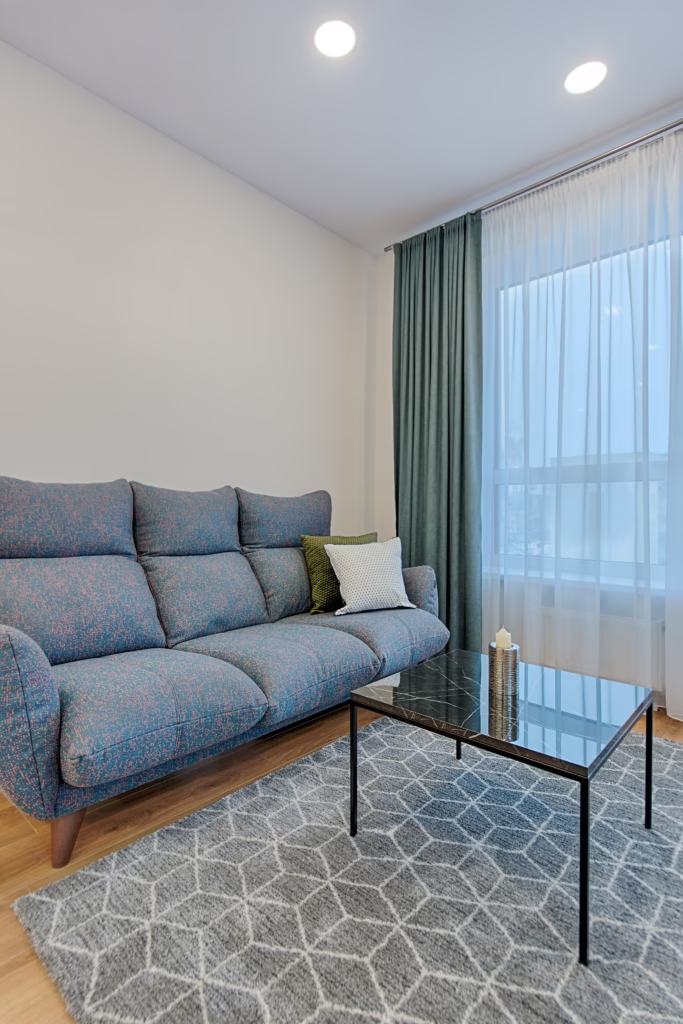
For homeowners, renters and apartment dwellers, the practical implication is that an inviting home may be less dependent on a renovation budget than on how the space is experienced in the first minute. A Washington Post report in May 2025 on visual clutter noted that clutter is not just about volume but about what the eye has to process, and designers interviewed for that report said reducing visual clutter helps important elements stand out. While that is not a controlled experiment, it reflects the same pattern seen in academic studies: when surfaces, corners and entry sightlines are crowded, the room can feel harder to read.
Lighting is another factor with measurable effects. A study in Building and Environment found that the qualitative impression of a room, including pleasantness, spaciousness, relaxation and order, could be influenced by lighting arrangement. Separate hospitality research has also found that lighting can shape perceived cleanliness and approach intentions, suggesting that brightness, color temperature and fixture placement help determine whether a room feels soothing or harsh. In a home, that can mean a well-lit entry, balanced lamp light and minimized glare may do more for comfort than a new accent chair.
Scent matters as well, though researchers tend to frame it carefully. A 2020 review in Frontiers in Psychology on ambient scent and well-being in built environments said smell can influence mood, evaluation and social interaction. Another environmental psychology study examining tidy and messy retail settings found pleasant scent could improve evaluations, although it did not erase the effects of disorder. The takeaway for homes is straightforward: a fresh-smelling space may support a positive impression, but it does not fully compensate for clutter or neglect.
What remains less clear is how universal these preferences are across age, culture and housing type. Recent design research continues to examine differences in lighting preferences among groups, and some people are more comfortable with high-density visual environments than others. Still, across multiple studies and industry reports, the broad pattern is consistent: people often read welcome, comfort and care through sensory order first, with decorative style becoming a secondary layer.
Why this matters now for residents, renters and anyone trying to make a home feel more comfortable

The timing of this conversation is tied to the realities of the current housing and rental market. Many Americans are trying to improve how their homes function without taking on large furnishing costs, and housing professionals have increasingly emphasized lower-cost changes such as decluttering, cleaning and correcting visible wear. NAR’s 2025 findings suggest that even in sale preparation, many agents focus on reducing distractions instead of requiring a fully staged, magazine-style interior. That is especially relevant in apartments and smaller homes, where storage limits can quickly turn everyday belongings into visual clutter.
There is also a broader reason these findings keep resurfacing: the psychology of home is not identical to the aesthetics of home. The 2016 Journal of Environmental Psychology study described psychological home as a meaningful connection between people and their physical environment, and it found clutter can weaken that connection. In other words, a room may be stylish on paper and still not feel restorative if it creates sensory overload. By contrast, a simpler room with cleaner sightlines, comfortable lighting and a neutral scent may feel more livable even without expensive finishes.
Hospitality research offers another useful piece of context. Studies on perceived cleanliness and welcoming environments consistently show that people form impressions quickly and often subconsciously, using cues such as brightness, neatness and smell before they consciously assess design quality. That helps explain why some homes feel comfortable almost immediately while others, even well-decorated ones, can feel tense or impersonal. The emotional reading of the space happens fast, and décor is only one part of that equation.
For residents, that means the most effective changes are often the least flashy: clearing visible surfaces, improving lamp placement, addressing stale air, and reducing the amount of visual information competing for attention. The current evidence does not suggest decorating is irrelevant; it suggests decorating works best after the room already feels clean, legible and calm. In the housing industry’s own data and in academic research, the homes that feel welcoming first are usually the ones that communicate order, comfort and care before anyone notices the styling trend.