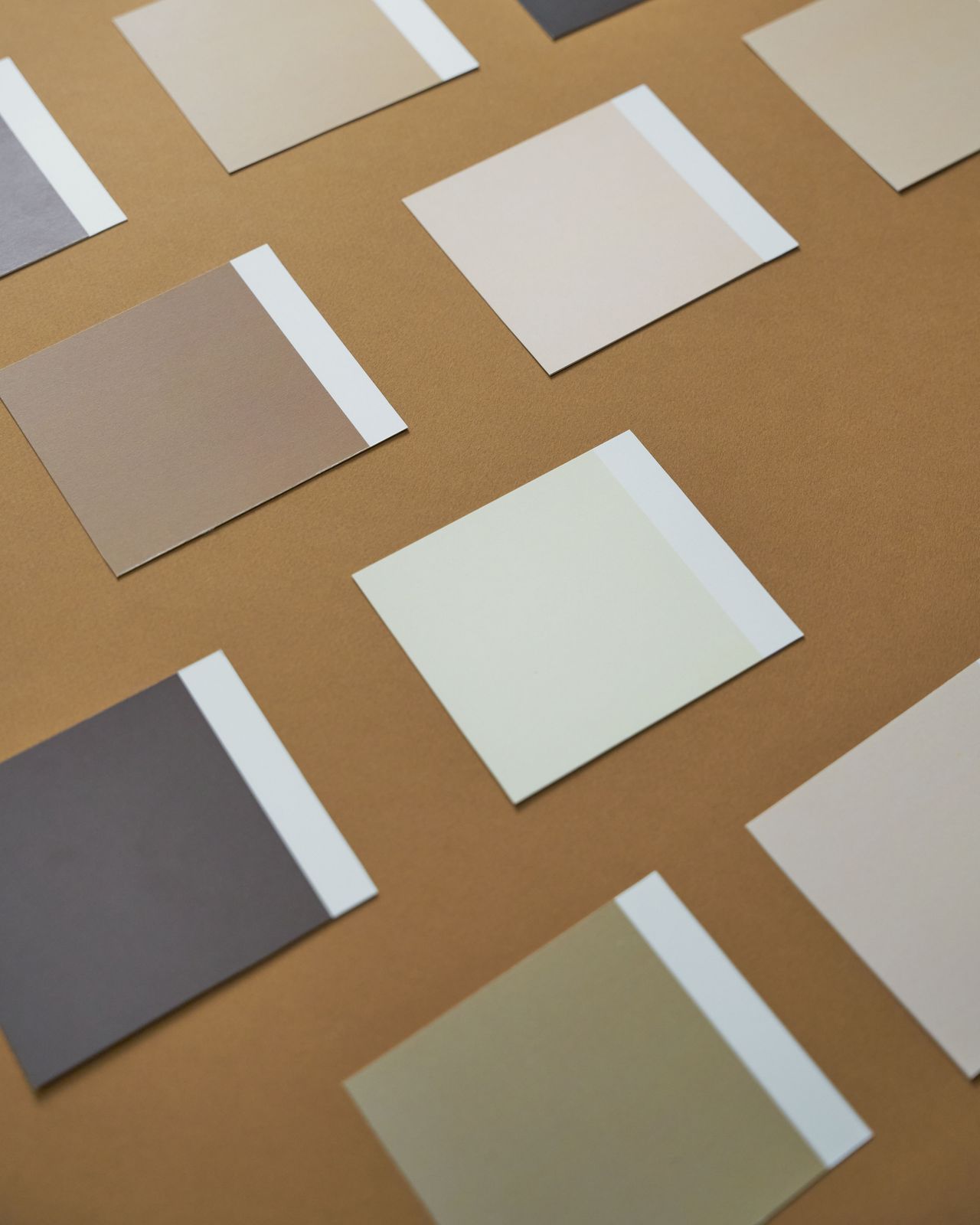
Paint color forecasts across the U.S. have shifted sharply toward warmer, earthier interiors in 2026. That change is showing up most clearly in the growing advice from designers to skip cool gray paint and use khaki, taupe, mushroom, and softened whites instead.
Major paint brands and designers are moving away from cool gray

The clearest industry signal came from paint companies’ 2026 color announcements. Benjamin Moore announced on October 16, 2025 that Silhouette AF-655, a rich espresso-brown with charcoal undertones, would be its Color of the Year 2026, while Sherwin-Williams named Universal Khaki SW 6150 its 2026 Color of the Year and Behr selected Hidden Gem, a smoky jade, for its 2026 program. Taken together, those picks show the largest brands in U.S. residential paint moving away from the cool, pale gray tones that dominated the 2010s and toward warmer, more layered palettes.
Design coverage has followed the same line. In recent 2026 trend reporting, outlets including Elle Decor, House Beautiful, Veranda, Apartment Therapy, and Homes & Gardens have described a retreat from what designers still refer to as “millennial gray.” Homes & Gardens reported in June 2026 that cool gray is increasingly being treated as dated, citing designers who said the shade can read cold, flat, or overused in contemporary interiors. Veranda also reported this spring that cool grays and stark whites are among the paint choices designers are increasingly flagging for retirement because they can flatten a room.
The shift is not absolute, and designers have made that distinction clear. Several recent stories note that warmer, more complex grays still have a place, especially when they lean taupe, greige, mauve, or green rather than icy blue. Homes & Gardens wrote this week that even some gray paints remain relevant if they carry enough depth and warmth. But the version of gray losing favor is the cool, builder-grade wall color that became a default in flips, rentals, and suburban renovations over the last decade.
For homeowners and renters, the practical takeaway is that “gray” is no longer being treated as a safe catchall. The safer recommendation in 2026 is a warmer neutral family that still behaves like a backdrop but does not pull a room colder under LEDs, north light, or open-plan layouts.
The shift is especially visible in everyday U.S. homes and apartment interiors
This trend matters because gray became a mass-market standard, not just a designer preference. Through the 2010s and early 2020s, cool grays were widely used in apartment rehabs, new-build homes, short-term rentals, and resale preparation because they were considered broadly neutral and easy to coordinate with stainless steel, white trim, and stock flooring. The current move away from that look is showing up in the kinds of colors brands are now merchandising and in the language designers are using with clients who want homes to feel warmer on listing photos and in person.
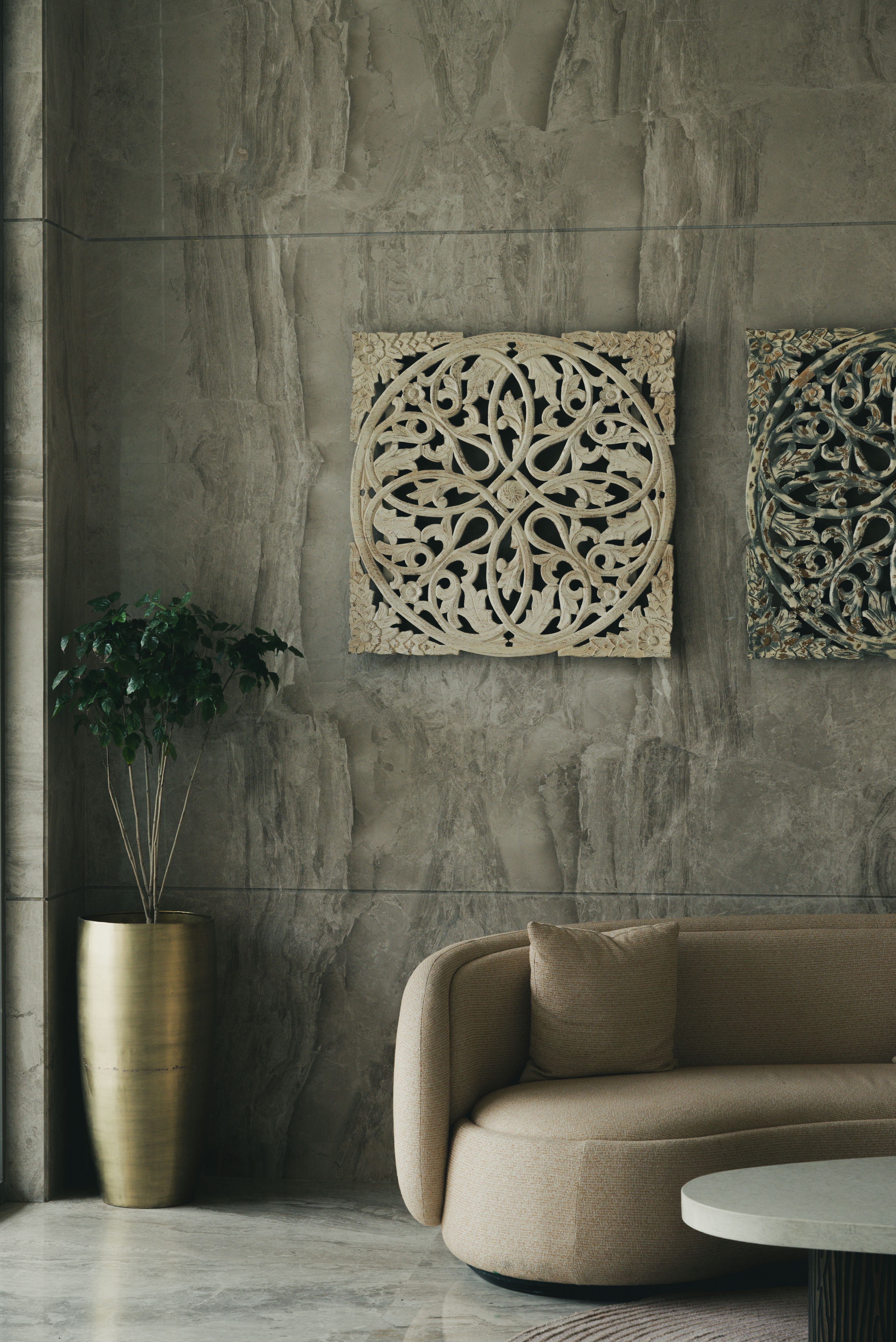
National shelter coverage suggests the replacement colors are not one single shade but a band of warmer neutrals. Homes & Gardens has reported that beige, greige, taupe, putty, and mushroom are replacing steely grays in 2026. House Beautiful described the new preference as “dirty neutrals,” meaning nuanced shades with gray-brown complexity rather than bright white or flat cool beige. Sherwin-Williams is centering that direction with Universal Khaki, while Benjamin Moore’s Silhouette pushes even further into brown. Behr’s 2026 trend palette also points toward warmth and comfort, according to the company’s trend materials.
What remains unconfirmed is how much of the country’s existing gray housing stock will actually be repainted in the near term. Paint makers and designers have clearly outlined the direction of taste, but no nationwide dataset publicly measures how many apartments, condos, or single-family homes are changing wall color this year. There is also no comprehensive public breakdown showing which U.S. regions are abandoning cool gray fastest. What is confirmed is that the conversation has moved from whether gray is still current to which version of neutral now feels more livable.
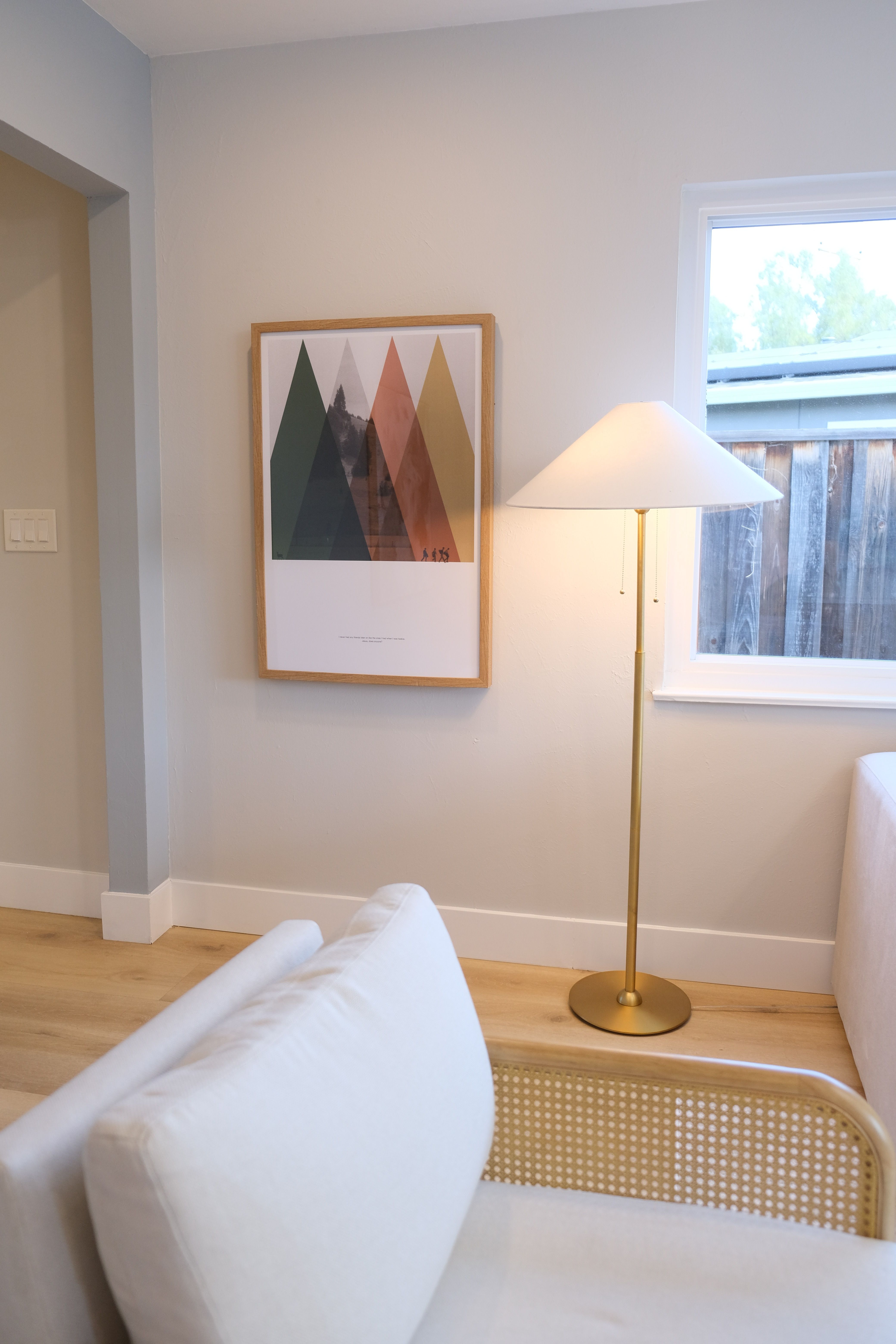
That distinction is important in local housing markets where cosmetic updates affect leasing and resale. A landlord repainting turnover units, a homeowner staging a property, or a buyer planning quick upgrades is now more likely to hear recommendations for warm white, sandy beige, pale khaki, taupe, or mushroom than for icy silver-gray. The old “paint it gray” formula is no longer the default advice.
Brands and designers say the change is being driven by comfort, light, and material trends
The reasons behind the shift are fairly consistent across designer interviews and brand forecasts. Designers told Homes & Gardens and Veranda that cool gray can make rooms feel sterile, drab, or disconnected from the materials that are now popular, including warm woods, natural stone, plaster finishes, and unlacquered metals. Those materials tend to carry beige, tan, honey, rust, and brown undertones. In that setting, an icy gray wall can compete with the room instead of supporting it.
Major brands are also framing 2026 color trends around comfort and grounded living. Sherwin-Williams’ 2026 material describes Universal Khaki as a timeless neutral, while Behr said its 2026 palette reflects a shift toward warmth, comfort, and a touch of playfulness. Benjamin Moore tied Silhouette to a more tailored, lasting interior story rather than a stark minimalist one. Elle Decor similarly reported that designers are seeing clients move away from “millennial grey” and toward richer stains, deeper browns, and high-contrast palettes with more atmosphere.
Lighting is another factor repeatedly cited in design coverage. Cool grays can skew blue, purple, or flat under LED bulbs and lower natural light conditions, which helps explain why warmer off-whites and taupes are being recommended as a lower-risk option. House Beautiful reported that nuanced neutrals are gaining favor because they shift more gracefully throughout the day and add dimension without overwhelming a room. That makes them useful in open-concept homes and apartments where one wall color has to work across multiple exposures and functions.
For residents, the implication is straightforward. Someone repainting in 2026 should expect to see more recommendations for warm white, greige, mushroom, taupe, khaki, and even soft brown than for traditional cool gray. The change does not mean every gray is gone, and some warmer grays are still being endorsed, but the broad industry direction is now clearly toward earthier neutrals that read warmer, softer, and more compatible with current finishes.