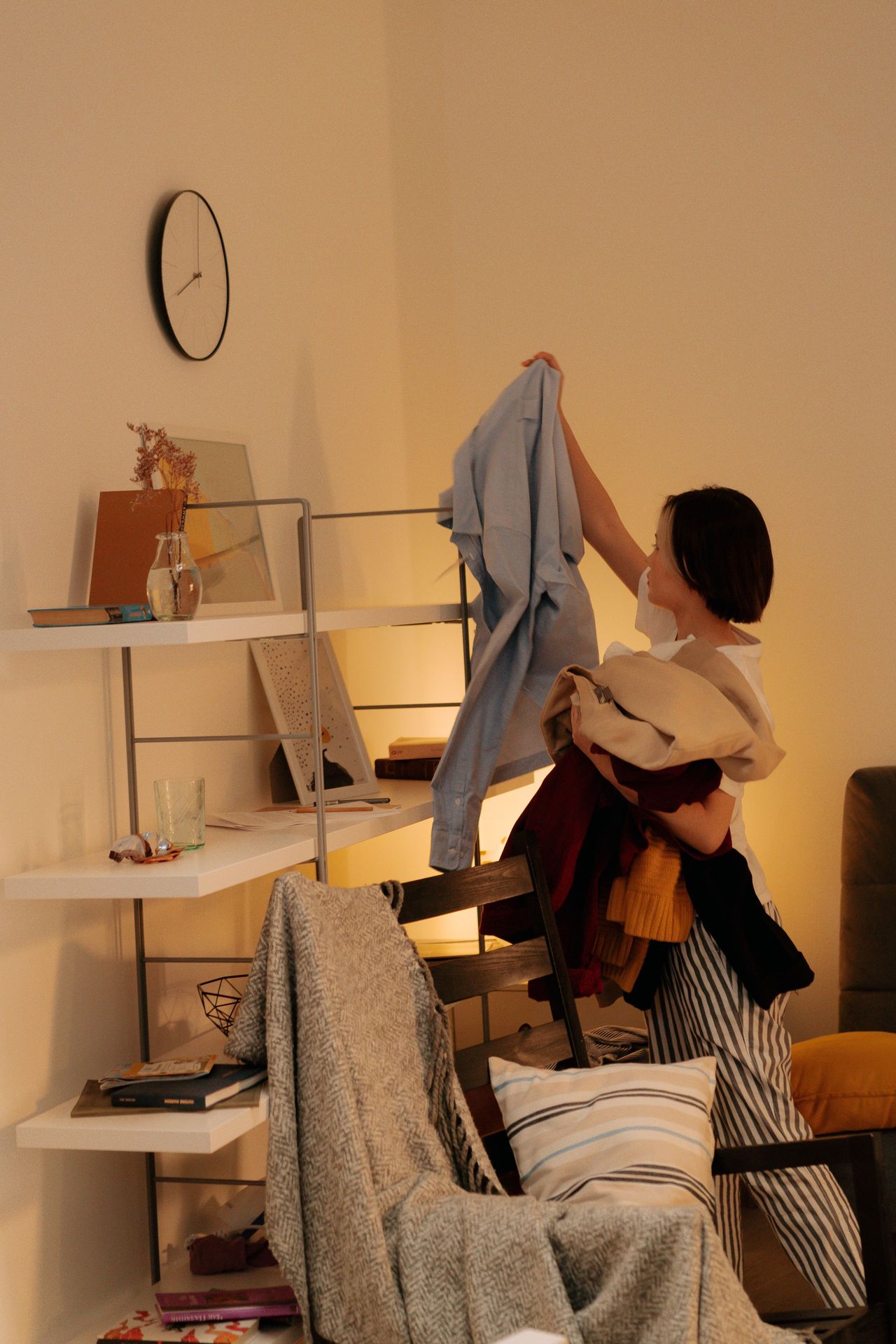
A clean home has become a recurring focus in the broader lifestyle and home-care industry, where organizers, cleaning brands and consumer publications increasingly emphasize routines over occasional deep cleans. Across U.S. households, the specific habit that repeatedly surfaces is immediate reset: putting items back where they belong as soon as they are used.
Professional organizers keep returning to the same habit: immediate put-away
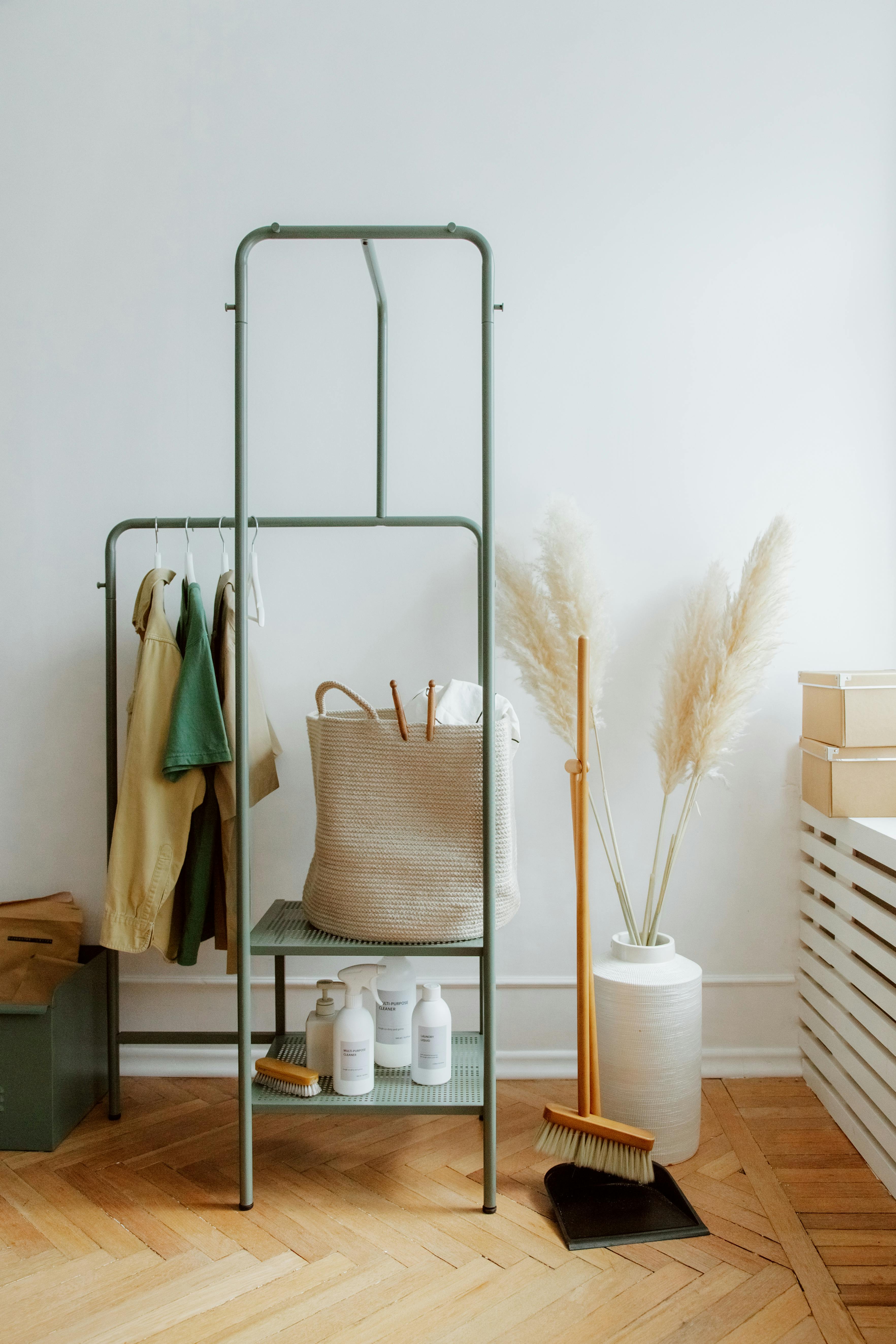
Across recent advice columns, organizer interviews and service-based home guidance, the most consistent recommendation is not a special product or a weekly overhaul. It is the daily act of returning an item to its designated place instead of setting it down on a counter, chair or floor to deal with later. That idea appears in multiple forms, including the “put it away” rule, the “one-touch” rule and “clean as you go,” but the underlying behavior is the same: finish the handling of an object in the moment.
Martha Stewart’s recent reporting on habits in consistently tidy homes framed that behavior as the “put it away” rule, citing professional organizer Nicole Jaques, who said clutter builds through a series of small decisions rather than one large mess. Livingetc has also described the “one-touch” decluttering rule, attributing the concept to productivity consultant Ann Gomez and quoting organizers who define it as completing a task or putting something away before moving on to the next thing. House Beautiful, in a roundup published in 2026, likewise reported that professional organizers rely on systems that give every item a proper home.
That repeated advice matters because it shifts the conversation from cleaning to flow. A home usually looks untidy first because objects accumulate in visible places: mail on a table, shoes by the door, cups on a desk, laundry on a chair, chargers on a counter. Professional organizers say that when those objects are resolved immediately, the home remains easier to maintain even before any formal cleaning begins.
The scale of the recommendation is notable because it appears across outlets with different audiences and editorial approaches. Lifestyle titles, organizer-run businesses and newspaper service journalism all describe small daily resets as more effective than waiting for one large cleaning session. In practical terms, that means the habit is less about perfection than about preventing backlog. Once a backlog forms, the task changes from a 10-second reset to a 30-minute cleanup.
The impact is especially visible in apartments and smaller homes, where surfaces fill fast
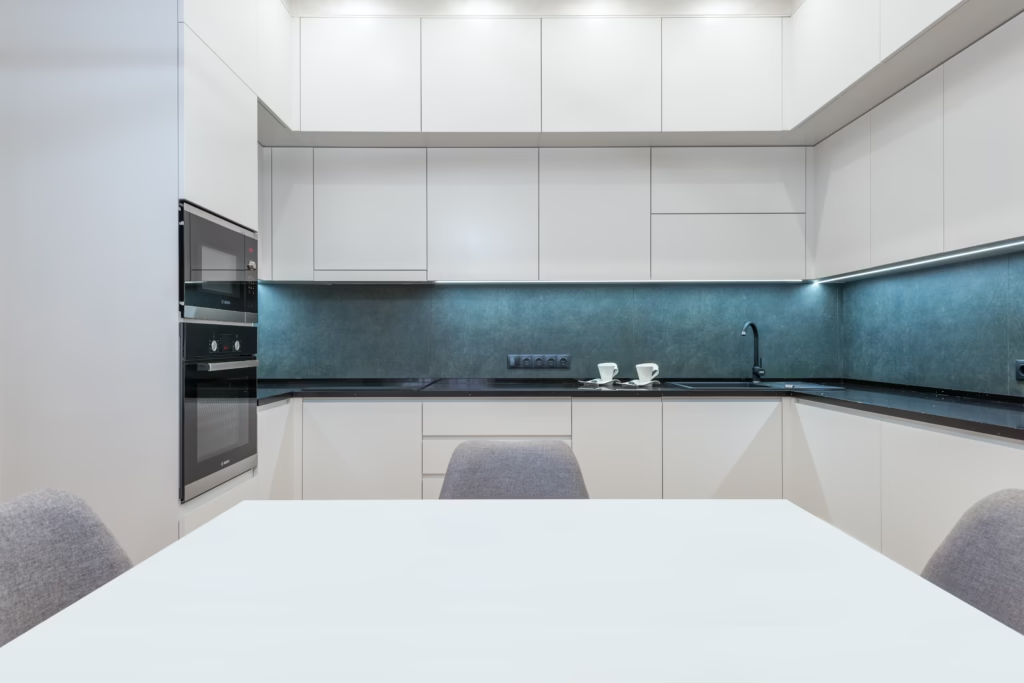
For renters and apartment residents, the immediate put-away habit tends to have a more visible effect because smaller homes offer less buffer for disorder. In a compact kitchen, one unopened package, two pieces of mail and a few dishes can make the room look unfinished. In a studio or one-bedroom apartment, laundry left out or bags dropped by the door can visually dominate the space in a way that might be less noticeable in a larger house.
That is one reason organizers frequently tie clean-home routines to “homes” for objects rather than to square footage or income. If an item has a designated place, it can be reset quickly. If it does not, it usually lands on the nearest flat surface. Recent organizer guidance published by service firms and shelter magazines has repeatedly described counters, nightstands, bedroom chairs and entry tables as clutter “hot spots” because they become temporary holding zones for items that were never fully put away.
The local effect in dense U.S. housing markets is straightforward: visible clutter compounds faster in smaller floor plans. A resident in a city apartment may not need a long weekend cleaning plan to improve the space; they may need a repeatable nightly reset of dishes, clothing, paper and daily-use items. The company and expert commentary reviewed for this article does not produce a comprehensive state-by-state list of where the habit matters most, and no national dataset publicly ranks U.S. states by use of this specific behavior. But the pattern is consistently described in guidance aimed at smaller-space living.
Washington Post home coverage this year also highlighted a similar principle from professional cleaners and organizers, reporting that many experts rely on short daily sessions instead of marathon weekend cleaning. That aligns with what apartment residents often report anecdotally: once clutter is allowed to accumulate in a small space, cleaning becomes harder because the first step is no longer wiping or vacuuming. It is clearing the room enough to begin.
The reason the habit works is simple: it prevents clutter from becoming a second job
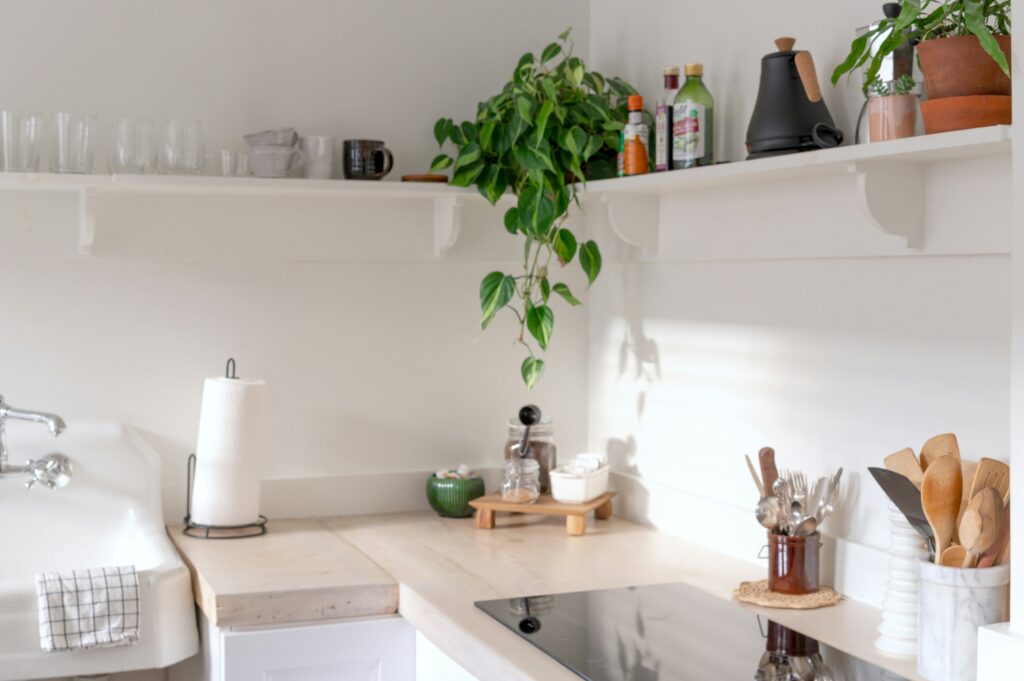
Experts broadly describe the effectiveness of this habit in operational terms rather than emotional ones. Immediate put-away works because it reduces the number of incomplete tasks sitting in plain sight. A mug left on a desk becomes one more thing to move later. A jacket on a chair can turn into a pile. Mail on a counter becomes a stack. By contrast, when each object is handled to completion, the home avoids the chain reaction that makes a space feel messy even when it is not technically dirty.
Organizer advice also suggests the habit succeeds because it requires less energy than delayed cleaning. The first decision is small: hang the coat, file the paper, load the dish, return the remote, put the shoes on the rack. Delaying those tasks creates a larger batch that feels more burdensome later. Several recent home and organizing articles have made the same point in different language, saying that the goal is to reduce friction and make maintenance automatic rather than heroic.
There are also broader industry reasons this approach has gained traction. The home-care market increasingly favors routines that fit work schedules, family caregiving and smaller living spaces. Consumer-facing coverage from outlets such as House Beautiful, Martha Stewart, Livingetc and The Washington Post has emphasized habits that can be repeated daily without special tools, long checklists or expensive storage systems. That makes the advice accessible and easier to sustain than periodic “reset your whole house” messaging.
For residents, the practical takeaway is narrow and concrete. People whose homes stay consistently clean are often not cleaning constantly; they are closing small loops all day long. That means dishes are loaded, papers are sorted, clothing is returned, and surfaces are cleared before mess becomes a project. The result, according to the organizers and home experts cited across this recent coverage, is a home that looks cleaner not because more hours were spent scrubbing it, but because less clutter was given time to settle in.