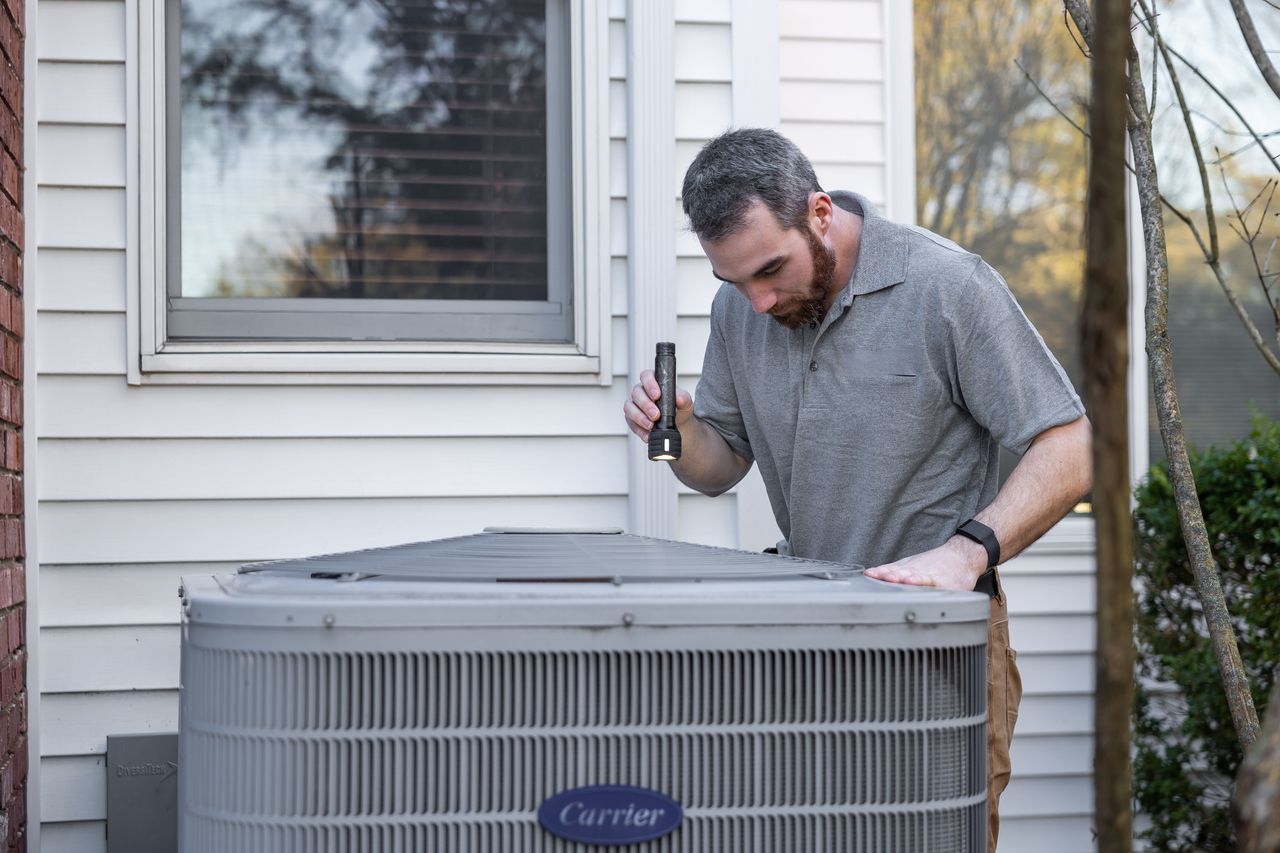
National housing data released by the U.S. Census Bureau and the Department of Housing and Urban Development in September 2024 underscored how many renters are balancing high housing costs with the condition of the homes they occupy. The issue for tenants is that landlord repair duties often extend well beyond what many renters assume, covering conditions tied to safety, sanitation, utilities, and basic habitability under state law.
Federal housing data shows the scale of the issue for millions of renters
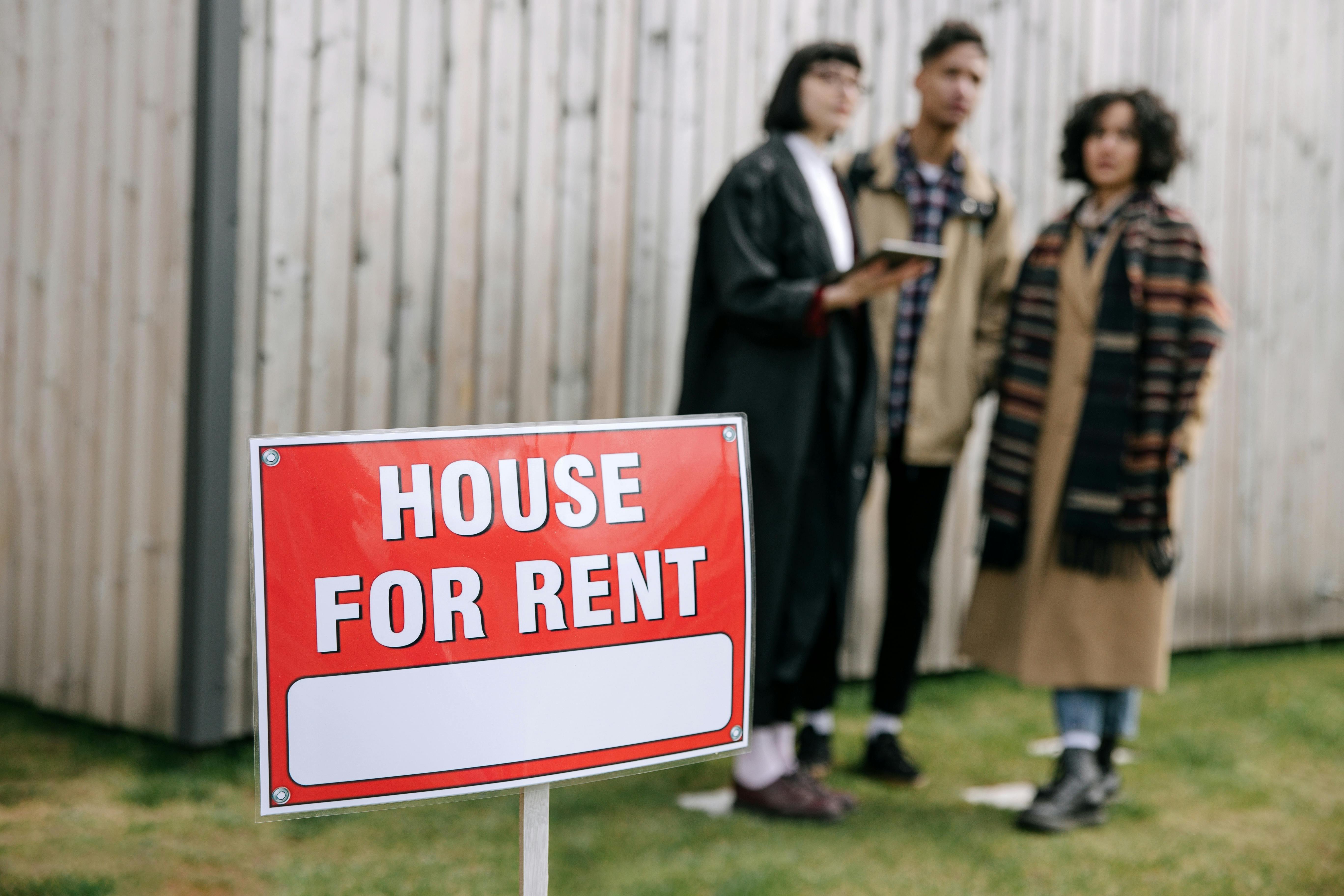
The broadest recent federal benchmark came on September 25, 2024, when the Census Bureau and HUD released new results from the 2023 American Housing Survey, which the agencies described as the nation’s main source of housing quality and condition data. The survey does not count how many renters failed to ask for repairs, but it does confirm the scale of the population affected: the United States has tens of millions of renter households, and separate Census Bureau data released in September 2024 showed 42.5 million renter households in 2023. That matters because repair disputes are not a niche problem limited to a small slice of the market; they sit inside one of the country’s largest consumer relationships, the one between landlords and tenants.
Cost pressure is part of the same story. Census said more than 21 million renter households were cost-burdened in 2023, meaning they spent more than 30% of income on housing, and the median renter housing cost rose to $1,406 from $1,354 after adjusting for inflation. When rent consumes that much of a household budget, tenants may be less likely to push for work they believe could trigger conflict, a lease nonrenewal, or a rent dispute, even when the underlying problem affects habitability.
The legal baseline is broader than many leases suggest. Cornell Law School’s Legal Information Institute says the implied warranty of habitability, recognized in most U.S. jurisdictions, requires landlords to keep residential rentals safe and fit for human habitation even if the lease does not expressly say so. In practice, that generally means essential systems and code-related conditions such as heat, water, plumbing, electrical service, structural safety, pest conditions, and other serious defects are not optional maintenance items when they affect health and livability.
That distinction is central for renters because it separates ordinary wear, tenant-caused damage, and cosmetic preferences from repairs a landlord may be legally bound to handle. Federal housing agencies do not publish a national list that overrides state law, and no single survey captures every unresolved repair complaint. But the available data and the legal doctrine point in the same direction: millions of renters live in homes where a repair issue can be more than an inconvenience and may fall squarely inside a landlord’s legal responsibilities.
What that means in states where repair rights are spelled out more directly

State law determines the exact scope of a landlord’s repair duty, and attorney general guidance in large states shows how specific those obligations can be. In Texas, the Office of the Attorney General states that tenants have the right to demand repair of conditions that materially affect physical health or safety, and justice courts may order repairs up to $10,000. The same office also says landlords may not retaliate for six months after a tenant makes a good-faith repair complaint, a rule that directly addresses one of the biggest reasons tenants hesitate to speak up.
New York states the rule even more plainly. The New York attorney general says every residential lease includes a warranty of habitability, whether written or oral, and that tenants have the right to a livable, safe, and sanitary apartment. The office lists failures such as lack of heat or hot water and unresolved insect infestations as examples of potential violations, and it says tenants may seek a rent reduction if that warranty is breached. In some emergency situations, the state says tenants may make necessary repairs and deduct reasonable costs from rent, though the exact remedy depends on the circumstances.
California guidance also emphasizes retaliation and habitability. The California Department of Justice says it is unlawful for a landlord to try to evict a tenant for asking for repairs or pointing out unlawful conditions, and it directs tenants to state habitability protections. That matters in a state where local rules may add another layer of standards on top of statewide requirements, especially in older rental stock or high-cost markets.
What is not known is how many renters in each state never raise repair requests even when they have legal grounds to do so. No national public database provides a current state-by-state count of unreported habitability complaints, and states do not release a comprehensive list of all privately resolved repair cases. Still, the official guidance from Texas, New York, and California shows that landlord duties are often tied to health and safety conditions, not just whatever a property owner voluntarily agrees to fix.
Why renters often stay quiet, and what residents should realistically expect

The gap between legal rights and actual repair requests is partly explained by housing insecurity. An Urban Institute analysis using Household Pulse Survey data found that one in five renter households reported feeling pressured to leave their home, and 22% of those renters attributed that pressure to a landlord not making repairs. That does not prove every unresolved maintenance problem is unlawful, but it does show that ignored repairs are part of a broader pattern of instability for a meaningful share of tenants.
High rent burdens add to that pressure. Census data showing that nearly half of renter households were cost-burdened in 2023 helps explain why many tenants may weigh the risk of conflict against the need to keep a unit they can still afford. In that environment, renters may tolerate problems longer, assume a lease makes them responsible when it does not, or treat recurring issues such as leaks, pests, failed appliances tied to the lease, or inadequate heat as routine rather than legally significant.
For residents, the practical takeaway is narrower than broad social media advice often suggests. Landlords are generally not responsible for every inconvenience in a rental, and tenants usually remain responsible for damage they or their guests caused, along with housekeeping and other lease-specific obligations. But when a condition affects health, safety, sanitation, or the basic livability of the unit, state law often gives tenants stronger protection than they realize, and several large states expressly bar retaliation for good-faith complaints.
The near-term outlook is not that a single new national rule has changed repair law in 2026. Instead, the significance of the 2024 federal housing release is that it refreshed the scale of the renter population and the condition data behind policy debates, while state agencies continue to publish guidance making clear that habitability is an enforceable standard, not a courtesy. For millions of renters, that means repair responsibility is often defined less by what a landlord prefers to fix and more by what state law requires a habitable home to include.