Across the U.S. design market, hotel-inspired interiors have continued to move into residential spaces as homeowners look for rooms that feel calmer, more functional, and more personalized. One of the clearest examples is layered lighting, a boutique-hotel staple that designers, media outlets, and retailers have all recently identified as a growing home strategy.
Hospitality designers say lighting has become a defining part of the hotel-to-home shift

The broadest verified marker for this shift came on February 5, 2026, when Hospitality Design published its review of the movements that defined hospitality in 2025. In that roundup, advisory board members said luxury hotel design had become more focused on how spaces function and feel over time, with materiality, lighting, and spatial planning being orchestrated to shape a personalized guest journey. The same report said 2025 also deepened the overlap between hotels and branded residences, further blurring the line between home and hospitality.
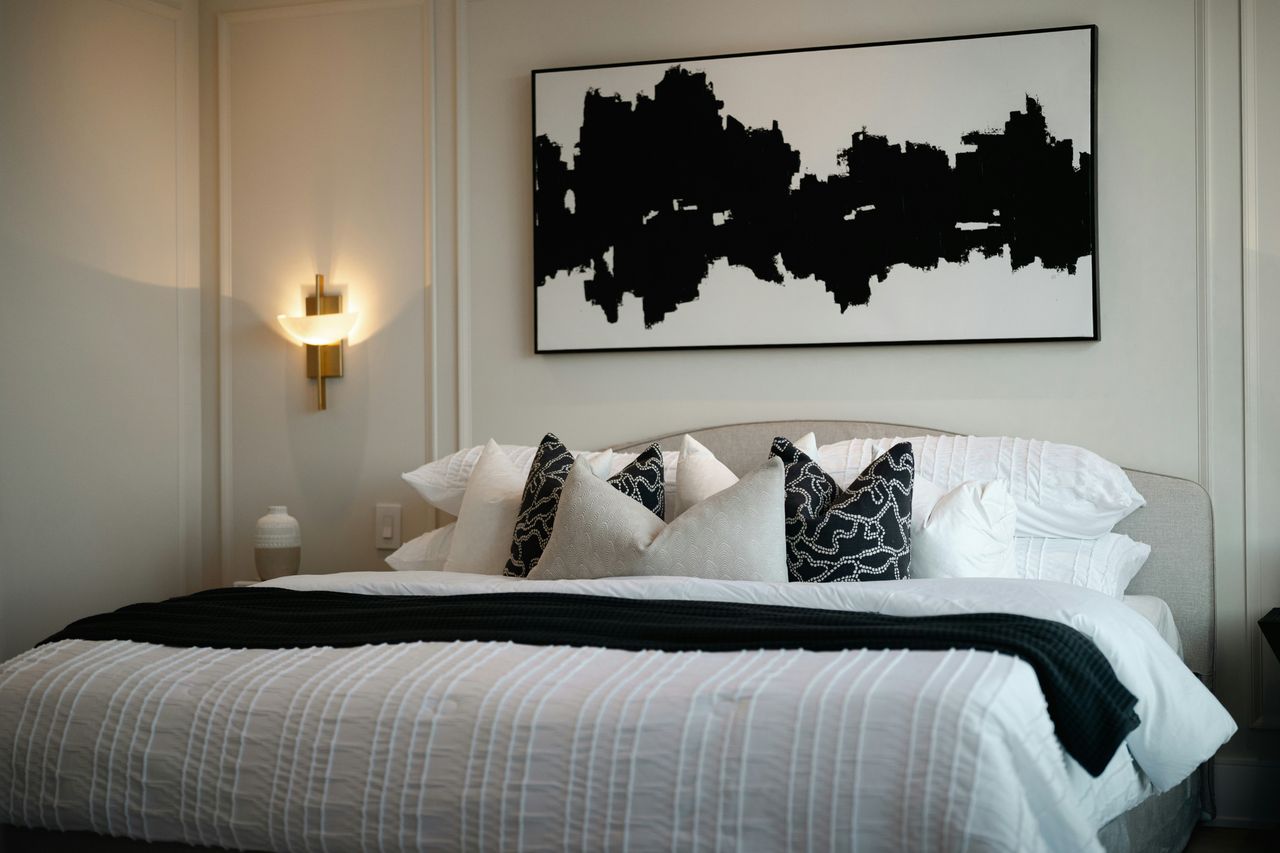
That matters because boutique hotels have long relied on lighting as more than a practical feature. Instead of a single overhead fixture, hotel rooms often combine bedside lamps, reading lights, sconces, dimmable accent lights, and window treatments that let guests manage brightness throughout the day. IKEA’s U.S. business site, in a showcase for a “budget-conscious, boutique hotel room design,” highlights several of those same elements directly: layered curtains with blackout panels and sheers, dimmable lamps, and integrated mirror lighting, all positioned as ways to create a more polished hospitality feel.
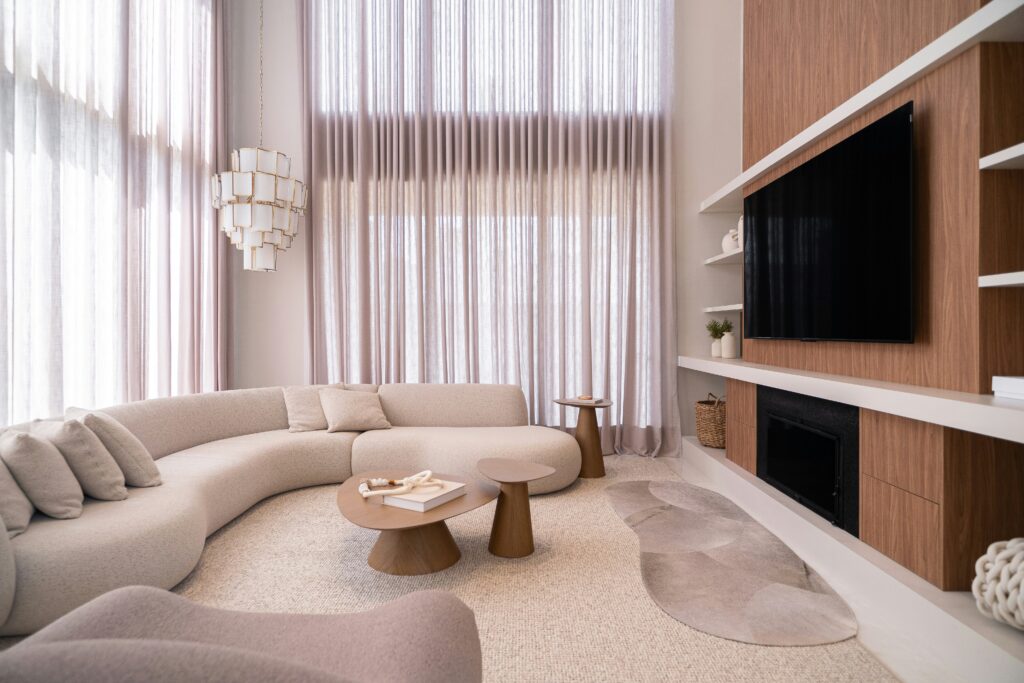
Residential design coverage has started describing the same move in consumer-facing terms. In a June 4, 2026 article, House Beautiful reported that 2026 was shaping up to be “the year of statement lighting,” citing designers who said memorable rooms increasingly use prominent fixtures to set mood and define space. While statement chandeliers are not identical to layered lighting, they support the same design direction: lighting is being treated as a central decorating tool rather than an afterthought. In practical terms, the boutique-hotel trick homeowners are bringing home is not just buying a nicer lamp. It is building a room with multiple light sources that can shift mood, support reading or grooming, and make a bedroom or bath feel more intentional.
The U.S. impact is clearest in bedrooms and bathrooms, though no national count tracks hotel-style lighting alone

What is confirmed nationally is that U.S. homeowners are spending heavily on spaces where hotel-inspired lighting tends to matter most. Houzz’s 2025 U.S. Bathroom Trends Study, published September 23, 2025, was based on a survey of 1,737 U.S. homeowners with recent or planned bathroom renovation projects. That study does not publish a national count for “layered lighting” as a standalone category in the summary page available publicly, but it does document sustained homeowner attention to comfort-focused bathroom upgrades, a setting where hotel-style mirror lights, sconces, dimmers, and softer ambient illumination are commonly used.
The same national pattern appears in editorial coverage aimed at homeowners. House Beautiful framed statement lighting as a defining 2026 trend across multiple room types, and the examples it highlighted included dining rooms, living spaces, staircases, and bedrooms. The implication is broader than a single fixture category: design professionals are using light to anchor rooms, create mood shifts, and tie together open-plan or multifunctional spaces. That is consistent with the way boutique hotels use light to make relatively compact rooms feel layered and usable at different times of day.
Retail merchandising also shows the trick moving into accessible consumer channels. IKEA’s business-facing hotel room concept does not present layered lighting as a luxury-only idea. Instead, it packages blackout-and-sheer curtains, dimmable lamps, upholstered seating, and integrated mirror lighting as scalable, budget-conscious elements. That suggests the trend is not limited to custom designer homes or high-end renovations. At the same time, no public national database appears to isolate how many U.S. households have adopted “boutique hotel lighting” specifically, and retailers have not released a comprehensive count of customers buying products for that exact purpose. What is verifiable is the convergence itself: hotel design media, shelter magazines, and major retailers are all describing light as a mood-setting feature that now belongs in everyday homes.
The main drivers are personalization, comfort, and a larger convergence between hospitality and residential design
The reason this is happening is rooted in how both industries now talk about livability. Hospitality Design reported that leading hotel designers moved away from visual excess in 2025 and toward comfort, craft, emotional resonance, and spaces that feel intuitive and enduring. One advisory board member said lighting and spatial planning were being used to support guest experience over time, not just to create a single visual moment. Another said hospitality design had shifted toward environments grounded in how people live, move, and feel within a space.
That language increasingly matches what residential consumers want. The same Hospitality Design report said branded residences are borrowing the soul and artistry of hospitality while hotel design is responding more directly to residential expectations such as privacy, calm, and craftsmanship. In other words, the traffic is moving both ways. Homeowners are not simply copying hotel decor for novelty. They are adopting hotel techniques because those techniques solve familiar residential problems: overhead lighting can feel harsh, bedrooms often need separate reading and relaxation zones, and bathrooms now function as daily retreat spaces as much as purely utilitarian rooms.
Other recent design coverage supports that context. Veranda reported in January 2026 that homeowners were moving away from catalogue-like rooms and toward a more layered, collected look. Forbes, citing designers in early 2026, described a collapse of traditional boundaries between hospitality, living, working, and socializing. For readers, the practical takeaway is straightforward. A hotel-style room at home increasingly means using several coordinated light sources, often paired with softer materials and adjustable window treatments, rather than relying on one central fixture. No single company has announced a national rollout because this is not a product launch. It is a documented design convergence that retailers, home editors, and hospitality professionals now describe in similar terms.