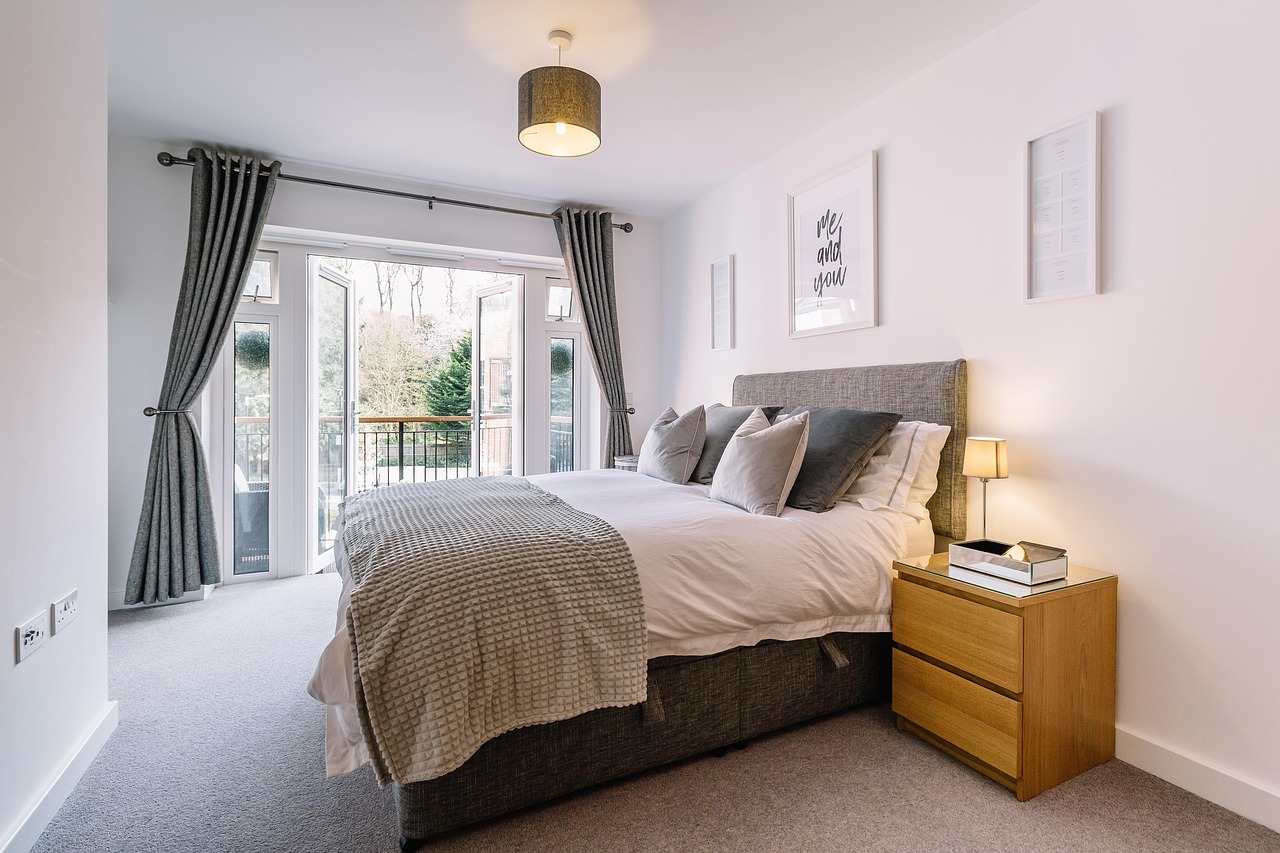
Apartment renters across the U.S. are spending carefully, but current housing and design data show they are still putting money into small upgrades that make everyday spaces feel more finished. In the rental market, the first changes are increasingly focused on lighting, hardware and paint-like surface treatments that can deliver a higher-end look without a full remodel.
Survey data and rental platforms point to lighting as an early, high-impact change

Recent reports from rental and housing companies show that apartment dwellers are not starting with major construction when they want a more upscale feel. They are starting with atmosphere. In Rently’s 2025 Apartment Design and Decor Trends Report, released after a January 2025 Pollfish survey of 500 U.S. adult renters planning to refresh their homes, 79% said they were embracing soft, layered lighting to set the mood, making lighting one of the clearest signals of what renters change first when they want a space to feel more elevated.
The same report found that 46% of renters were focusing on the living room first and 44% on the bedroom, two spaces where lighting has an immediate visual effect. Rently also reported that 50% of renters wanted smart lighting, while 45% planned to refresh a space simply by rearranging furniture and 32% expected to take on DIY projects. Those figures suggest the first wave of change is less about demolition and more about fast, controllable updates that change how a room looks at night, how warm it feels and how intentionally it is staged.
Zillow’s rental research, published January 13, 2025, points in the same direction. The company said app-controlled smart lighting systems were associated with 22% more daily saves and 35% more daily shares on Zillow Rentals, based on listing descriptions from nearly 5.6 million rental homes listed between June 2023 and May 2024. Zillow rental trends expert Emily McDonald said renters may be more likely to win landlord approval when they can show that a change adds style or function, a practical distinction in a market where lease restrictions still limit permanent upgrades.
Design coverage in 2026 has reinforced that pattern. Good Housekeeping, in an April 4, 2026 roundup based on designer interviews, identified statement lighting, new curtains and replacement hardware among the renter-friendly upgrades worth making because they produce a visible change without requiring structural work. Taken together, the reports and expert guidance indicate that when renters want a high-end look quickly, lighting is often the first lever they pull, followed closely by finish details that support the same effect.
In U.S. apartments, the local impact is practical: renters are upgrading what they can remove, reuse or take with them

For apartment dwellers in the U.S., the significance of those first changes is not tied to one city or state as much as it is tied to the constraints of rental housing itself. The available data are national, and the companies behind them have not released a comprehensive state-by-state breakdown showing whether renters in California, Texas, Florida or New York start in different places. What is confirmed is that the first changes tend to cluster around apartment features that are easy to swap, reversible at move-out and visible enough to change the overall feel of the unit.
That is why hardware appears so frequently alongside lighting in rental-focused guidance. Zillow said matte black hardware can help a rental listing get 25% more saves and 49% more shares per day on its platform, underscoring how strongly small finish changes can alter perception. The company also highlighted fresh paint, mirrored walls and wallpaper as lower-cost ways to create a more updated look, though paint and wallpaper typically require more landlord approval than a bulb, lamp or cabinet pull.
The cost profile matters. In the Rently report, 38% of renters said they planned to keep decor spending between $101 and $500, while 29% said they were willing to spend up to $1,000. That budget range helps explain why apartment residents often start with lamps, smart bulbs, sconces that plug in, peel-and-stick products, outlet covers, drapery and cabinet hardware rather than custom millwork or new flooring. These are upgrades that visually read as intentional design, but they generally avoid the expense and lease complications of a renovation.
What is not yet known is the exact sequence inside each apartment. No major national report publicly confirms that a renter replaces overhead fixtures before adding curtains, or swaps hardware before painting an accent wall. But across current reporting, the broad pattern is consistent: renters who want a more high-end space are usually not starting with square footage, and they are not waiting for a new lease. They are improving finish quality, warmth and cohesion in the rooms they use most, beginning with the details that can be installed in an afternoon and taken to the next apartment if necessary.
The broader context is affordability pressure, longer rental stays and a design market built around temporary living

The reason these changes come first is rooted in economics as much as aesthetics. Harvard’s Joint Center for Housing Studies said in America’s Rental Housing 2026 that renter cost burdens reached another record high in 2024, with nearly half of renter households spending more than a third of their income on housing. In that environment, many apartment residents are looking for upgrades that deliver a visible lift without the price tag of ownership-level renovation.
Rently’s findings help explain the decision-making. The company reported that 55% of renters put affordability first when choosing a rental, and 43% cited budget constraints as the biggest hurdle when trying to personalize their homes. At the same time, 65% said they expected to stay in their homes for three or more years. That combination creates a clear incentive: renters need their apartments to feel better for daily life, but they also want the money they spend to remain portable, useful and justifiable over time.
Trend data from Houzz also adds context to what “high-end” means right now. In its 2025 U.S. Emerging Summer Trends Report, Houzz said searches for “copper pendant lighting” rose 3.5 times and searches for “gold bathroom vanity lights” nearly doubled, while interest in brushed gold faucets also increased. Those shifts indicate that consumers continue to associate elevated spaces with layered light and warmer metal finishes rather than just larger rooms or more amenities. For renters, that aesthetic is more achievable through fixtures, shades, lamps and hardware than through permanent construction.
For apartment residents, the practical takeaway is straightforward. The first change most likely to make a rental feel more high-end is the one that improves visual warmth and finish quality without creating move-out risk: layered lighting, upgraded hardware, better window treatments and, where permitted, paint or peel-and-stick wall treatments. Current reports do not show renters abandoning affordability for luxury; they show renters using a limited budget to create a more polished version of the home they already have, with the strongest emphasis on changes that can be reversed, reused and seen immediately.