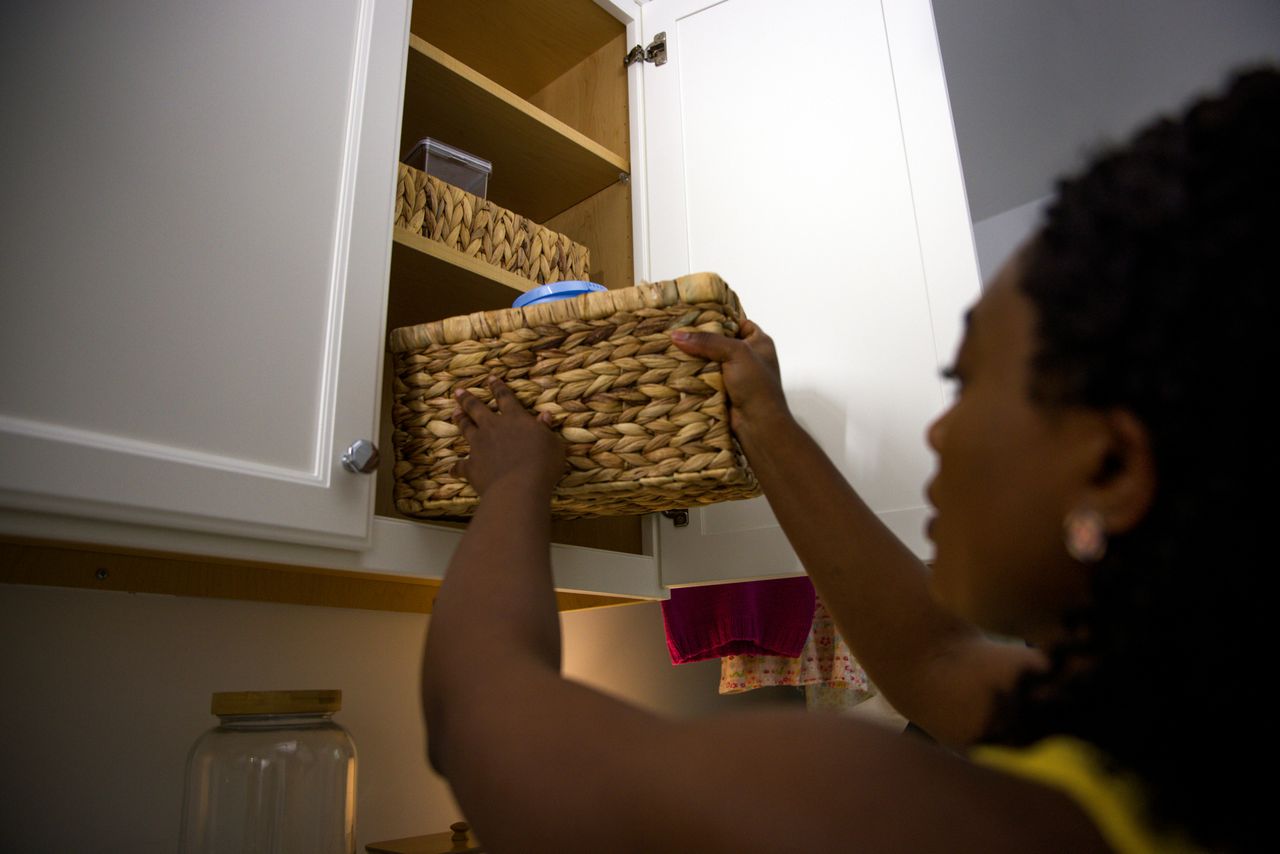
Americans are still spending heavily on products and content tied to home improvement, but organizing advice in 2026 is shifting away from dramatic clean-outs and toward smaller, repeatable routines. That shift is showing up in the rise of “house hushing,” one-drawer resets, and habit-based systems that professional organizers say can reduce clutter without requiring an entire weekend.
Professional organizers are promoting smaller resets, and “house hushing” became a defined 2026 trend

The clearest recent marker for the trend came on February 8, 2026, when Good Housekeeping published a reported piece identifying “house hushing” as a standout organizing method of the year after interviewing several professional organizers. The publication described the approach as a temporary reset of visible items so people can reassess how a space feels and functions, and one organizer characterized it as “hitting the reset button” with intention. That framing matters because it shifts the goal from emptying every closet to making a room calmer and easier to use in a shorter window.
The same broader message is showing up across other 2026 organizing coverage. On January 12, 2026, The Washington Post published advice from professional organizers who said many households make the mistake of buying bins before sorting and that people should begin with one drawer or one shelf at a time. That one-area-at-a-time approach is substantially smaller in scale than the traditional whole-room or whole-house decluttering session that has long dominated organizing media.
Additional reporting in 2026 has reinforced the idea that maintenance, not marathon purges, is becoming the center of home organization advice. Good Housekeeping’s April 1 report on the “one in, one out” rule described the method as a way to keep clutter from building after an item enters the home, while another February report quoted organizers saying lasting organization depends more on habits than on products. In practice, that means the “new way” is not a single branded system but a set of smaller actions: clearing one surface, resetting a trunk organizer, editing one shelf, or removing a duplicate item before clutter expands.
That collection of methods gives the trend measurable shape even without a central trade group tally. The verified scale comes from the volume of recent national coverage and the number of organizers quoted across it, including at least six professionals in one February feature and more than 15 designers in separate 2026 home-trend reporting tied to broader household behavior. What is confirmed is that organizing guidance in 2026 is increasingly being packaged as quick, repeatable resets rather than a once-a-season overhaul.
The practical impact is local: smaller homes, busier schedules, and room-by-room systems that fit everyday life

For residents, the local significance of this trend is practical rather than regulatory. Most households do not need a professional organizer or a full-room renovation to use the methods now being recommended nationally, because the advice centers on visible surfaces, single storage zones, and repeat routines that can be applied in apartments, suburban homes, and shared family spaces. The reported examples are notably modest: a junk drawer, kitchen cabinet, entryway drop zone, car trunk organizer, or overstuffed closet shelf.
That matters in places where space is limited or where households are balancing work, commuting, school schedules, and rising everyday costs. Good Housekeeping’s June 4, 2026 report on what to throw out in June quoted organizer Victoria Tran describing the month as a “natural reset point” for many homes, especially as the school year ends and summer routines begin. The examples in that report focused on small categories such as worksheets, kids’ artwork, and seasonal clutter, underscoring that the organizing push is increasingly tied to calendar-based maintenance rather than one major purge.
There are still limits to what is publicly known. No national database tracks how many Americans are using “house hushing” specifically, and no major retailer or trade group has released a comprehensive public count of households adopting one-drawer or one-shelf reset systems. The available evidence instead comes from recent reporting, expert interviews, and retailer-adjacent organizing content that consistently points in the same direction: people are being encouraged to build lighter systems they can repeat.
Compared with older decluttering models, the resident-facing difference is time and visibility. The newer advice tends to prioritize areas people touch daily, such as countertops, mail piles, pantry shelves, and bedroom surfaces, rather than storage zones that can take hours to sort. Organizers quoted in 2026 reports have repeatedly warned that buying products before editing belongings can create more clutter, so the local impact may be less about spending on storage and more about reducing friction in daily routines with smaller, lower-cost changes.
The broader context is habit formation, product fatigue, and a push for systems that people can maintain
The cause of the shift is also consistent across recent reporting. Organizers interviewed by Good Housekeeping in February said lasting organization is more about habits than products, and The Washington Post’s January reporting similarly stressed that people often purchase bins and baskets before they have decided what should stay. Those two strands point to a broader industry correction: the problem is no longer framed simply as a lack of storage, but as a mismatch between household habits and the systems meant to support them.
Professional organizers also tied clutter growth to duplication and poor visibility. In a June 8, 2026 Good Housekeeping report, organizer Sara Bereika said households often buy duplicates because they do not know what they already own or cannot find it when needed. That is a direct explanation for why one-shelf resets and category edits are gaining traction. If the issue is retrieval and awareness, then a short reset that restores visibility can be more useful than an exhausting full-home clean-out that is difficult to maintain.
Another piece of context is the emotional barrier attached to large decluttering jobs. A December 7, 2025 Good Housekeeping report on stress-free decluttering quoted organizer Rachel Rosenthal on the embarrassment people can feel about clutter, while a February 2, 2026 feature on decluttering rules emphasized starting with very small spaces and treating decluttering as an ongoing lifestyle rather than a one-time project. That guidance helps explain why shorter resets are resonating: they lower the activation energy required to begin and reduce the likelihood that a person will abandon the project halfway through.
For customers and residents, the takeaway is straightforward. The current organizing model being promoted by mainstream outlets and professional organizers does not require a full weekend, a major shopping trip, or a whole-house purge to begin. What people should expect instead is continued emphasis on recurring micro-projects, visible-zone resets, and maintenance rules such as one-in, one-out, all rooted in the idea that organization works best when it can be repeated on an ordinary weekday.