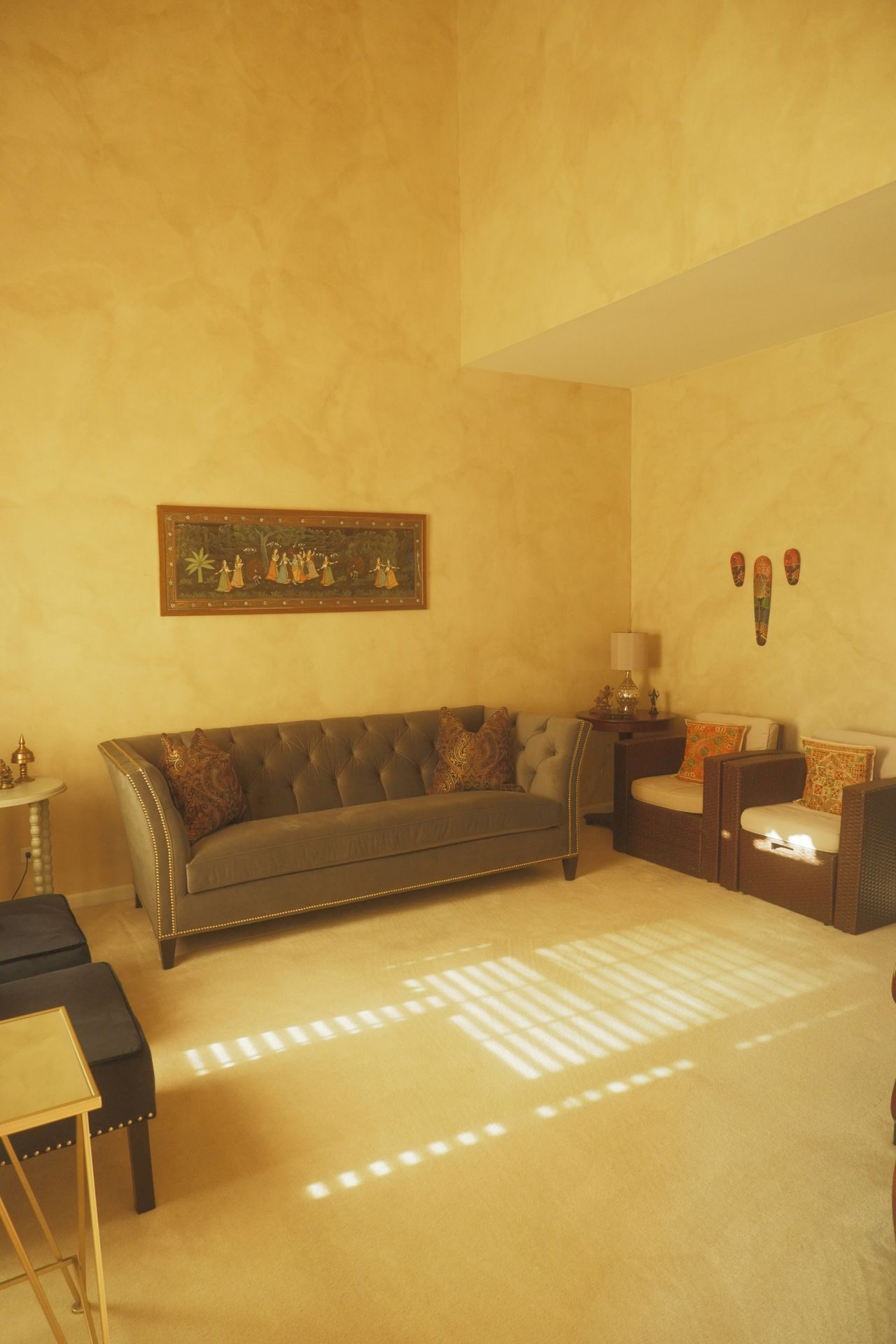
National home design data is showing a clear turn away from the cool, uniform palettes that defined much of the past decade. In 2026, the specific look drawing the most pushback from designers is millennial gray, the all-over cool-gray decorating style that many homeowners are now replacing with warmer and more individualized interiors.
Designers and housing platforms are documenting a measurable shift away from millennial gray

The strongest numerical signal comes from Fixr’s 2026 Interior Design and Color Trends Report, which surveyed 86 interior design experts and found that 93% said millennial gray is out of style in 2026. The report, published in late 2025 for the 2026 trend cycle, identified cool-toned gray interiors as one of the clearest examples of a look professionals believe has peaked. Domino, which reported on the survey in January 2026, said the consensus among designers was unusually broad.
That assessment lines up with broader market reporting from home design and real estate companies. Zillow said in its 2026 home trends release on October 15, 2025, that neutral palettes are giving way to more vivid statement shades, with buyers and homeowners leaning toward color-drenched, whimsical and personality-rich spaces. Houzz reinforced that direction in its 2025 U.S. Fall Design Trends Report, where designers and construction professionals said more homeowners are embracing bold choices, statement ceilings, playful patterns and expressive details rather than resale-driven, safer design decisions.
Consumer and renovation activity also helps explain why the shift matters beyond style forecasting. Houzz said its 2025 U.S. Houzz & Home study drew from 21,889 users, including 10,981 renovating U.S. homeowners, and found that 54% of homeowners undertook renovation projects in 2024 while another 54% tackled decorating projects. That scale means a change in designer preferences can translate quickly into paint, furnishing and finish decisions across a large section of the housing market.
Mainstream shelter coverage has moved in the same direction this year. Good Housekeeping reported on January 16, 2026, that designers are moving away from minimalism, bland beige, matte black hardware and modern farmhouse, all of which are tied to the same restrained, highly standardized aesthetic that helped gray dominate interiors for years. Together, those reports show that the move away from gray is not a single-editor opinion piece but a pattern appearing across design surveys, homeowner platforms and consumer-facing housing coverage.
The change is playing out inside everyday homes, but the full scope of repainting and remodeling is not publicly tracked

What is confirmed is that homeowners are not just talking about this shift in abstract terms. Houzz’s fall trends report said professionals are seeing more interest in jewel tones, wallpaper, painted doors, statement stone, handcrafted tile and layered textures including plaster, grasscloth and fluting. The report described texture as “the new neutral,” a phrase that captures how designers are replacing flat, cool-gray rooms with materials and finishes that still feel versatile but create more warmth and depth.
Zillow’s housing trend reporting points to a similar change in what buyers respond to visually. The company said its 2026 trend forecast reflects growing interest in rooms that feel personal rather than generic, with bold paint and distinctive details increasingly used to define a home’s character. That matters because many gray-heavy interiors were originally chosen for broad appeal during resale, renovation and house-flipping cycles, not necessarily because owners wanted to live with a cool monochrome scheme long term.
There are limits to what public data can confirm. No major national housing platform has released a comprehensive count of how many U.S. homes have already repainted gray interiors or fully removed gray-toned flooring, cabinetry or furnishings. The available reports show directional change in designer recommendations, homeowner searches and stated preferences, but they do not provide a complete national inventory of affected homes or a state-by-state breakdown of where the retreat from gray is moving fastest.
Even so, several indicators suggest the shift is reaching ordinary households rather than staying confined to luxury design. Zillow’s 2025 Consumer Housing Trends material said painting interior rooms remained one of the more common seller updates, rising from 32% to 34% from 2024 to 2025. That does not isolate gray repainting specifically, but it shows that paint remains one of the most accessible ways homeowners change how a property is perceived. In practical terms, gray’s decline is likely to show up first in wall color, trim, cabinetry and décor before it is reflected in more expensive renovations.
Designers say the gray era is fading because homeowners want warmth, individuality and longer-lasting choices

The reasons cited by designers are notably consistent. Fixr’s report said color is returning to interiors, with experts describing 2026 as a year of richer palettes and less dependence on stark neutral schemes. Domino summarized the mood as a rejection of impersonal, builder-grade design, while Houzz said the latest shift reflects a move away from resale-driven decisions toward designs that feel unique and emotionally resonant to the people living in them.
That helps explain why millennial gray is being treated as more than just an outdated paint color. Designers increasingly connect it to a larger period of interiors shaped by fast trend cycles, social media sameness and the idea that homes should resemble clean, photo-ready showrooms. Good Housekeeping quoted designer Jessica Hobson saying layered spaces that play with scale, color and pattern are taking center stage in 2026, while Anastasia Casey said homeowners are moving away from neutral-on-neutral interiors toward rooms punctuated with color and whimsy.
The economic backdrop also matters. When homeowners do spend on decorating or renovating, many appear to want choices with more staying power. Good Housekeeping reported that designers expect less fast furniture and more interest in pieces with longevity, while Houzz’s trend coverage emphasized handcrafted materials, integrated features and one-of-a-kind details. A cool-gray room once signaled updated and marketable; now, according to these reports, it can signal a home tied too closely to the 2010s.
For residents, the near-term implication is straightforward: homes with gray walls, gray-washed floors and heavily monochrome finishes are not obsolete, but they are no longer where many designers are steering clients. The current guidance from major design and housing platforms points toward warmer neutrals, saturated colors, texture and rooms that feel more specific to the homeowner. As Zillow and Houzz both indicate, the broader market is rewarding personality and comfort over uniformity, and that is likely to shape how homes are refreshed through the rest of 2026.