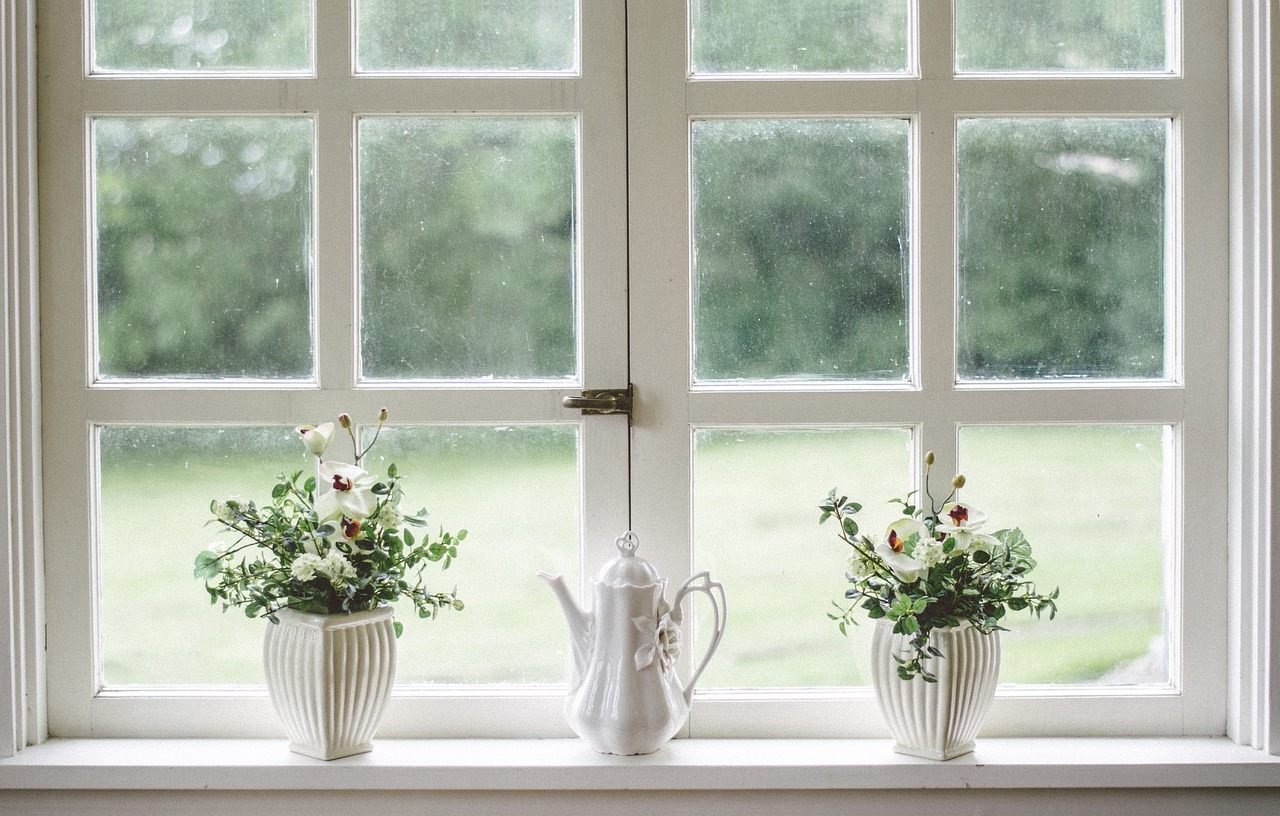
Americans continue to spend heavily on storage, organization and home design, even as research on stress at home suggests that visual perfection is not the only factor shaping how a space feels. The more specific finding is that some slightly messy homes still register as calming because researchers have linked stress less to minor disorder itself than to whether residents experience the home as chaotic, unfinished or hard to use.
Research points to “restorative” homes, not flawless ones

One of the clearest studies behind this idea came from UCLA researchers Darby Saxbe and Rena Repetti, whose findings were published in 2009 in the journal Social Science & Medicine. According to the PubMed summary of the paper, the researchers analyzed self-guided home tours from 60 dual-income spouses and tracked language tied to clutter, unfinished spaces, restful words and nature-related words. Over three weekdays after those tours, wives who described their homes in more stressful terms showed flatter daily cortisol patterns, while wives whose descriptions reflected a more restorative home environment showed steeper cortisol slopes, a profile associated with healthier stress regulation. The study did not conclude that every messy room raises stress in the same way. Instead, it measured how people interpreted and described their own homes, which is a crucial distinction when explaining why one lived-in house can feel soothing while another feels draining.
UCLA later highlighted related findings from its Center on Everyday Lives of Families, which studied 32 Los Angeles households in depth. In a UCLA overview of that work, researchers reported that mothers often used terms such as “mess,” “chaotic” and “not fun” when describing their homes, and the project identified a link between those stressful descriptions and cortisol patterns. The same UCLA reporting also documented the scale of accumulation inside middle-class homes, including a finding that cars had been pushed out of 75 percent of garages in the sample to make room for stored possessions. That detail matters because the research separated ordinary family clutter from a broader condition of overflow, crowding and constant management. A few toys on a coffee table or mail on a counter is different from a house that feels permanently overrun.
What emerges from that research is a more precise definition of calm. A relaxing home is not necessarily a spotless one; it is one that residents can read quickly, move through easily and describe in terms that signal rest rather than overload. In practical reporting terms, the “surprising reason” some homes still feel good when they are slightly messy is that people appear to respond strongly to perceived chaos, unresolved tasks and lack of control, not simply to the presence of visible belongings. When the environment still feels coherent and usable, a small amount of mess may not carry the same biological or emotional weight as true disorder.
The local lesson from Los Angeles homes: function mattered more than perfection

The UCLA family-life research is especially useful because it was grounded in a real metro area rather than a lab simulation alone. The Center on Everyday Lives of Families examined households in Los Angeles, giving the study a local dimension within a region known for large homes, consumer storage habits and intense family schedules. According to UCLA’s summary, the homes functioned as sites for multiple overlapping activities, with family possessions spilling across rooms and, in many cases, beyond the formal storage built into the house. The researchers did not publish a simple ranking of “clean” versus “dirty” homes in the way lifestyle content often does. What they documented was a landscape of everyday use, where stress rose alongside the sense that possessions and tasks were overtaking the home’s intended functions.
That distinction helps explain why many residents report feeling comfortable in homes that are visibly lived in. A dining chair with a sweater on it, books stacked on a side table or children’s art on the refrigerator may register as evidence of active life rather than disruption. By contrast, blocked surfaces, inaccessible storage, crowded pathways and spaces that feel perpetually unfinished can signal that the home is demanding labor rather than offering recovery. The UCLA-PubMed study supports that interpretation because it focused on the emotional language people used during home tours, including “restorative” versus “stressful” descriptions, rather than on a universal visual threshold for mess. In other words, the same amount of visible stuff may feel manageable in one household and exhausting in another depending on layout, routines and expectations.
What is not known from the UCLA work is a national cutoff point at which clutter becomes harmful for every household, or a single rule that applies equally across family structures, income levels and housing types. The sample sizes were limited, and the Los Angeles families studied were dual-income households rather than a full cross-section of American homes. Still, the research offers a grounded local insight with national relevance: residents may benefit more from homes that feel navigable and complete enough than from homes engineered to look untouched. That is a narrower and more evidence-based conclusion than the broader claim that all mess is stressful.
Why the feeling of calm breaks down when mess becomes chaos
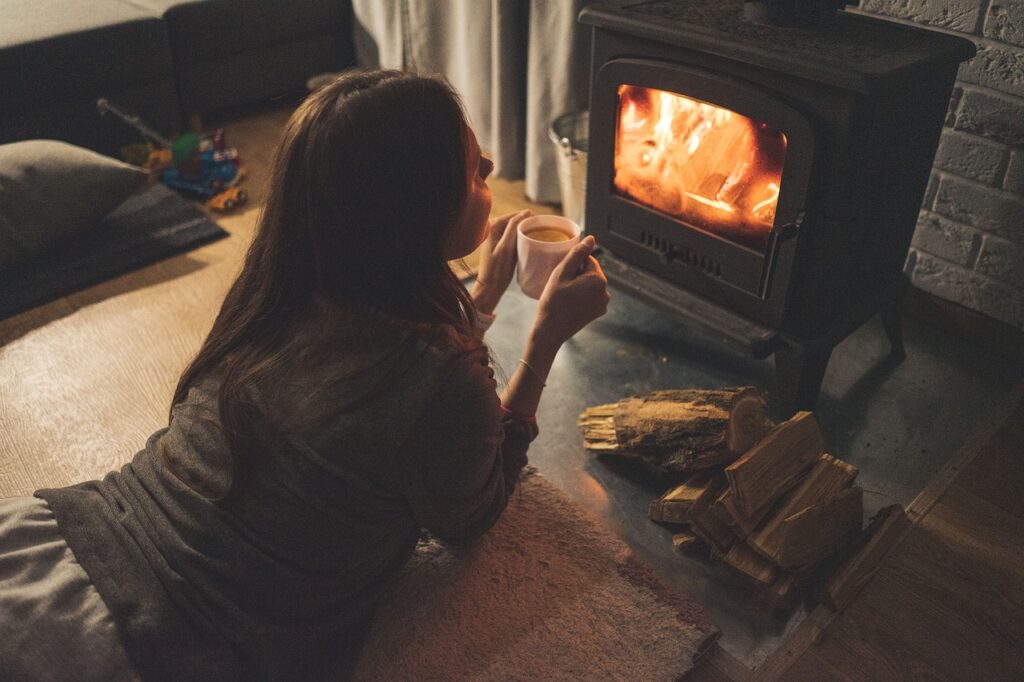
The broader context is that chronic stress appears to be tied not just to objects in a room but to the mental load those objects represent. UCLA’s coverage of the CELF findings said the pressure of managing the volume of possessions in many homes was substantial enough to elevate stress hormones for mothers in the study sample. That aligns with the 2009 Saxbe-Repetti paper, which connected “stressful home” language with cortisol patterns and “restorative home” language with healthier daily decline in cortisol. Together, those findings point to a mechanism: homes feel less relaxing when visible disorder signals unfinished work, unresolved decisions or ongoing conflict over use of space.
Additional research reinforces the idea that “household chaos” is different from ordinary mess. A 2022 experimental study indexed in PubMed examined the causal effect of household chaos on stress and caregiving and found evidence that more chaotic household conditions can increase stress responses. That does not mean every untidy room causes harm, but it does support a distinction between mild clutter and environments characterized by noise, unpredictability, crowding and disruption. In reporting terms, that is the key context readers often miss when comparing immaculate design images with real homes. A calm home can include signs of daily life; what tends to undermine relaxation is an environment that constantly interrupts attention and makes basic routines harder to complete.
For residents, the practical implication is modest but clear. Research supports the view that the homes people experience as relaxing are often those that remain legible, functional and psychologically “finished enough,” even if they are not perfectly tidy every hour of the day. The evidence does not support a requirement for showroom-level order, and it does suggest that reducing overload, preserving clear-use zones and limiting the sense of constant unfinished business may matter more than eliminating every visible object. That is a factual, research-based explanation for why some slightly messy homes still feel restful when people walk through the door.