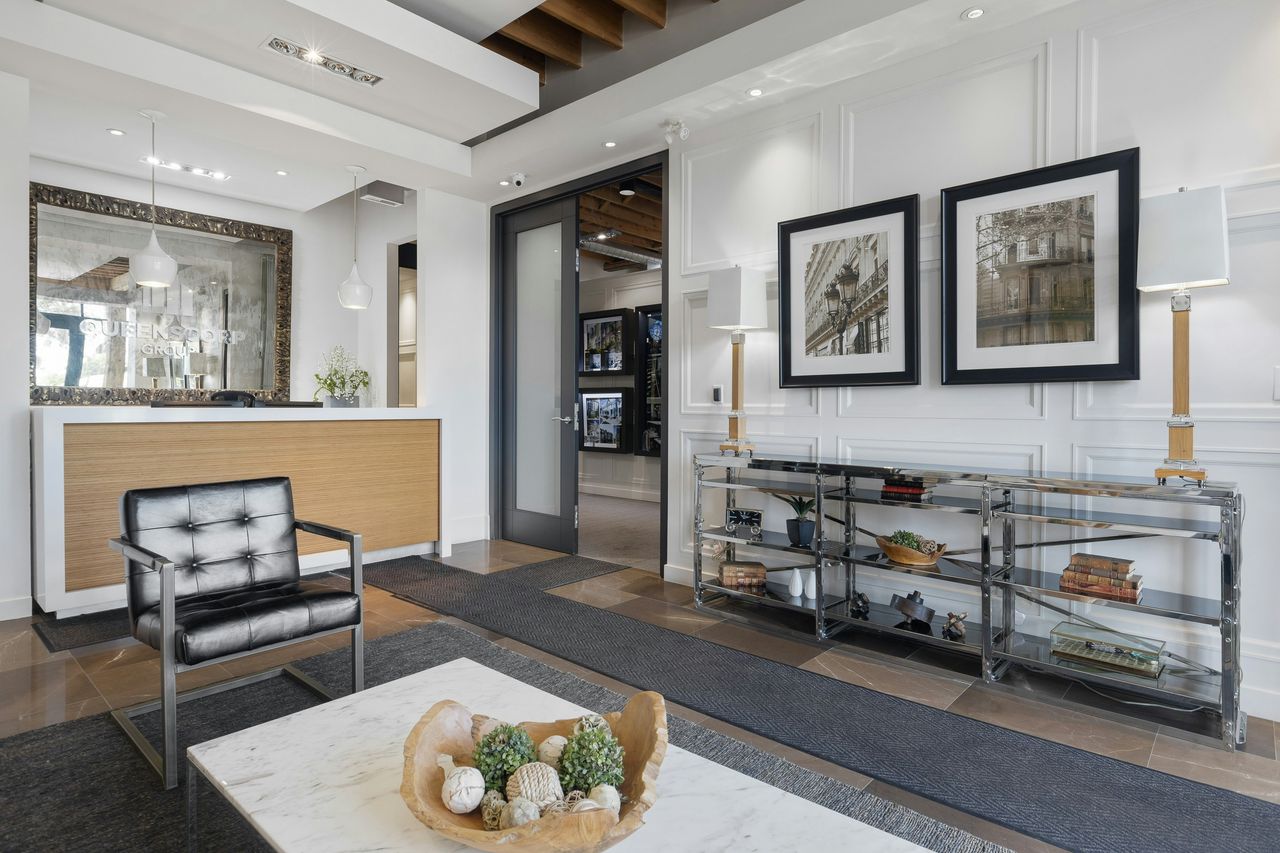
First impressions have become a larger part of how Americans judge homes, especially as staged interiors and design-forward listings shape expectations nationwide. In that environment, the one thing guests are most likely to notice within the first 30 seconds is not a single piece of furniture but the condition of the entryway, where clutter, lighting, and scent register immediately.
The entryway has become the home’s fastest first impression

The clearest recent evidence comes from the National Association of Realtors, which on May 6, 2025 released its 2025 Profile of Home Staging and said buyer expectations are increasingly shaped by polished, highly styled interiors. NAR reported that 48% of respondents said buyers expected homes to look like they were staged for television, while 58% said buyers were disappointed when homes did not match those expectations. In the same release, the trade group said 83% of agents believe staging helps buyers picture themselves living in a home, underscoring how quickly early visual cues affect perception.
That report focused on selling homes, not everyday social visits, but the lesson overlaps with how guests experience a residence. The first visual zone most visitors encounter is the foyer, hallway, or immediate doorway area, and that space communicates whether the home feels orderly, bright, and maintained. In practical terms, that means guests are often reacting first to the entry sequence rather than to a living room across the house or a kitchen they have not yet reached.
Design and real estate coverage has echoed that point for years. Apartment Therapy, citing professional stagers, described the entryway as the most important space for making a good first impression and said clutter, dark lighting, and oversized furniture are recurring problems at the door. The Washington Post similarly reported that the entry area is the one place guests are guaranteed to see and functions as the first aesthetic signal for the rest of the home.
The takeaway is that when people ask what guests “always notice,” they are usually talking about a cluster of signals concentrated in one place. The entryway is where people register whether shoes are piled up, mail is stacked, pet odors linger, or the lighting is dim. Those details are processed almost instantly, which is why the answer is less about a designer sofa and more about the front-of-house experience people meet as soon as the door opens.
What people actually notice first: clutter, light, and smell near the door

Reporting from home stagers, agents, and cleaning experts points to three factors that dominate that first half-minute: visible clutter, inadequate lighting, and odor. Apartment Therapy’s interviews with stagers highlighted clutter at the entrance as a major turnoff because it makes a space feel chaotic and cramped. The publication also noted that poor lighting in an entryway can make the space feel uninviting, especially in homes without strong natural light.
That assessment lines up with broader cleaning advice aimed at real-world visitors rather than buyers. In an April 29, 2025 report, The Washington Post said that if someone is rushing to make a home presentable, the priority is often perception, not deep cleaning. The article specifically described entryways piled with shoes and other items as one of the fastest ways a home can look disorderly, and it also recommended turning up the lights because brightness changes how clean and welcoming a room appears.
Odor is the other factor that guests often register before they consciously identify it. NAR’s March 5, 2026 roundup of home-showing mistakes said lingering pet or musty smells can work against a property immediately, and noted that overusing scented products may not solve the underlying problem. While that guidance again comes from home sales, it is relevant to social visits because smell is one of the few environmental cues that reaches a visitor before they have time to inspect details visually.
Real estate agents cited by Apartment Therapy have also said they notice elements like flooring condition, smell, and lighting the moment they walk in. That does not mean every guest is making a formal inspection, but it does show how quickly people build an impression from the surfaces and atmosphere closest to the front door. In everyday terms, guests tend to read a home’s condition through the same lens: whether the entrance feels open, clean, and easy to move through, or whether it feels dark, crowded, and neglected.
For many homes, that means the “one thing” guests notice is best understood as the state of the entryway itself. If the doorway area is clean, lit, and free of obvious clutter, visitors are more likely to read the rest of the home positively. If that first zone is messy or stale, it can shape the mood of the visit before anyone reaches the sofa.
Why the front-door zone matters more now, and what it means for residents

The reason this matters more now is tied to a broader rise in visual expectations. NAR said television and online presentation continue to influence what people think homes should look like, and its 2025 staging report found that many buyers arrive with elevated standards. Even outside a sale, those same expectations spill into ordinary life because social media, short-form video tours, and design content have made people more accustomed to instantly reading a space.
That does not mean every home needs to look staged. In fact, much of the reporting points to practical function rather than luxury. The Washington Post’s entryway design coverage emphasized storage, flow, and visual order, while Apartment Therapy’s designer interviews focused on making sure the entrance has room to move, enough light, and a place for everyday items. Those are not high-end upgrades; they are operational details that affect what a person sees and feels right away.
There is also a simple behavioral explanation. The entryway is a transition point where guests pause, orient themselves, and absorb sensory information before conversation fully begins. Because that moment happens before attention shifts elsewhere, any clutter, dimness, or odor near the threshold carries more weight than similar issues deeper inside the home. That helps explain why first impressions can form in seconds even when visitors never consciously think, “I am evaluating this foyer.”
For residents, the practical meaning is straightforward. The home feature guests notice fastest is the area just inside the door, and the strongest signals in that space are cleanliness, lighting, and smell. Recent housing and home-lifestyle reporting does not support a single universal object as the answer; instead, it shows that the condition of the entryway is what consistently shapes first impressions, whether someone is arriving for dinner, dropping off a package, or touring a property.
That conclusion also fits the current housing market’s broader emphasis on presentation. As NAR’s 2025 data showed, expectations for how a home should look remain high, and early impressions continue to influence how people experience a space. In the first 30 seconds, the front door area still does the heaviest work.