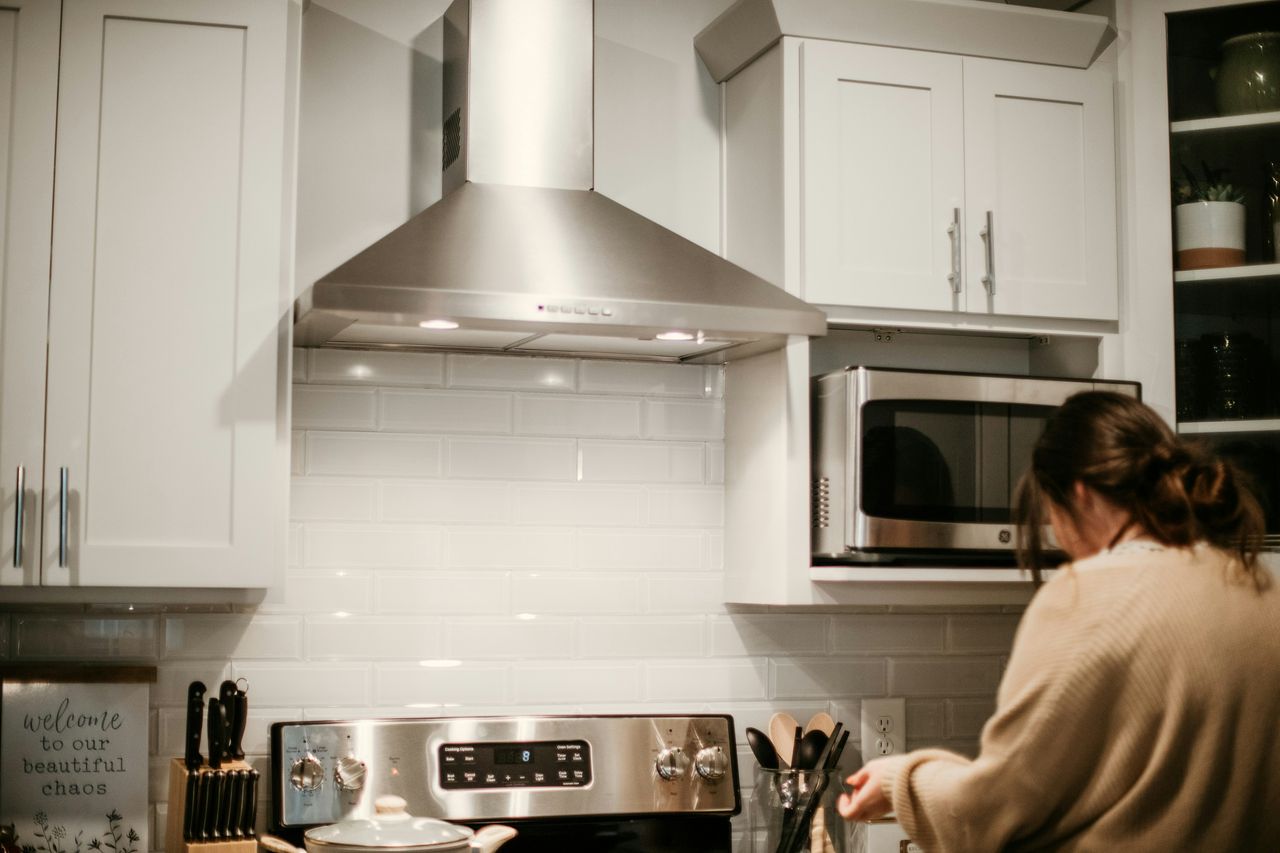
Kitchen remodeling remains a major category of U.S. home spending, with national surveys and trend reports showing that homeowners continue to invest in kitchens even as they weigh costs carefully. Within that broader market, under-cabinet lighting has emerged as one of the smaller-scale upgrades that remodeling experts and design publications repeatedly identify as having an outsized visual and functional effect.
National remodeling data shows lighting remains a priority in kitchen upgrades

The broadest verified signal comes from Houzz’s 2026 U.S. Kitchen Trends Study, which reported that lighting was upgraded by 78% of renovating homeowners, while countertops reached 91%, backsplashes 85%, sinks 85%, cabinets 84% and faucets 82%, according to the company’s survey of 1,780 homeowners published in early 2026. That does not isolate under-cabinet fixtures by itself, but it places lighting firmly in the mainstream of kitchen renovation activity at a national scale. Forbes Home, in a service article reviewed in April 2024, separately described under-cabinet lighting as a task-lighting category used to illuminate counters, sinks and prep areas.
That combination matters because under-cabinet lighting sits at the intersection of utility and finish work. It does not require a full layout change, and it can be added during a larger renovation or as a standalone project. Angi, in a 2026 budgeting and cabinet-update guide, stated that poor or uneven lighting can hold back existing cabinets and recommended task lighting such as under-cabinet fixtures when homeowners are trying to improve the room without replacing everything at once.
The timing also fits broader renovation behavior. The Houzz 2025 U.S. Kitchen Trends Report, as summarized by Forbes in January 2025, found that 33% of homeowners said they could finally afford to renovate, while 27% had recently purchased a home, 25% were aiming to improve resale value and 22% said they finally had the time. Those motivations help explain why homeowners often start with changes that improve daily use immediately. Better lighting is one of the easiest upgrades for households to notice on day one, especially in kitchens where prep surfaces, corners and backsplash areas were previously shadowed.
Design professionals cited by Forbes in 2026 also said homeowners are increasingly focusing on features that make kitchens look more polished without forcing a full structural overhaul. In that context, under-cabinet lighting is being treated less as a luxury add-on and more as a practical finishing detail that supports cooking, cleanup and presentation in the same space.
What the upgrade changes in day-to-day kitchen use, and what remains unmeasured

What is confirmed by published design and remodeling guidance is straightforward: under-cabinet lighting adds direct illumination where people actually work. Forbes Home said the fixtures provide focused light over counters, sinks and prep areas, a distinction that matters because ceiling fixtures alone often leave shadows from the person standing at the counter. Angi’s cabinet-update guidance similarly frames task lighting as a way to improve workspaces used for cooking, cleaning and reading recipes.
What is not publicly quantified in the same way is a national count of homeowners who specifically say they “regret waiting” to install under-cabinet lights. That phrase appears often in consumer-oriented home coverage, but the available authoritative material is stronger on usage patterns and design priorities than on a precise regret metric. No comprehensive national database publicly breaks out regret rates for this single upgrade, and the available trend studies reviewed here do not release a dedicated under-cabinet-lighting adoption figure alongside the broader kitchen-lighting category.
Even so, the surrounding evidence helps explain why the sentiment persists. Kitchen upgrades are expensive, and homeowners often postpone finishing details until after major purchases such as cabinets, counters or appliances. Angi has reported that kitchen remodels can run roughly $25,000 to $40,000, making it common for households to defer smaller additions during the first budgeting round. Once the kitchen is in use, however, lighting becomes one of the most visible differences because it affects morning routines, food preparation, cleanup and the appearance of surfaces every day.
The visual impact is also amplified by other current trends. Houzz and Forbes coverage in 2025 and 2026 pointed to continuing interest in full-height backsplashes, cabinet refinishing, improved shelving and more cohesive finishes. Those upgrades tend to look sharper when they are lit directly. In practical terms, that means under-cabinet lighting can make existing countertops, tile and painted or refinished cabinetry read as newer and more intentional, even when the homeowner has not changed the room’s footprint.
Why homeowners are making smaller, high-impact changes instead of full overhauls

The economic backdrop is one reason this category continues to matter. Angi’s latest State of Home Spending release said U.S. homeowners spent an average of $12,472 on home projects in 2025, up 3.5% from $12,050 in 2024. That points to continued willingness to invest, but it also suggests careful project selection rather than unlimited renovation budgets. In an environment where full kitchen remodels remain among the most expensive home projects, smaller upgrades that improve function quickly are likely to stay attractive.
Industry commentary also shows that many households are trying to maximize return without moving walls or replacing every major component. Forbes reported in 2026 that design experts increasingly recommend working within the existing kitchen layout and prioritizing better lighting, statement backsplashes and cohesive finishes. That approach aligns with what under-cabinet lighting offers: a visible improvement without the disruption of relocating plumbing, reconfiguring cabinetry or changing appliance placement.
There is also a broader storage-and-function trend underway. Houzz’s 2026 study found strong homeowner demand for built-in features, and Forbes reported that pantry cabinets and storage solutions are gaining attention nationwide. When kitchens are asked to do more, from daily cooking to work-from-home overflow and entertaining, visibility inside the workspace becomes more important. Under-cabinet lighting supports that shift by improving prep zones and helping homeowners make better use of counters and adjacent storage.
For homeowners, the practical takeaway is narrower than trend coverage sometimes suggests. Available reporting supports the idea that lighting is a mainstream kitchen priority and that under-cabinet fixtures are a recognized task-lighting solution with a noticeable effect on both usability and appearance. What the public data does not confirm is an exact national tally of people who wish they had installed it earlier. The verified picture is that as renovation budgets stay selective, homeowners and designers are continuing to favor upgrades that make existing kitchens work better immediately, and lighting remains firmly in that group.