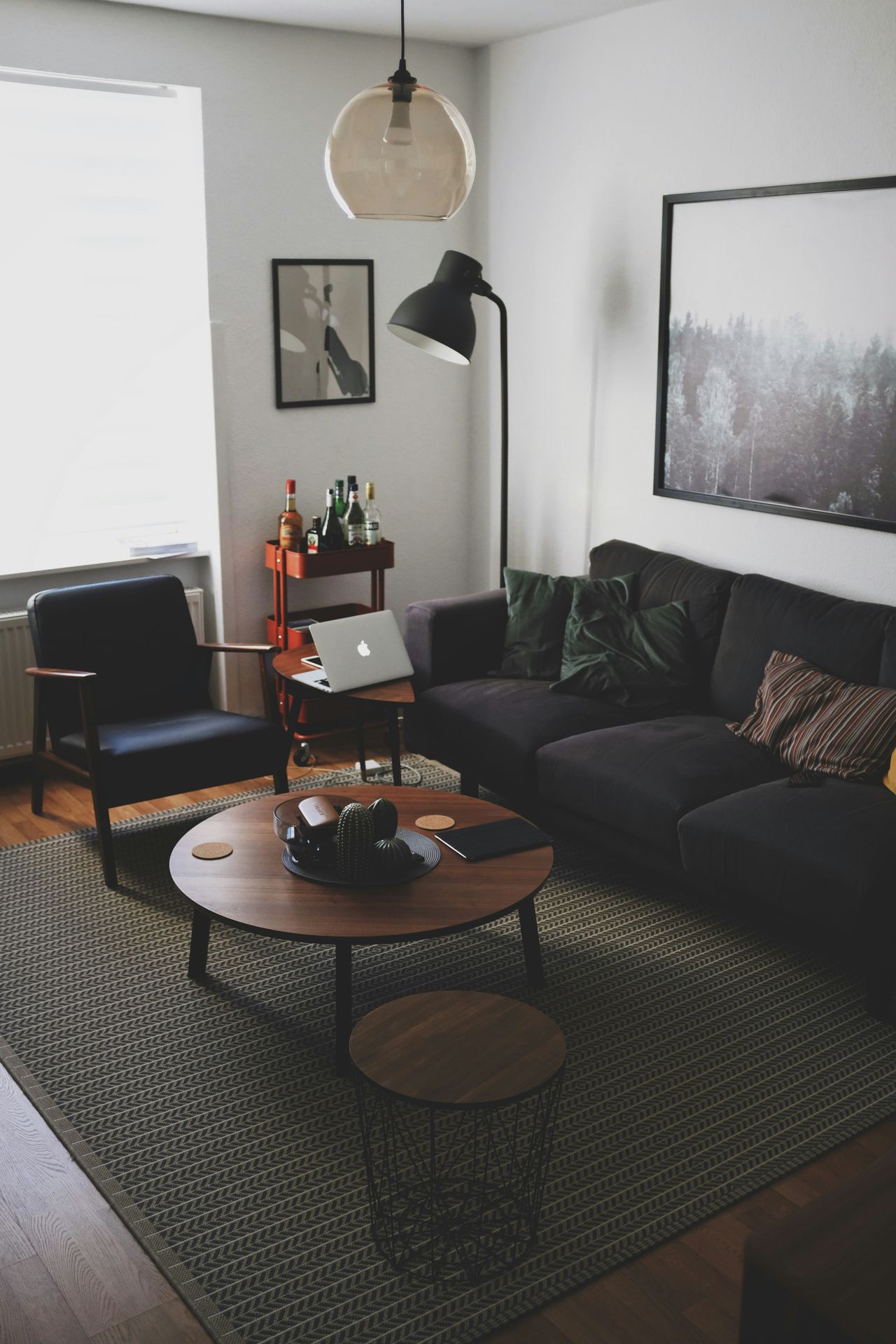
Living room design advice in 2026 has become increasingly specific, with editors and designers focusing less on large renovations and more on the smaller decisions that make a room look finished. In that coverage, one detail keeps surfacing across national design publications: a layered lighting plan that replaces reliance on a single ceiling fixture.
Recent design coverage points to lighting, not furniture, as the finishing detail

Architectural Digest, in a June 26, 2026 article on common living room mistakes, reported that designers continue to warn against using overhead lighting as the room’s primary source of illumination, with designer Leslie Banker saying that ceiling lights alone can cast harsh shadows and make a space feel less welcoming. That guidance matters because it shifts the definition of a “put together” room away from expensive furniture and toward how the room is lit from multiple levels. In practical terms, that usually means combining a ceiling fixture with table lamps, floor lamps, sconces, or picture lights so the room reads as intentional rather than incomplete.
House Beautiful has echoed that same point in multiple 2026 stories. In a May 26, 2026 feature on making a living room look more expensive, the magazine quoted designer Courtney Sempliner Hartman saying that good lighting improves the appearance of even average furniture, while poor lighting flattens stronger pieces. Earlier, on January 24, 2026, House Beautiful also reported that overhead lighting alone can make a living room feel more like a conference room than a home gathering space, reinforcing the idea that the issue is not brightness alone but the kind of atmosphere a lighting scheme creates.
Those articles are part of a broader editorial pattern rather than a one-off trend item. House Beautiful’s May 1, 2026 reporting on the rise of “little lamps” framed smaller accent lamps as decorative tools rather than primary light sources, a distinction that helps explain why designers value them in living rooms. A finished space usually has visual depth, and layered light creates that depth by illuminating seating, shelves, corners, and side tables separately. That is why lighting keeps showing up as the small detail that makes a room seem settled, complete, and coordinated, even when the core furniture has not changed.
The practical impact is especially visible in apartments and smaller living rooms

For renters and apartment residents, the appeal of layered lighting is partly practical. Replacing a sofa, installing millwork, or repainting an entire room can be expensive or restricted by lease terms, but adding lamps is comparatively flexible and often does not require structural changes. That makes lighting one of the few high-impact upgrades available to people in smaller urban units, older buildings, or open-plan living rooms where one ceiling fixture is doing too much work.
Recent design coverage suggests this matters even more in compact spaces. Apartment Therapy reported on January 29, 2026 that scale mistakes can make living rooms appear smaller, and House Beautiful noted in May 2026 that sparse or under-furnished rooms can feel unfinished. Lighting intersects with both problems because it helps define zones and soften edges without taking up much visual space. A floor lamp beside a chair, a table lamp on a console, and a smaller accent lamp on a shelf can separate functions inside one room, making a living area feel organized without adding bulk.
That same logic appears in broader 2026 trend reporting. House Beautiful’s coverage of statement lighting this month described fixtures as elements that tie a space together and distinguish separate vignettes, especially in open-concept layouts. Even when the article focused on chandeliers, the underlying principle was the same: lighting can act as the element that visually anchors a room. In a living room, that anchor does not have to be dramatic. A coordinated mix of warm light sources at different heights often does more to make a room feel composed than a single oversized decorative purchase.
What is not yet standardized is a single formula. Designers do not appear to agree on an exact number of fixtures every living room needs, and recent articles do not offer a universal checklist for room size, bulb strength, or placement. But the consensus is clearer on the core point: a living room looks more put together when the light comes from more than one source and when those sources are placed intentionally around seating, storage, and architectural focal points.
Why designers keep returning to this detail in 2026

The reason lighting keeps coming up is tied to broader design priorities in 2026. House Beautiful’s trend coverage this year has emphasized warmer, more personal interiors, while its 2026 interior trend reporting described homes that feel less staged and more inward-looking. In that environment, lighting does more than help people see. It affects whether a room feels usable at night, whether textures show up properly, and whether the space supports conversation, reading, television, or entertaining without feeling overly bright or flat.
Other recent reporting supports that context. House Beautiful’s living room trend coverage for 2026 highlighted layered rugs, collected decor, and softer silhouettes, all of which depend on light to read clearly. Architectural Digest similarly framed lighting as part of comfort and functionality, not just decoration. When designers argue that ceiling lighting should not be the main source, they are effectively saying that a finished room needs dimension. Lamps provide that dimension by creating pools of light that make upholstery, wood finishes, art, and textiles look more deliberate.
There is also a budget explanation. A lighting update can change the look of a room faster than replacing major furniture, and shelter coverage increasingly reflects reader interest in lower-commitment improvements. That does not mean any lamp arrangement works. The most consistent advice in 2026 coverage is that decorative lamps support, rather than replace, a broader plan. Small lamps can add personality, statement fixtures can create a focal point, and sconces or floor lamps can help balance dark corners, but the result only looks cohesive when those pieces work together.
For residents trying to interpret the trend, the takeaway is straightforward: the “small detail” is less about buying one specific object than about making sure the room is lit in layers. Based on the most recent guidance from Architectural Digest and House Beautiful, that means a living room is more likely to feel instantly put together when its lighting is distributed across multiple sources, with each source contributing to comfort, balance, and visual structure rather than leaving the entire room to a single overhead bulb.