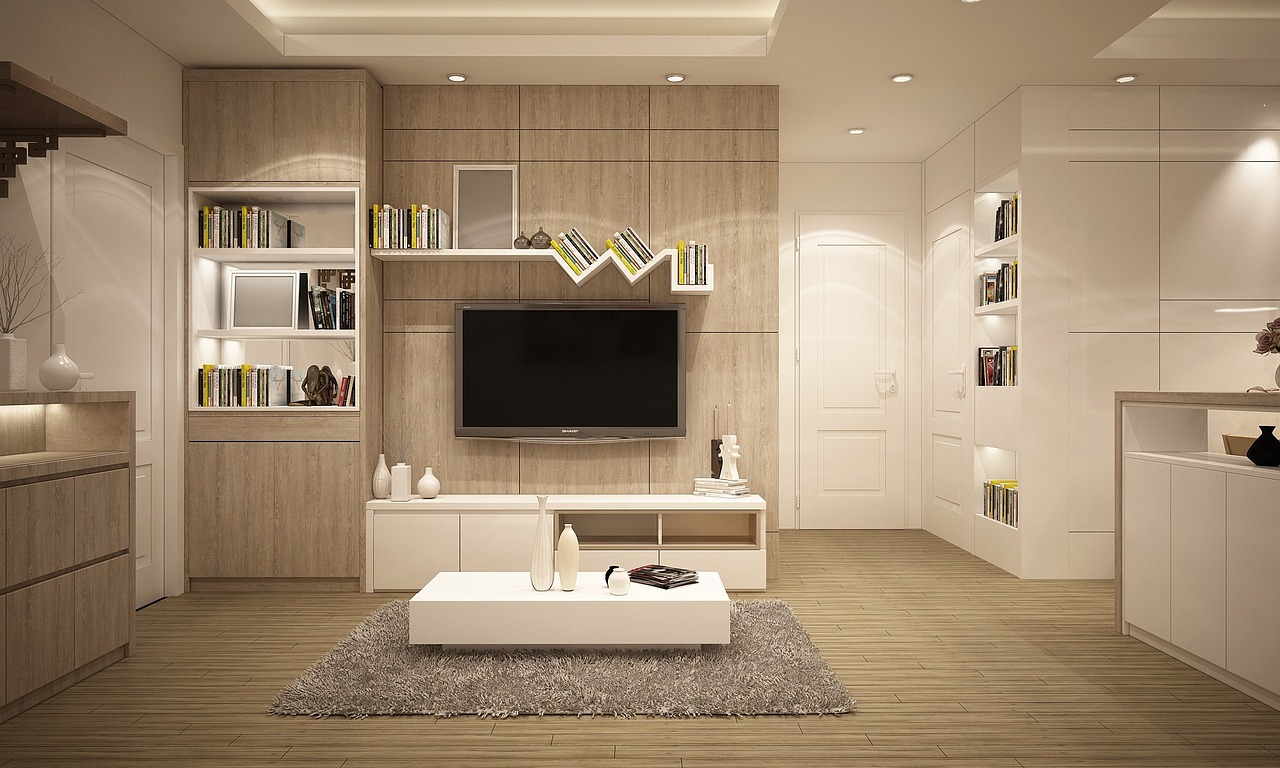
Renters across the U.S. are making more deliberate choices at home as affordability pressures reshape how they use every room. That shift is showing up not just in lease data and housing research, but in the way renters furnish apartments around storage, flexibility and daily utility instead of looks alone.
Zillow’s 2025 renter report shows a market shaped by budget limits and practical home choices

The clearest recent signal comes from Zillow’s 2025 Consumer Housing Trends Report for renters, published October 27, 2025, after Zillow Group Population Science fielded nationally representative surveys between March and July 2025. Zillow said the report drew on more than 24,400 unique renters, making it one of the larger current looks at how U.S. renters think about the homes they occupy. The report found that 35% of U.S. households live in rented homes, using the 2023 American Community Survey as its baseline, which helps explain why shifts in renter behavior now influence a large share of the housing market.
What that report documents most clearly is a renter population making decisions under constraint. Zillow said nearly all renters considered staying within budget essential when choosing a home, a finding that helps explain why decorating choices increasingly start with utility. When rent takes priority, discretionary spending inside the home often moves toward items that solve multiple problems at once, such as storage beds, drop-leaf tables, rolling kitchen carts or desks that can be folded away after work.
That trend also fits what renters are leasing in the first place. Zillow reported that 56% of recent renters initially hoped to rent an apartment, while 34% included a single-family detached house among their ideal options. Apartments remain the dominant rental type for many households, and apartment living often comes with tighter square footage, fewer closets and shared rooms that need to serve several functions over the course of a day.
The practical effect is that furniture and decor are being chosen less as isolated style statements and more as infrastructure for daily life. A sideboard may need to hide office supplies. A guest bed may also need to serve as seating. Lighting, shelving and partitions are increasingly being used to define work, sleep and dining zones inside the same footprint. Zillow’s survey does not measure decor purchases directly, but the budget-first behavior it documents helps explain why renters are leaning toward homes and home goods that work harder.
In apartments and small rentals, the strongest visible impact is a turn toward storage and flexible layouts

The local impact of this shift is most visible in dense apartment markets, where renters often need one room to do the work of two or three. While no national dataset offers a full state-by-state count of renters buying multifunctional furniture, recent housing and design reports point in the same direction: people in smaller homes are emphasizing storage, mobility and layout flexibility. Houzz, in its 2024 U.S. Emerging Winter Trends Report, said searches reflected a desire for decluttered spaces, multifunctional furniture and storage, with searches for “kitchen islands with a drop leaf” up 3.5 times from the same period a year earlier.
Houzz’s 2025 Emerging Summer Trends Report and related 2025 trend analysis reinforced that pattern. The company reported growing interest in storage-forward features, including white oak storage solutions, as users searched for ways to make rooms look cleaner while also functioning better. Those findings are based on search behavior from homeowners and design enthusiasts, not renters alone, so they do not provide a renter-only count. But they do offer a verified measure of where household attention is moving, especially in categories that overlap heavily with apartment living.
The apartment industry is also seeing the shift at the building level. The National Apartment Association’s 2025 report on amenity spaces said developers and operators are placing greater emphasis on flexible community areas and functional features, with respondents highlighting furniture, equipment and adaptability as priorities. In practice, that means renters are not only styling their own units around function; they are also increasingly encountering apartment buildings that market work lounges, package rooms, fitness areas and flexible shared spaces as part of the value proposition.
What is not yet known is the full geographic spread of these choices at the unit level. There is no comprehensive public list showing which metro areas have the highest share of renters buying storage furniture, converting dining nooks into offices or replacing decorative pieces with dual-use items. But the available data shows the pressures are national, and they are especially relevant in places where renters are balancing high monthly housing costs with limited square footage.
Affordability, shrinking low-cost supply and changed at-home routines are driving the move toward function

The broader reason this is happening is not hard to trace. Harvard’s Joint Center for Housing Studies said in its America’s Rental Housing 2026 release that 22.7 million renter households in 2024 spent more than 30% of their income on rent and utilities, equal to 49% of all renters. Of those, 12.1 million were severely cost burdened, meaning they spent more than half their income on housing. When households are that stretched, purchases inside the home are more likely to be judged by usefulness, longevity and the ability to reduce clutter or replace multiple single-purpose items.
Harvard’s State of the Nation’s Housing 2025 and related releases also said the stock of lower-rent units has been shrinking even as higher-rent inventory has grown. The National Low Income Housing Coalition, citing the Harvard report, said the number of inflation-adjusted units renting for under $1,000 fell by more than 30% between 2013 and 2023. That loss matters because renters facing fewer affordable options may stay longer in units that were never designed for all the activities now happening at home, from remote work and exercise to hosting guests and storing online-order overflow.
The design shift also reflects how people use their homes after the pandemic-era restructuring of work and daily routines. Architectural Digest’s 2024 forecast said homes are being optimized more carefully around what occupants actually need from each room, while design coverage in 2025 continued to note demand for flexible, personalized spaces. In other words, aesthetics have not disappeared; they are increasingly being filtered through practical needs. Renters still want a home that looks good, but the standard increasingly includes whether a room can change roles throughout the day.
For renters, that means the near-term outlook is less about a single trend color or furniture silhouette and more about adaptable living. The available housing and design research suggests homes that offer storage, flexible layouts and usable square footage will keep resonating as long as affordability remains tight. For apartment residents, function is no longer a secondary consideration in styling a home. It has become one of the main design rules shaping how rented spaces are set up and lived in.