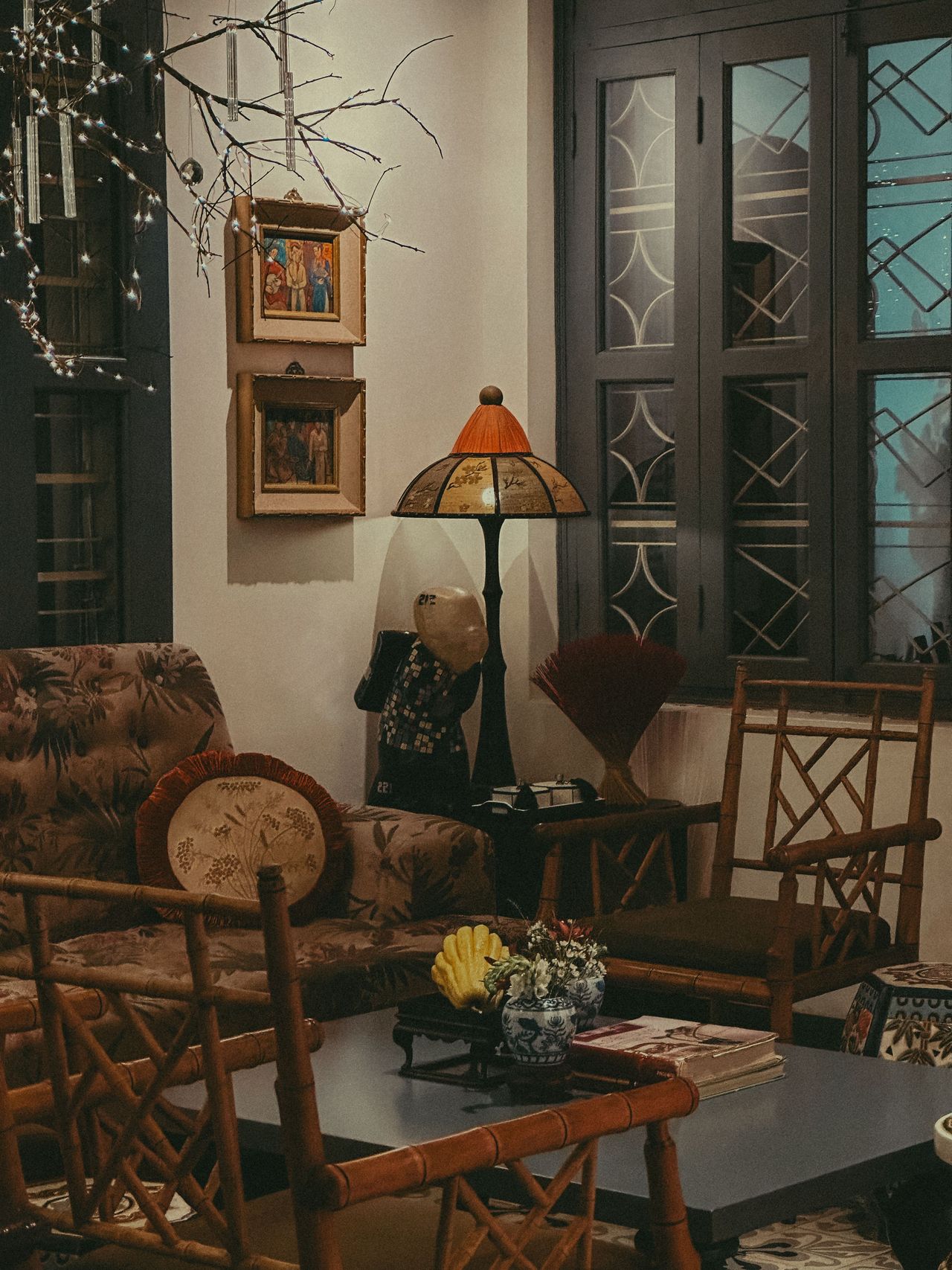
Across the U.S. housing and design market, interior professionals are increasingly drawing a line between homes that look finished and homes that actually function well day to day. In the latest round of designer interviews and trend reports published in 2025 and 2026, the recurring reason many beautiful homes still feel uncomfortable is straightforward: aesthetics are too often prioritized ahead of the way people sit, move, work, gather, store belongings and manage light and sound.
Designers are describing the same problem across 2025 and 2026

A clear recent marker came on June 10, 2026, when House Beautiful published a report on “ritual living” that documented designers shifting toward spaces built around how residents want to feel and function at specific times of day. In that report, designer and therapist Anita Yokota said she starts by asking clients how they want to feel in each space, while designer input cited by the magazine emphasized storage, seating and layered lighting as tools that make a home support daily life rather than simply present well visually. That aligns with a wider editorial pattern in which designers are increasingly talking less about single decorative trends and more about homes that work.
Other recent designer guidance points in the same direction. In a January 24, 2026 House Beautiful article on common living-room mistakes, designer Mindy Kelson O’Connor said a room can be visually appealing and still fail if it is uncomfortable to sit in, difficult to navigate or poorly lit. That assessment matters because the living room is usually the highest-traffic space in a home, and it concentrates many of the exact issues designers say are being overlooked: circulation, seat comfort, scale, glare and the balance between overhead and ambient light.
A December 2025 Forbes report on interior trends fading in 2026 described another dimension of the problem: homes arranged primarily for social media. That report said designers were moving away from spaces designed “for the camera” and back toward what one designer called real functionality. The same theme appeared again in House Beautiful’s 2026 trends coverage, which said the larger shift this year is away from homes that “perform on cue” and toward homes that “participate in real life.” Taken together, those reports show the issue is not that designers suddenly oppose beauty. It is that beauty without usability keeps producing homes that look complete but feel tiring, impractical or emotionally cold once people actually live in them.
The impact shows up in everyday living, not just in luxury design
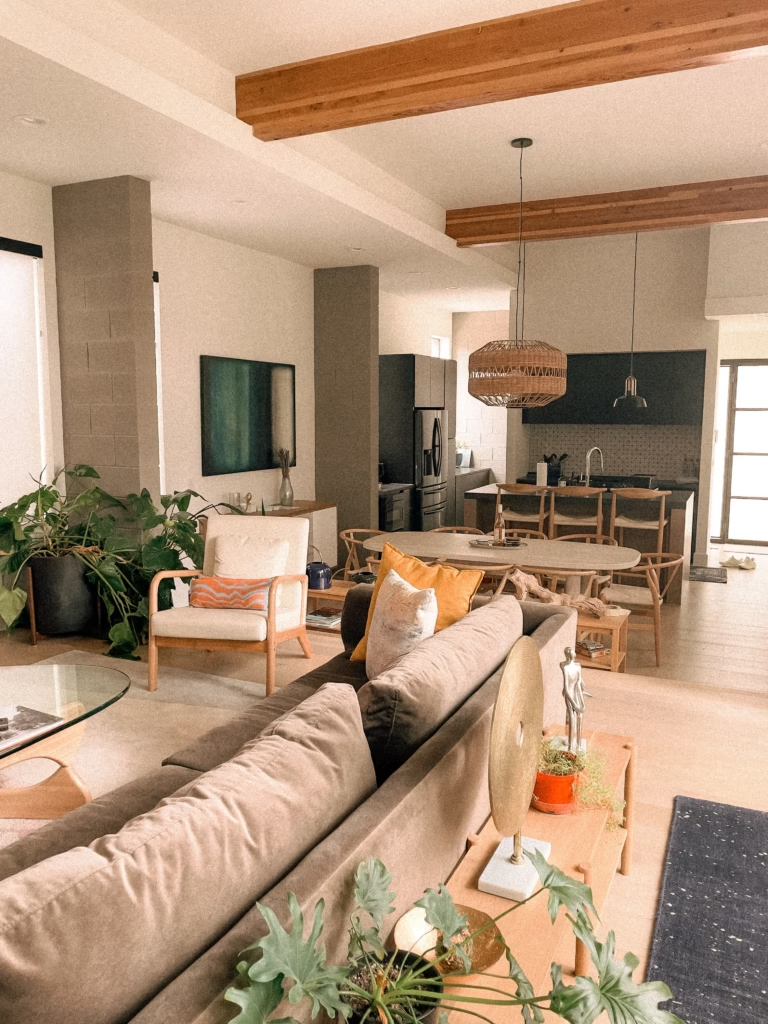
Although the discussion often appears in high-end shelter magazines, the underlying issues are not limited to luxury homes or any one region. The practical impact is national because the same design choices now appear across new builds, renovated suburban homes, urban apartments and influencer-driven remodels. Designers cited by House Beautiful and Forbes have repeatedly pointed to open-plan layouts, oversized sculptural furniture, heavy reliance on recessed lighting, and rooms without enough storage or acoustic separation as choices that can photograph well but create friction in daily life.
What is confirmed by the recent coverage is that discomfort is usually cumulative rather than caused by one dramatic flaw. A room may have seating that looks elegant but is not supportive for long use. An open floor plan may appear airy but carry kitchen noise into work or relaxation areas. A living room may be technically bright enough while still feeling harsh because lighting comes mainly from overhead fixtures instead of layered lamps and warmer task lighting. Designers discussing “micro-zones” and “broken floor plans” in 2026 have specifically connected those newer layouts to the need for privacy, function and acoustic relief without giving up openness entirely.
What remains less publicly quantified is how many U.S. homes are affected, because no single industry body has released a comprehensive national count of uncomfortable homes or a formal defect category for this problem. But the consistency of the advice across publications suggests a broad market response to homeowner complaints that are familiar even without a centralized tally: rooms echo, work spaces bleed into family areas, furniture blocks circulation, and storage is insufficient for daily routines. The American Society of Interior Designers has also framed comfort, connection and the blending of home activities as defining design pressures in its trend tracking, reinforcing that this is a mainstream residential design issue rather than a niche stylistic debate. In practice, the local impact for residents is simple. Homes can look polished in listing photos or finished reveals, yet still feel harder to inhabit over the course of a normal week.
The underlying cause is a shift from visual design toward lived performance

The broader context is that homes now carry more jobs than they did a decade ago, and many older design habits have not kept up. Designers and shelter publications in 2025 and 2026 have linked the discomfort problem to a mismatch between modern living patterns and legacy ideas about what a “finished” room should look like. People now expect one home to accommodate remote work, exercise, entertaining, quiet time, storage overflow, device charging, family routines and better mental recovery. When a room is planned mainly around symmetry, statement pieces or a photo-friendly palette, those demands are harder to meet.
That helps explain why lighting, acoustics and zoning come up so often in current design reporting. House Beautiful’s 2026 trend coverage said homes are moving toward softer, more lived-in spaces with attention to light, ventilation and materials that feel grounded. Its reporting on broken floor plans said partial divisions can preserve openness while improving privacy and sound control. Its statement-lighting and recessed-lighting coverage has also underscored that not all brightness creates comfort. Designers increasingly distinguish between illumination that simply makes a room visible and lighting that helps regulate mood, reduce glare and make evenings feel calmer.
For residents, that means the practical standard for a successful home is changing. A beautiful room is no longer judged only by finishes, furniture and color, but by whether it supports routines with enough seating comfort, usable pathways, storage, quiet and adaptable light. The recent reporting does not suggest beauty is becoming less important. It suggests beauty is being redefined to include performance. As designers told House Beautiful and Forbes in this latest cycle of coverage, the homes gaining favor are the ones built for actual living first, with appearance following from that function rather than competing with it.