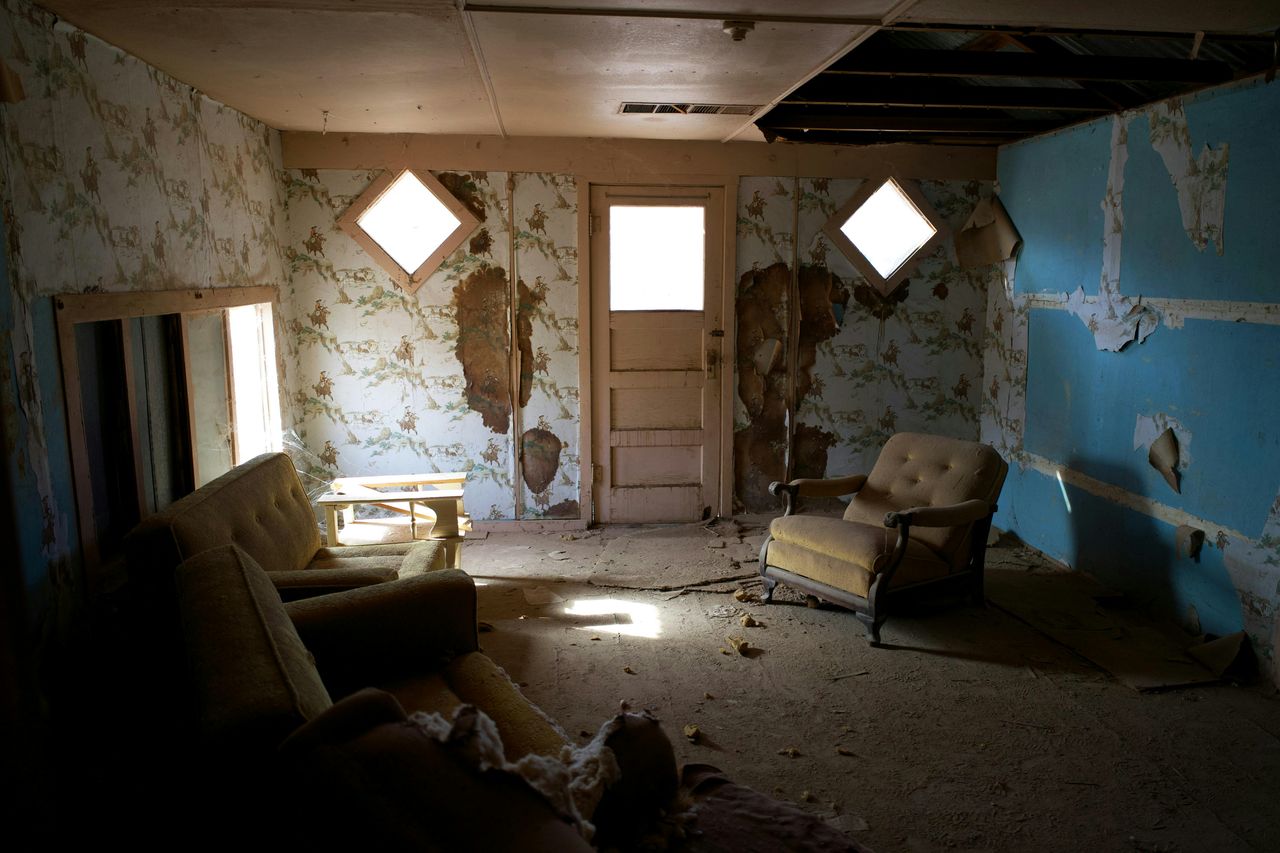
Social-media-driven home design has pushed more Americans toward fast, high-impact updates that photograph well and promise low upfront effort. One of the clearest examples is peel-and-stick wallpaper, a trend that spread across TikTok, Instagram, and home makeover content but is now colliding with the reality of removal costs, wall damage, and tighter household renovation budgets.
Peel-and-stick wallpaper moved from inspiration feeds into real homes at national scale
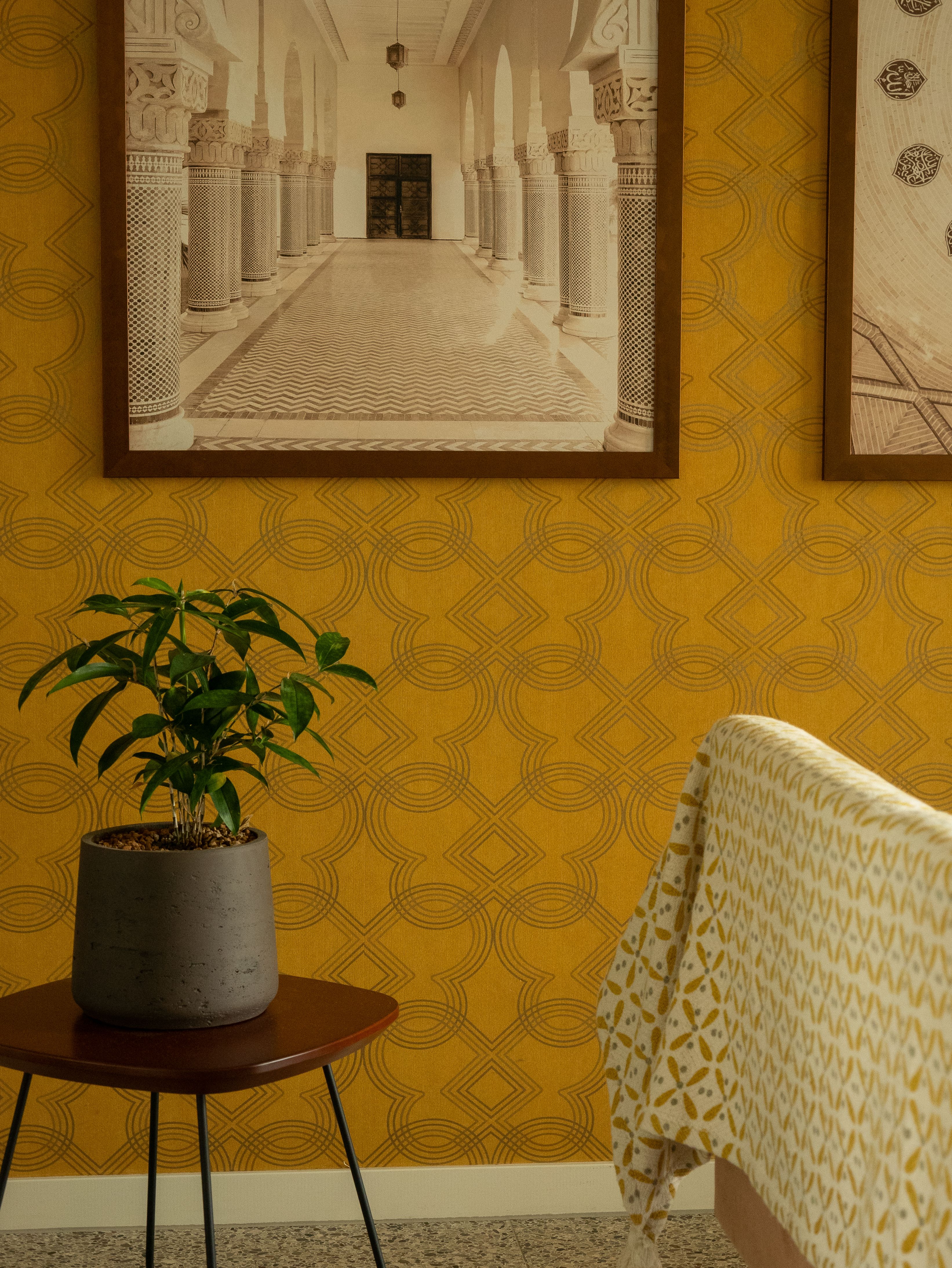
Peel-and-stick wallpaper became one of the most visible decorating shortcuts of the social-media renovation era because it offered an easy before-and-after for renters and homeowners alike. Washington Post home coverage described peel-and-stick tile as being “all over social media” as early as September 20, 2023, reflecting how strongly adhesive-based DIY finishes had entered mainstream home content. By 2026, the broader renovation market remained large: Houzz Research said in its April 22, 2026 U.S. Houzz & Home Study that it surveyed 20,358 users, including 10,176 renovating U.S. homeowners, and found that 52% reported decorating activity while 54% reported renovating.
That scale matters because decorative choices that begin as low-cost experiments can become expensive when millions of households are making them. Houzz said median renovation spending held at $20,000 in 2025, while the 90th percentile rose to $150,000, showing that homeowners are still spending heavily even as they become more selective about where money goes. Angi’s 2024 State of Home Spending Report, released in June 2025, added that over 50% of homeowners completing projects reported surprise expenses, especially for materials and labor, and 61% said they were concerned about affording maintenance or repairs in 2025.
The problem is not that peel-and-stick products always fail. Angi said in a June 2026 explainer that peel-and-stick wallpaper will not always damage walls, but improper installation, stronger permanent adhesives, and rushed removal can pull paint away or leave surfaces requiring repair. The same Angi guidance said the product may last five to seven years, but the longer it stays on the wall, the more adhesive can bond to paint, increasing the chance of damage during removal. For homeowners who treated the finish as a temporary visual upgrade, that turns a trend into a repair project.
The cost side is also more concrete than many social-media videos suggest. Angi’s 2026 cost data said professional wallpaper installation for a standard room commonly ranges from $325 to $825, while HomeAdvisor said in a June 17, 2026 update that professional interior painting commonly runs about $2 to $6 per square foot. Once a wall needs patching, skim coating, or full repainting after removal, the economics of a “quick refresh” can look very different from the original content that sold the idea.
The financial impact is hitting homeowners where they live, even without a single state-based recall or damage list
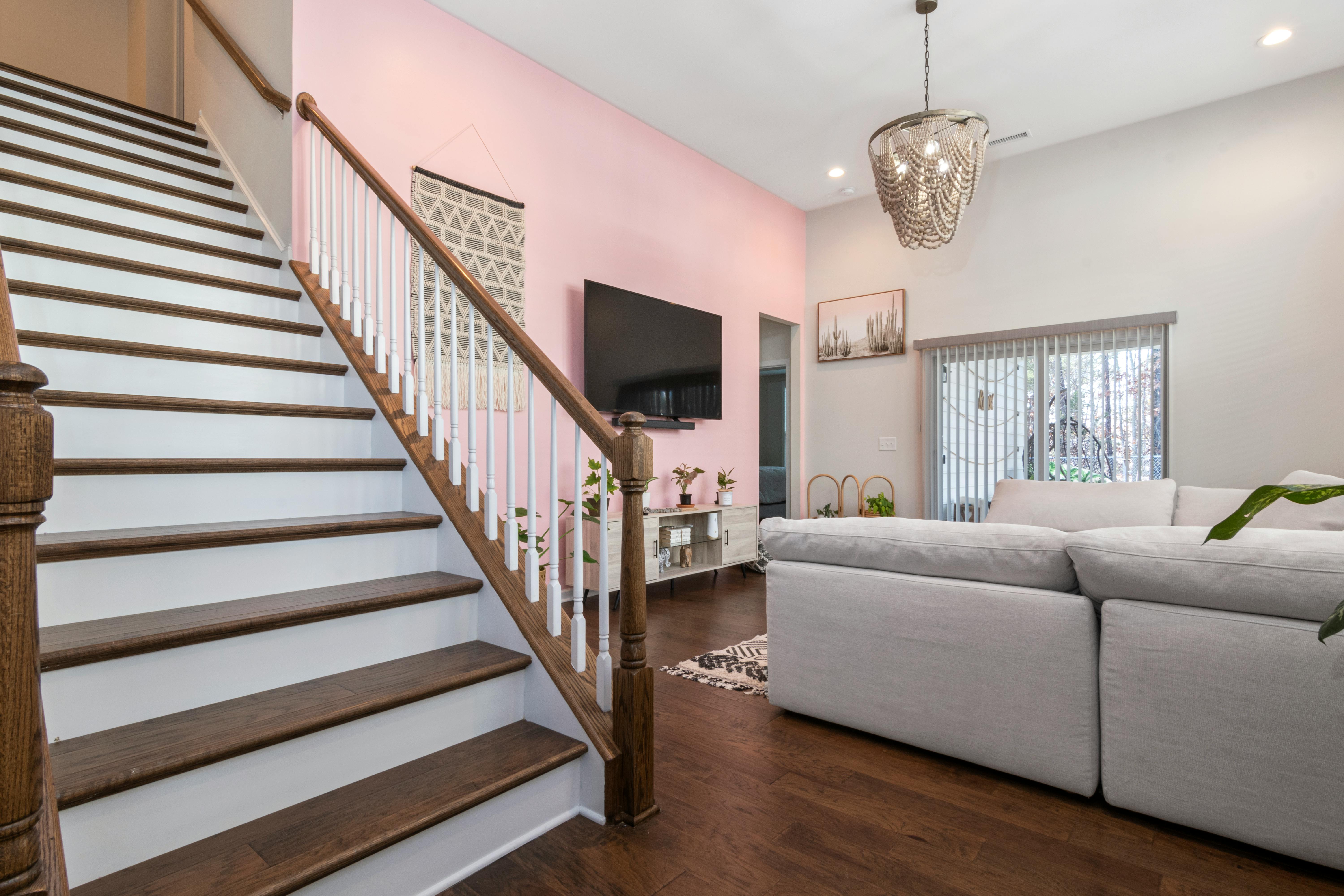
This is not a case of a company recall or a government enforcement action tied to one state. No major manufacturer has released a national list of homes affected by peel-and-stick wallpaper damage, and there is no comprehensive state-by-state database showing where removal problems are concentrated. What is confirmed is broader: homeowners across the U.S. are staying in place longer, taking on more projects inside existing homes, and facing a more expensive repair environment when cosmetic choices have to be reversed.
Angi reported that 67% of homeowners would rather renovate their current homes than move, citing high interest rates and scarce housing inventory. That dynamic makes reversibility more important. A trend that might have been harmless in a short-term rental or starter condo becomes more consequential when the same walls need to hold up for years, through resale prep, family wear, humidity changes, and repeated redecorating. Angi also said 54% of homeowners struggle to find qualified professionals, a factor that can delay repairs after wallpaper removal or push owners into more DIY fixes that still need professional correction later.
There are also resale implications, though they are not uniform. Zillow said in its October 15, 2025 Home Trends Report that buyers were increasingly responding to highly personalized interiors, including “color drenching,” with mentions of that feature rising 149% in listings year over year. At the same time, Zillow’s broader research has consistently shown that some finishes help value while others depend heavily on execution and buyer taste. In other words, a statement wall may photograph well and even attract attention online, but once the finish begins peeling, fading, or lifting paint, the homeowner is left with a maintenance issue rather than a style advantage.
What remains unknown is how many individual homeowners have had to repaint or repair drywall specifically because of peel-and-stick wallpaper. Public companies and industry groups do not publish that figure. But the available evidence points in one direction: the risk is not theoretical, and the cost pressure is real. For U.S. households already dealing with higher maintenance stress, an adhesive décor trend can add another line item to a home budget that is already under strain.
The broader cause is a collision between trend-driven design, DIY overconfidence, and a more expensive housing economy
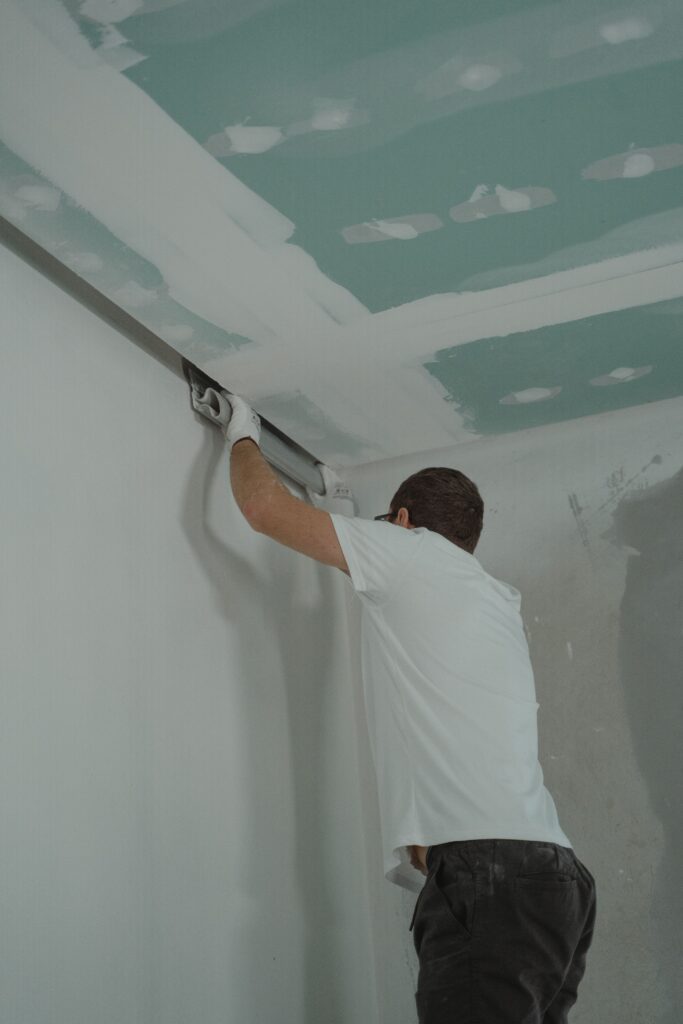
The appeal of peel-and-stick wallpaper was never hard to understand. It fit the algorithm: fast transformation, minimal tools, and a dramatic visual payoff on video. But several recent reports suggest homeowners are moving away from purely performative design and back toward choices that last longer and function better. Forbes design coverage in late 2025 and early 2026 described a broader shift away from rooms designed mainly for the camera and toward longevity, utility, and more durable personalization. Zillow also said cookie-cutter design is fading, but that does not mean every fast-rising trend performs well in everyday use.
The cost backdrop makes mistakes harder to absorb. Houzz said in its April 22, 2026 study that renovation activity remained elevated, with more than half of homeowners still taking on projects. Angi said surprise expenses remained common and that repair, maintenance, and improvement costs were the household budget category causing the most stress, ahead of healthcare, debt, savings, childcare, education, and entertainment. When a decorative update creates another round of labor, prep, and repainting, it lands in an economy where homeowners are already sensitive to every additional contractor bill.
DIY itself is another part of the story. Angi’s survey on DIY risks found that over 40% of homeowners said their projects were more challenging than expected, over 40% said they were more expensive than expected, and nearly 80% faced a minor or major mistake. More than one-quarter said major mistakes became costly, with expensive damage the most common top-tier problem. Those figures predate the current décor cycle, but they help explain why social-media-friendly installations can become expensive regrets when walls are not properly prepped, adhesive strength is misjudged, or removal is rushed years later.
For homeowners and residents, the practical takeaway is narrower than the online trend cycle. Peel-and-stick wallpaper still exists as a legitimate design product, but the current evidence shows it is not automatically temporary, damage-free, or cheap to undo. In a market where homeowners are staying put longer, facing higher labor costs, and spending carefully on upkeep, reversible-looking décor increasingly has to be evaluated like any other home project: by total cost over time, not just by the first-day reveal.