Americans are still investing heavily in their homes even as renovation budgets tighten, with Houzz reporting that 54% of homeowners completed renovation projects in 2025 and many planning more selective updates in 2026. Against that backdrop, one rule keeps surfacing in expert design guidance: the homes people respond to most positively tend to use layered lighting rather than a single source overhead.
Design experts keep pointing to layered lighting as the rule that changes how a home feels

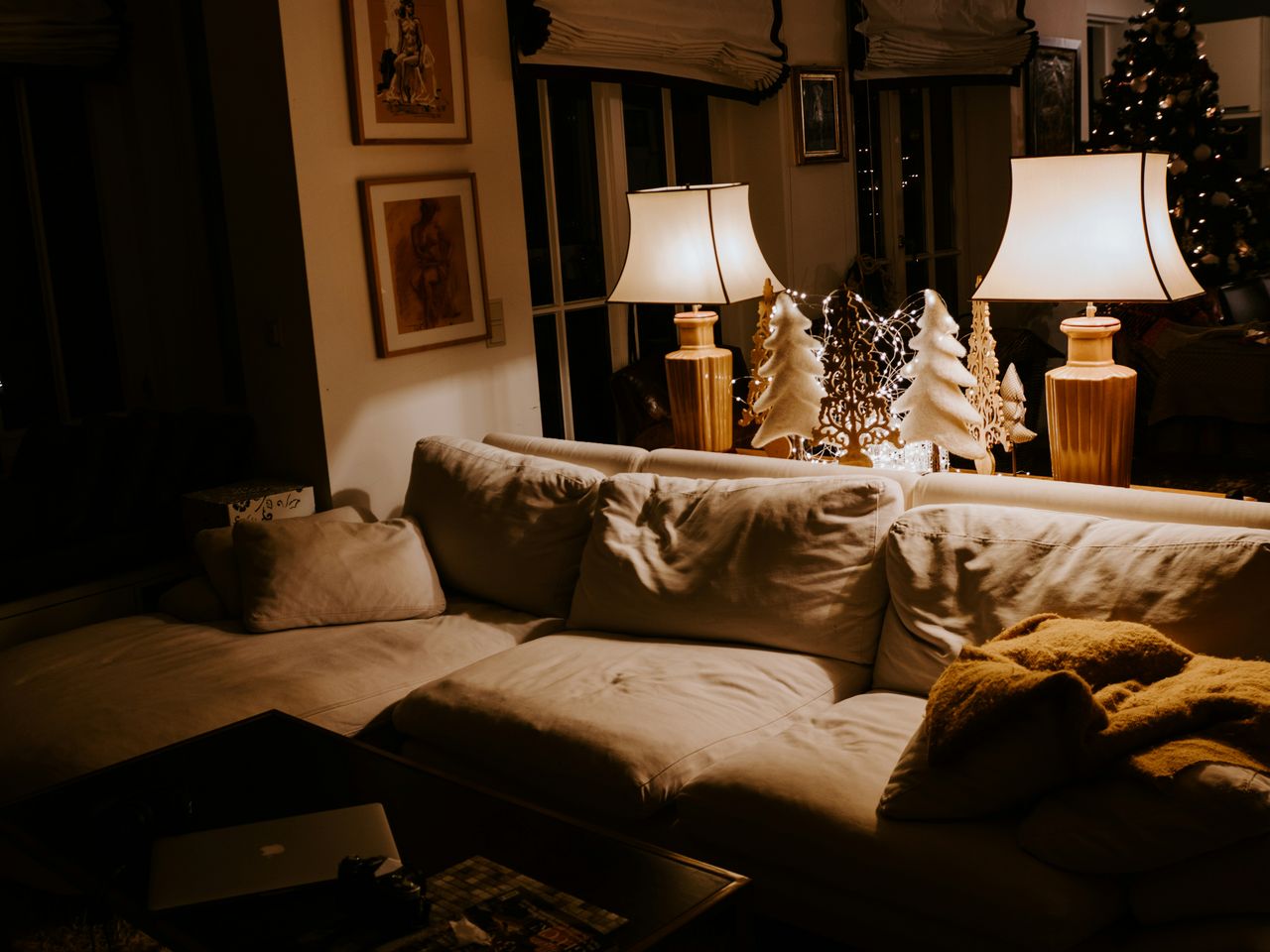
Architectural Digest put the point plainly on June 26, 2026, in a roundup of common living room mistakes: ceiling fixtures should not be the primary light source in a room, and designers instead recommend multiple lights at different heights. In that report, designer Leslie Banker said living rooms feel more comfortable when they include a mix of table lamps, floor lamps, sconces, and picture lights rather than relying on one bright fixture above. The scale of that advice is notable because the article framed it not as a niche luxury preference but as one of five recurring mistakes experts keep seeing in everyday homes.
The same June 2026 Architectural Digest coverage also tied lighting to layout and proportion, noting that rooms feel more cohesive when lighting works with furniture groupings instead of washing the whole space evenly from above. That matters because homeowners often interpret brightness as the goal, while designers are describing distribution as the real rule. A room can have plenty of lumens and still feel cold or disconnected if all the illumination comes from the ceiling. In practice, the design move is less about buying one statement fixture and more about building layers that support conversation areas, reading corners, and circulation paths.
Other recent design coverage points in the same direction. Apartment Therapy reported in 2025 that designers frequently warn against cool-toned recessed lighting and against mixing color temperatures within the same room because it can make a kitchen or living area feel clinical rather than comfortable. Zillow’s 2025 home trends report also identified “cozy living” as a rising preference, suggesting buyers are increasingly drawn to spaces that feel warm and lived-in rather than stark. Taken together, those reports indicate that lighting is doing more than helping people see; it is shaping whether a home reads as welcoming, practical, and settled.
That helps explain why many homeowners follow the rule without naming it. Someone may say they love a den because it feels calm at night, or that a dining room finally feels finished after two lamps and a dimmer were added. Designers would describe those changes as layered lighting. Homeowners often describe the same outcome in simpler terms: the room just feels better.
What the rule means in everyday homes, and what is confirmed about how people are spending
The broader housing data show why this kind of rule matters now. Houzz’s 2026 U.S. Houzz & Home Study, based on a survey of 20,358 users including 10,176 renovating U.S. homeowners, found that median renovation spend held at $20,000 in 2025, while the median planned spend for 2026 declined to $15,000. That means many households are still updating their homes, but often with more discipline about where money goes. Lighting is relevant in that environment because it can materially change how a room functions without requiring a full kitchen or bath remodel.
Houzz also reported that living room median renovation spend rose to $5,000 in 2025 from $4,000 in 2024, while dining room and home office spending also increased. Those figures do not prove homeowners are specifically buying lamps or sconces, and Houzz has not released a national line-item tally for layered-lighting purchases. But the room-by-room spending does confirm that homeowners continue to put money into the spaces where atmosphere, comfort, and daily use matter most. In those rooms, lighting is one of the most visible variables affecting the result.
Nationally, recent home trend coverage has reinforced that shift away from showpiece minimalism and toward comfort. Houzz’s 2026 trends coverage said homeowners are prioritizing warmth, longevity, intention, and ease. Zillow similarly reported that cozy living was emerging as a home trend. Those are broad findings, not a single federal standard or code requirement, and there is no official nationwide count showing how many households now use layered lighting. What is confirmed is that major housing and design platforms are describing the same consumer preference: rooms that feel warmer and more usable are gaining ground.
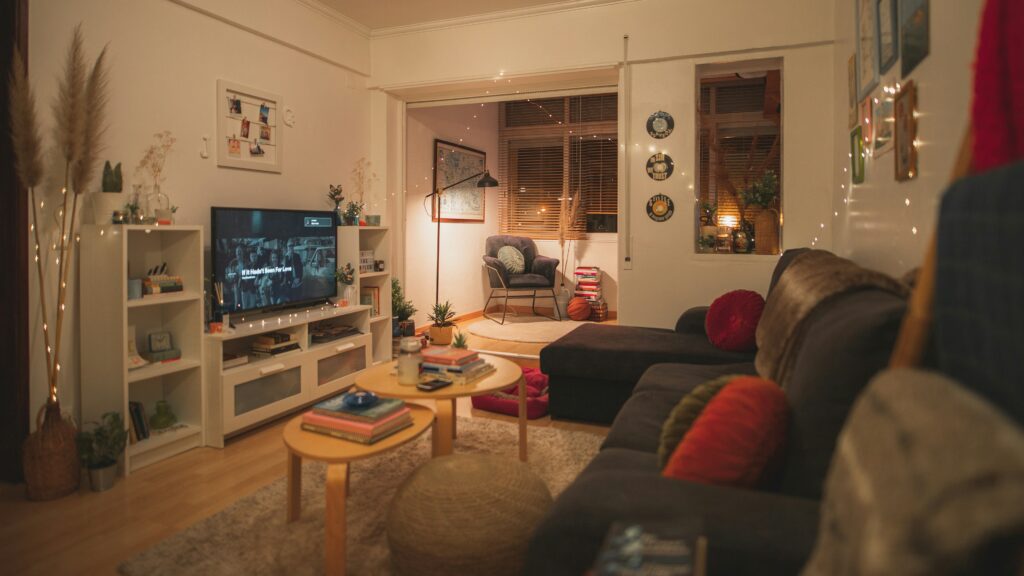
For residents, that translates into a practical distinction. A home that feels finished is often not the one with the most expensive renovation, but the one where light is distributed for real life. Floor lamps near seating, softer bulbs, shaded table lamps, sconces, and dimmable fixtures can all change how a room is used in the morning, afternoon, and evening. The design rule stays mostly invisible because people usually notice the comfort first and the lighting strategy second.
Why this is happening now, and what homeowners should expect from the trend
The causes are tied to both economics and lifestyle. Houzz said in its 2026 study that homeowners are taking a more measured approach to future projects even as renovation activity remains high. Its Denmark press summary for 2026 also said long-term commitment to current homes is a driver for renovation activity, with nearly four in five homeowners saying they want to stay in their current home. When households expect to remain in place, upgrades that improve everyday experience can matter as much as headline resale projects.
Housing market pressure is part of the context as well. Harvard’s Joint Center for Housing Studies said in its 2026 State of the Nation’s Housing report that affordability remains a central challenge in the U.S. market. In earlier Houzz-based reporting, economist Marine Sargsyan said limited inventory and high mortgage rates have made moving less attainable, making renovation more appealing for owners ready to upgrade. That environment favors design rules that help existing homes feel better without requiring major structural change. Lighting fits that pattern because it can alter mood, usability, and visual balance with relatively limited disruption.
There is also a clear design explanation. Recent expert guidance from Architectural Digest and Apartment Therapy describes a consistent problem: overhead lighting alone tends to flatten a room, cast unhelpful shadows, and make spaces feel harsher than homeowners intend. Layering different sources at different heights addresses that by separating tasks and moods. One light may support reading, another may soften the perimeter, and another may highlight art or shelving. The result is not only visual variety but a clearer sense of how the room is meant to function.
For homeowners and renters, the immediate takeaway is straightforward. Expect more design advice in 2026 to focus on comfort, warmth, and use rather than on a single trend item or finish. The available reporting does not suggest that every room needs a costly overhaul, and no major study says layered lighting is the only rule that matters. But the evidence does show that when people say they love how a home feels, designers often point to the same underlying structure: more than one kind of light, placed with intention, supporting the way the room is actually lived in.