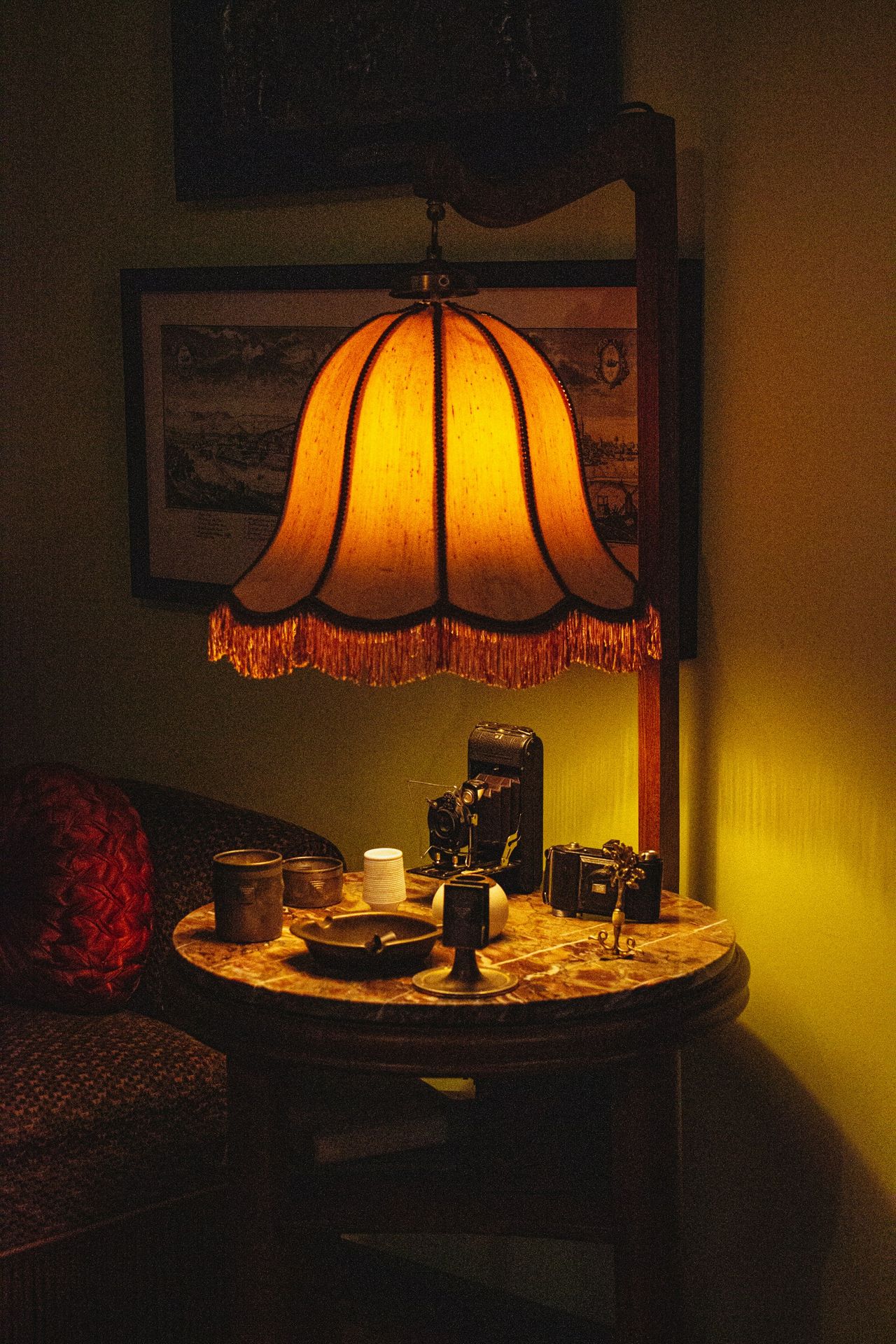
Home renovation activity in the United States remains historically elevated, even as homeowners are pulling back on future spending and looking for ways to make projects feel distinctive without fully rebuilding rooms. In that environment, vintage decor has moved from a niche style preference to a broader household strategy shaped by renovation costs, resale platforms and a search for character.
Vintage decor is rising alongside a more cautious renovation market

Houzz said on April 22 that more than half of U.S. homeowners, 54%, completed renovation projects in 2025, while median renovation spend held at $20,000, according to the company’s 2026 U.S. Houzz & Home Study. The same report said homeowners are becoming more measured about the next round of projects, with 50% planning renovations in 2026, down from 52% a year earlier, and intended median spend falling to $15,000. That combination matters for decor trends because it points to a market where households still want homes to feel updated, but are less willing to commit to full-scale, high-cost overhauls.
Houzz’s design trend reporting shows vintage is gaining attention inside that spending reset. In its 2025 Emerging Summer Trends Report, Houzz said searches related to vintage design posted significant year-over-year growth, reflecting what the platform described as a surge in homeowner interest in authenticity, charm and character. Zillow also reported that nostalgia is appearing in 14% more listings than in 2023, while mentions of “vintage” are up 9%, linking old-world style to current buyer and seller language in the housing market.
Higher-end design marketplaces are seeing the same shift. In its annual designer survey, 1stDibs said the share of items sourced for projects that were vintage or antique reached 36% in 2025, the highest proportion since 2021. The company also said designers were showing greater interest in pre-1920 antiques and pieces from the 1920s to 1950s, a sign that the vintage move is not limited to decorative accents but is affecting core furnishing choices.
Taken together, those numbers suggest homeowners are not simply recreating period rooms for nostalgia’s sake. They are using older furniture, lighting and accessories as a practical way to add finished detail, material richness and visual individuality when full renovations, custom millwork and brand-new designer pieces remain expensive.
The shift is national, but it shows up most clearly in how homes are marketed and furnished
This trend is not limited to one city or one housing type, and the available data describe it as a national pattern rather than a state-by-state one. Houzz’s renovation studies are based on nationwide surveys of homeowners, including 21,889 users in its 2025 U.S. Houzz & Home Renovation Trends report and 1,034 users in its 2026 renovation plans report. Zillow’s home-trend analysis also tracks language across for-sale listings nationally, which means the increase in “nostalgia” and “vintage” references reflects what sellers and agents believe resonates with buyers across many markets.
What is not yet publicly broken out in a detailed way is which individual states or metro areas are driving the strongest vintage-decor growth. Houzz has not released a comprehensive state-by-state ranking for vintage searches in the material reviewed, and Zillow’s public trend summary does not provide a full local list for vintage-related listing language. That means it is possible to confirm a broad U.S. shift, but not to say from current public data that one state is definitively leading the movement.
Even so, the pattern aligns with broader conditions in the housing market. Zillow said buyers are looking to the past for warmth, character and comfort, particularly as technology-heavy homes and standardized finishes have become more common. In practical terms, that means vintage lighting, older case goods, antique art, inherited wood furniture and secondhand accessories can help newer or recently renovated homes feel less generic without requiring major construction.
The appeal also spans price points. While luxury marketplaces such as 1stDibs track antiques and designer-grade vintage, the same aesthetic direction is visible in mainstream renovation behavior, where homeowners combine repainting, decorating and selective furniture replacement rather than gut remodels. That is one reason vintage decor now reads less like a specialty collector’s category and more like a flexible tool that works in starter homes, suburban renovations and high-end interiors alike.
Cost, scarcity and durability are driving the revival more than pure nostalgia
The strongest evidence suggests the vintage comeback is being driven by economics and housing realities as much as by taste. Houzz reported that renovation activity stayed strong, but homeowners planned to reduce intended median spend to $15,000 for 2026 from $20,000 in 2025. In that setting, a vintage cabinet, reclaimed dining table or secondhand lamp can serve as a lower-cost alternative to a larger remodel while still changing the feel of a room in a visible way.
Housing supply pressures add to that dynamic. Realtor.com’s 2025 housing supply gap report said the U.S. remains undersupplied relative to household formation, helping keep many owners in place longer rather than moving into homes that already match their preferences. When households stay put, decorating becomes a more practical lever than trading up, and vintage pieces can help refresh spaces incrementally instead of through a full renovation cycle.
Design professionals are also tying the trend to material quality and sustainability. The 1stDibs survey said designers expected sustainability to remain a factor in projects, while reporting increased willingness to source antiques and vintage furniture. In effect, older pieces are being chosen not only because they look distinctive, but because they are already made, often better constructed than mass-market alternatives, and able to deliver patina and craftsmanship that would be expensive to replicate new.
For homeowners, that means the vintage resurgence is likely to show up less as a strict return to one historical style and more as selective mixing: an antique chest in a renovated bedroom, Murano-style lighting over a new island, or older wood furniture paired with updated kitchens and baths. The current data do not show a retreat from renovation altogether. Instead, they show homeowners continuing to invest in their homes while relying more heavily on vintage decor to stretch budgets, add personality and make practical updates feel finished.