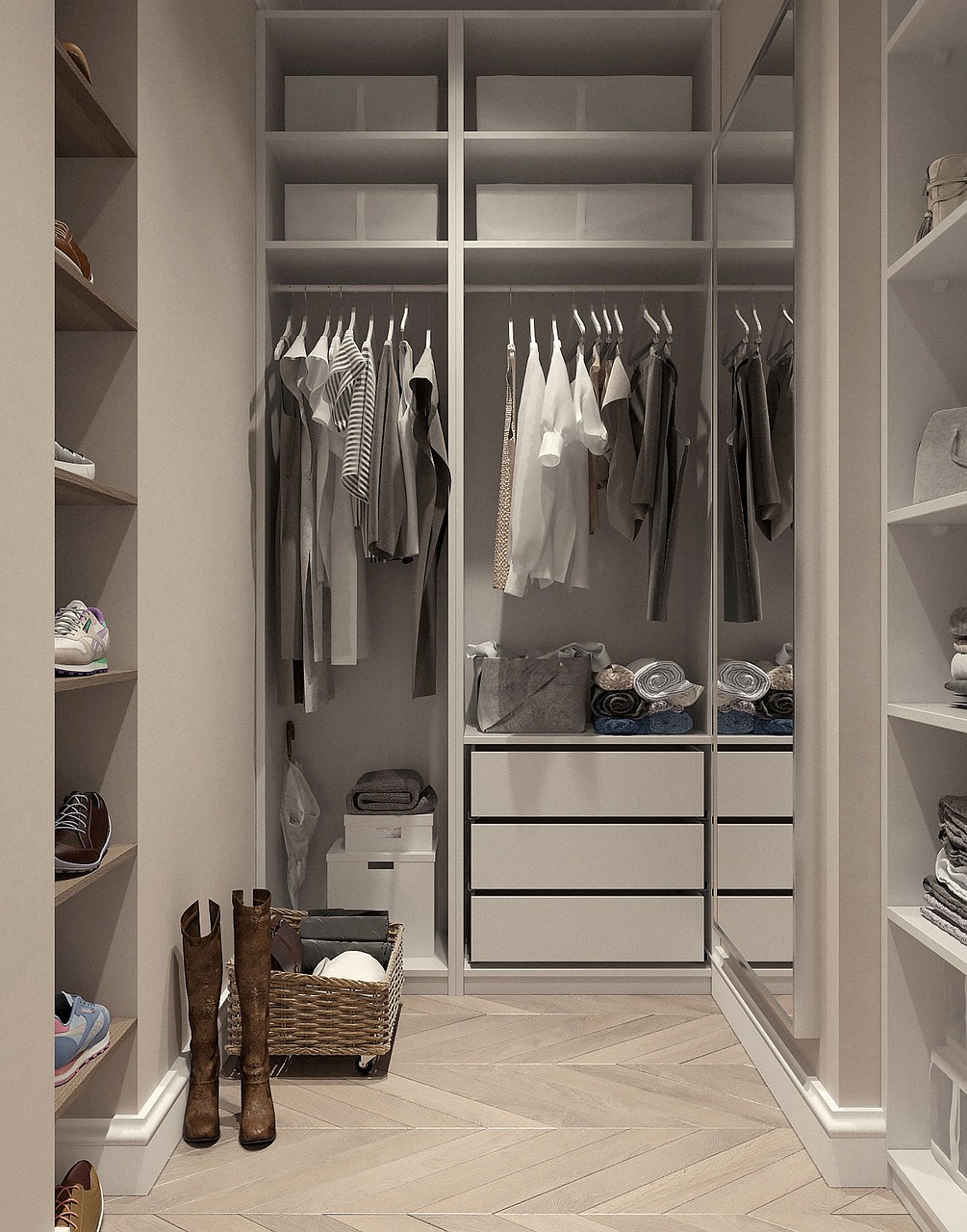
For much of the past decade, American home organization was defined by matching bins, clear canisters and tightly labeled storage systems sold as both a design choice and a lifestyle upgrade. Now that aesthetic is losing ground, and the clearest recent sign came on April 23, 2026, when The Container Store announced a nationwide reset across 98 stores as it made room for a broader merchandise mix beyond the category that made its name.
The organization boom’s signature retailer is being remade

The Container Store, long synonymous with the acrylic-bin, labeled-pantry style that dominated social media and home-improvement television, said on April 23 that 98 stores would begin resetting their selling floors as part of a chainwide “Store Changing” event, according to the company’s announcement carried by Business Wire and Nasdaq. The retailer said the overhaul was designed to prepare for the phased integration of Bed Bath & Beyond products, a notable shift for a chain built around specialty storage and organizing goods. Retail TouchPoints reported that the reset also involved a reduction of roughly 30% of SKUs, shrinking space devoted to some of the inventory mix that had defined the brand.
That operational change followed a difficult stretch for the company. The Container Store filed for Chapter 11 bankruptcy protection on December 23, 2024, while stating that stores would continue operating during restructuring, according to the Associated Press and other contemporaneous reports. AP reported that the company had been squeezed by mounting losses and cash flow shortages as competition intensified and demand softened in a housing market constrained by high prices and elevated mortgage rates.
The store reset does not mean Americans have stopped organizing their homes. What it does show is that a retailer built almost entirely around premium organization products is broadening its strategy after years in which the category held unusual cultural influence. The trend Americans appear to be pulling back from is not organization itself, but the highly standardized version of it: the “everything in a labeled bin” system that blended minimalism, visual uniformity and shopping-driven solutions. In practical terms, the news event is the reconfiguration of nearly the entire store base of a national chain that once embodied that look.
The shift is national, but it is showing up in everyday homes rather than one state at a time

Unlike a restaurant closure wave or a regional bankruptcy filing, this trend is not confined to one state. The Container Store’s April 23 announcement described the store reset as nationwide and identified 98 stores across the United States, signaling that the company sees the need for change across its footprint rather than in a single market. The company did not release a state-by-state breakdown in that announcement, and it has not published a comprehensive public list explaining exactly how the merchandise reset will vary from one location to another.
That matters because the home-organization trend at issue was always a national consumer behavior story. The rise of pantry decanting, matching hangers, modular closet systems and rows of identical bins was accelerated by Instagram, TikTok, streaming-era home makeover shows and the pandemic home-upgrade cycle. But recent reporting points to a different consumer mood. In a January 12, 2026 report, The Washington Post quoted professional organizers warning that many households buy bins and baskets before they sort what they actually need to keep. One organizer told the paper that “decisions, not storage bins, create organization,” reflecting a more skeptical view of the product-heavy model that became mainstream over the past several years.
Housing and design data also show that consumers are leaning away from sterile, uniform interiors. Zillow’s 2026 Home Trends report said buyers increasingly want highly personalized spaces that feel warm and individual rather than minimalist and all-neutral. Good Housekeeping, citing interior designers in January 2026, similarly reported that minimalism is among the home trends fading as homeowners move toward spaces that feel more lived-in and personal.
So while there is no single state-specific impact to measure, the local effect is easy to recognize: Americans are still organizing, but many are doing it with less emphasis on showroom-style perfection. The company has not said which individual stores will see the biggest assortment changes first, and it has not tied the reset to any one region. What is confirmed is that the transition is broad, national and directly tied to a rethinking of what shoppers want from their homes.
Higher costs, weaker housing turnover and changing tastes are all part of the reversal

Several verified forces help explain why Americans are stepping back from the old organization trend. First is economics. AP reported when The Container Store filed for bankruptcy that the company was contending with a rough housing market and increased competition from mass retailers including Target and Walmart. When fewer people move, remodel or reconfigure spaces, demand for premium closet systems, specialized storage products and discretionary organizing accessories tends to soften as well.
Second is pricing pressure inside the category itself. The Container Store built its reputation on premium solutions, custom spaces and a service-led approach, but that positioning became harder to defend as lower-cost alternatives multiplied online and at big-box chains. A specialized retailer can struggle when shoppers decide a basic basket, shelf riser or drawer insert from a discount competitor is good enough. The April 2026 decision to integrate Bed Bath & Beyond products into 98 stores suggests the company is seeking a broader household-goods identity rather than relying as heavily on premium organization alone.
Third is a change in consumer taste. Zillow said in its 2026 trends report that buyers are moving toward color-drenched, whimsical and highly personalized spaces. Good Housekeeping reported that designers see minimalism fading in favor of warmer, more expressive rooms. In the organizing world, Livingetc reported in March 2026 that professional organizers are seeing less appetite for “aggressive” decluttering and more interest in intentional ownership, with spaces designed around routines and personal meaning rather than strict reduction.
For customers and residents, the practical takeaway is straightforward. Americans are not abandoning tidy homes, closet systems or storage products altogether, and The Container Store has continued operating while reshaping its business. But the era when home organization was widely sold as a one-size-fits-all visual formula appears to be weakening. The retailer’s nationwide reset, combined with design and housing data pointing toward more personal interiors, suggests the next phase of home organization will be less about rows of identical containers and more about how people actually live in their spaces.