U.S. homeowners are continuing to pour money into kitchen remodels even as moving remains expensive and existing housing stock gets older. The clearest pattern in the latest remodeling data is that many owners are finally paying for better storage and better lighting, two practical upgrades that industry groups say households increasingly view as overdue.
House and NKBA data point to storage and lighting as the upgrade wave gaining the most traction

Houzz released its 2026 U.S. Kitchen Trends Study on January 13, 2026, based on a survey of 1,780 U.S. homeowners, and the report found that 76% of renovating homeowners add specialty built-in features during a kitchen project. Houzz also reported that 84% upgrade cabinets and 78% upgrade lighting, putting both categories near the center of today’s remodeling decisions. That matters because cabinets and lighting are not cosmetic add-ons in the data set; they are among the most commonly changed components in the room, alongside countertops, backsplashes, sinks and faucets.
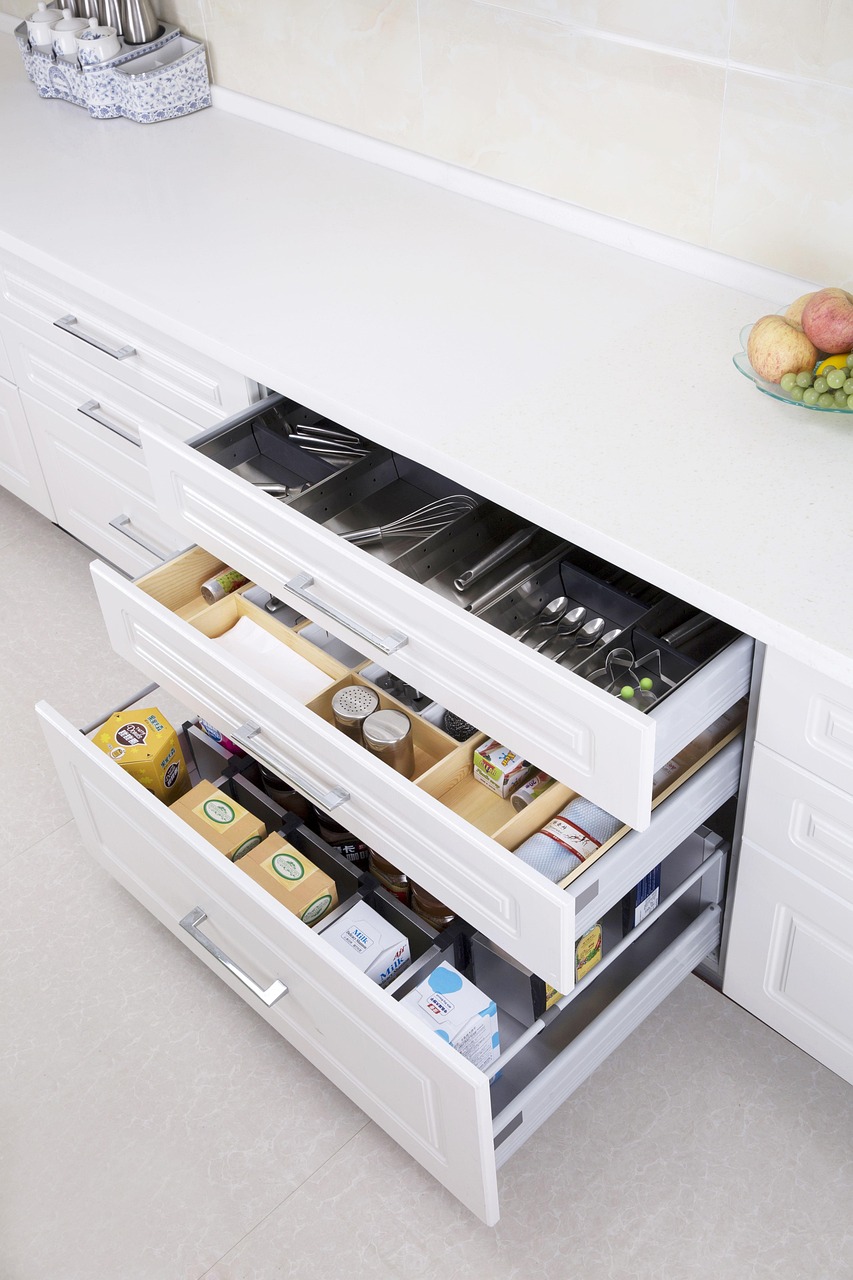
The report also identified pantry cabinets as the top built-in kitchen feature, a sign that homeowners are using remodel budgets to correct everyday storage limits rather than just refresh finishes. Houzz said more than two-thirds of renovating homeowners, or 68%, replace all cabinets, while another 27% choose partial replacements. In practical terms, that means many projects are being used to redesign how kitchens function, with deeper drawers, more accessible storage zones and built-in pantry solutions taking priority over simple face-lifts.
The National Kitchen & Bath Association, in its 2026 Kitchen Trends Report press materials, described the same movement from the design-industry side. NKBA said islands packed with storage, floor-to-ceiling cabinetry, walk-in and butler pantries, and refrigerators with custom configurations are among the features gaining attention. The group also said natural lighting, quality lighting and task lighting for work zones rank among the most important design considerations for homeowners, while under-cabinet lighting was identified by 82% of respondents as a leading trend.
Taken together, the two reports point to a kitchen-upgrade story that is less about a single luxury appliance and more about infrastructure homeowners use every day. A larger island can add drawers and seating, but under-cabinet fixtures, interior cabinet lights and pantry storage often solve the frustrations people notice repeatedly: dark prep areas, crowded counters and difficult-to-reach supplies. The data does not frame those choices as a niche preference. It presents them as mainstream remodeling priorities in 2026.
For homeowners across the U.S., the impact is practical: more function in the same footprint

The available research is national rather than state-specific, and neither Houzz nor NKBA has released a comprehensive state-by-state list showing where storage and lighting upgrades are most concentrated. What is confirmed is that these projects are reaching a broad cross-section of U.S. homeowners who are renovating instead of relocating. Houzz said in its 2026 kitchen study that the findings reflect homeowners who recently completed a kitchen renovation, are in the middle of one or plan to start soon, making the data a current snapshot of active remodeling behavior.
One reason the trend matters locally is that many homeowners are not expanding their homes dramatically; they are trying to make existing kitchens work better. Houzz’s earlier 2025 Kitchen Trends Study found that 64% of homeowners renovated within the kitchen’s original footprint, while 35% increased it. That suggests many of the gains from storage walls, pantry cabinets, drawer systems and task lighting can happen without a full addition, a point that makes these upgrades relevant in dense neighborhoods, older suburbs and markets where square footage is costly.
For residents weighing what actually changes daily use of the room, the research is unusually concrete. Under-cabinet lighting improves visibility on counters where food prep happens. Pantry cabinetry and built-ins reduce the need to store small appliances or dry goods on work surfaces. Better drawer layouts can replace hard-to-reach lower cabinets, and interior cabinet lights can make tall or deep storage easier to use, especially in households with children or older adults.
What remains unclear is how these preferences break down by metro area, income bracket or housing type in every state. The national reports do not provide a full list of affected local markets, and they do not say that every homeowner regrets delaying the same feature. But the pattern is consistent: when homeowners spend on kitchens now, the projects increasingly focus on visibility, access and storage capacity rather than on style alone.
The broader context is housing pressure, higher tenure and a remodeling market focused on usability

Houzz has directly linked the current remodeling cycle to larger housing-market conditions. In press materials accompanying the 2026 study, the company said aging housing stock, a shortage of available homes and longer homeowner tenure are pushing more people to improve the kitchens they already have rather than move. That framing helps explain why built-ins and lighting are showing up so prominently. If a homeowner expects to stay in place longer, investments that make cooking, cleaning and storage easier every day can carry more value than trend-driven surface changes.
The same reports also show that aesthetics still matter, but function is shaping where dollars go. Houzz said wood overtook white as the most popular cabinet color in renovated kitchens, and its 2025 study found that 44% of homeowners started remodeling because they could no longer stand the style of the old kitchen, while 35% cited deterioration or breakdown. Even so, the heavy spending on cabinets, built-ins and lighting suggests that many households are using style updates as an opportunity to fix long-standing practical problems at the same time.
Industry groups have been documenting that shift for several cycles. NKBA’s 2024 and 2026 trend materials emphasize islands as work hubs, storage density, layered lighting and kitchens that support multiple functions beyond meal prep. Its 2025 year-in-review also said open layouts and multifunctional planning look more like long-term structural changes than short-lived design fads. In that context, the kitchen upgrade homeowners wish they had made earlier is not one isolated product. It is the decision to improve how the room works through better storage planning and better light.
For customers and residents, the immediate takeaway is straightforward. Homeowners entering 2026 remodels should expect continued emphasis on pantry solutions, cabinet replacement, island storage and task lighting because those are the categories the latest national data shows gaining the most traction. Houzz’s renovation-trends reporting indicates remodeling activity has remained firm, which means the industry is still responding to sustained demand for kitchens that function better in place, not just look newer.