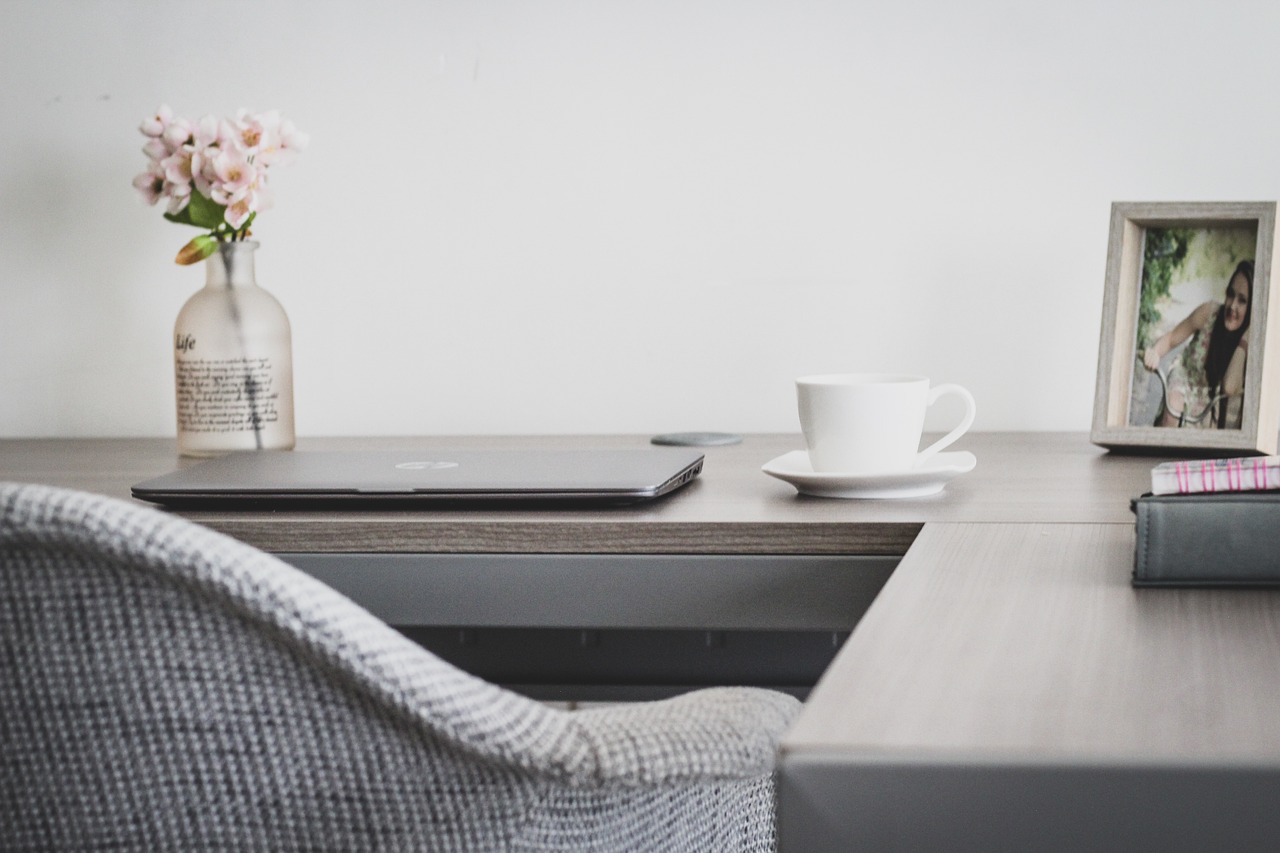
As housing costs, renovation budgets and hybrid lifestyles continue to reshape how Americans use their homes, design decisions are moving further away from trend cycles and closer to everyday function. The shift is showing up in national surveys from architects, renovation platforms, builders and rental housing companies, all pointing to the same idea: people are decorating around what they do every day, not just how a room photographs.
National housing and design data show a measurable shift toward routine-first decorating

The clearest evidence comes from several 2025 reports that track how Americans are furnishing and updating their homes. In the 2026 U.S. Houzz and Home Renovation Trends Study, released in 2026 and based on a final U.S. sample of 20,358 respondents, Houzz reported that rugs were the most common interior decor purchase among homeowners who renovated in 2025 at 48%, followed by pillows and throws at 47%, artwork at 42%, and both large and small furniture at 39%. Storage and organizational products also reached 33%, placing practical items alongside decorative purchases rather than below them. That matters because it suggests people are not abandoning decor spending; they are increasingly combining style purchases with items that shape how a home works day to day.
Architect survey data points in the same direction. The American Institute of Architects announced on April 24, 2025, that its Q1 2025 Home Design Trends Survey found continued demand for open and flexible floor plans, informal spaces and larger or multiple living areas, while outdoor living and blended indoor-outdoor spaces remained among the strongest features gaining popularity. In the same survey, accessory dwellings or rental units and micro-housing options also posted increases, showing that households are adapting layouts to changing needs, not simply updating finishes. Those findings indicate that use patterns inside the home are influencing design choices at the planning stage as well as the decorating stage.
Among renters, the same logic appears in smaller spaces and with tighter budgets. Rently’s 2025 Apartment Design & Decor Trends Report, based on a January 2025 Pollfish survey of 500 U.S. adult renters planning to refresh or decorate, found that 56% planned to add color through artwork, 55% through bold rugs and 34% through decorative lighting. The company said renters are focused on spaces that feel personal and comfortable while working within lease restrictions, which helps explain why decor choices are often tied to how a unit functions every morning, workday or evening rather than to a single headline trend.
The impact is especially visible in smaller homes, rental units and multipurpose rooms

This shift has broad national relevance, but it is especially visible in homes where space must do more work. The National Association of Realtors reported in an April 2025 consumer study that 64% of households are now one- and two-person households, a figure that helps explain why many buyers are more willing to accept less square footage if the space is better organized and more flexible. The same study found that 40% of buyers in April 2025 were willing to accept a smaller home, up from 21% in October 2022, while 33% were willing to accept smaller garages, up from 22%. NAR said those buyers are prioritizing flexible, multi-use spaces that support wellness.
That preference carries over into how rooms are furnished after a move or renovation. In compact homes, an entry corner may now be designed around daily drop zones, a dining nook may double as a work area, and a bathroom may be outfitted more like a recovery space than a purely functional room. The National Kitchen & Bath Association’s 2025 Bath Trends Report, as cited by Florida Realtors in May 2025, found that 79% of designers and contract professionals see health and wellness as key drivers in bathroom design. The same report said 90% believe the primary bath will increasingly be viewed as a personal sanctuary, while about 60% expect relaxed, retreat-like themes and spa-style environments to dominate.
What remains less clear is how evenly the trend is spread across regions, incomes and housing types. Public survey summaries establish the national direction, but they do not provide a full neighborhood-by-neighborhood picture of who is making the biggest changes first. Houzz’s homeowner sample is large, but it is based on users of its platform, and Rently’s renter report captures adults already planning to decorate. Even with those limits, the pattern is consistent: in both owned and rented homes, people are using decor to support storage, movement, work, recovery and comfort in spaces that increasingly need to serve more than one purpose.
Higher costs, longer stays and wellness priorities are helping drive the change
Several forces appear to be pushing consumers toward routine-based decorating. Cost is one of them. Houzz reported that 31% of homeowners who renovated in 2025 took on projects costing $50,000 or more, including 17% spending above $100,000, while 84% used savings to fund renovations. When households are committing that much money, the pressure to make every purchase useful grows. Decorative choices that improve comfort, reduce clutter or help a room serve multiple functions can be easier to justify than trend-driven upgrades that may feel dated in a few years.
Longevity is another factor. In a 2025 home design trends release, PulteGroup said buyers are moving toward intentionality and longer-lasting choices rather than redesigning every few years. The company’s vice president of interior design said people are investing in homes that reflect their values and support their families over time. Pinterest described a similar pattern in its 2025 Fall Trend Report, saying users are moving away from following the crowd and toward one-of-a-kind pieces that tell personal stories while keeping budget and sustainability in mind. Those statements come from brands with different business models, but both describe a consumer mindset that values usefulness and personal relevance over fast trend turnover.
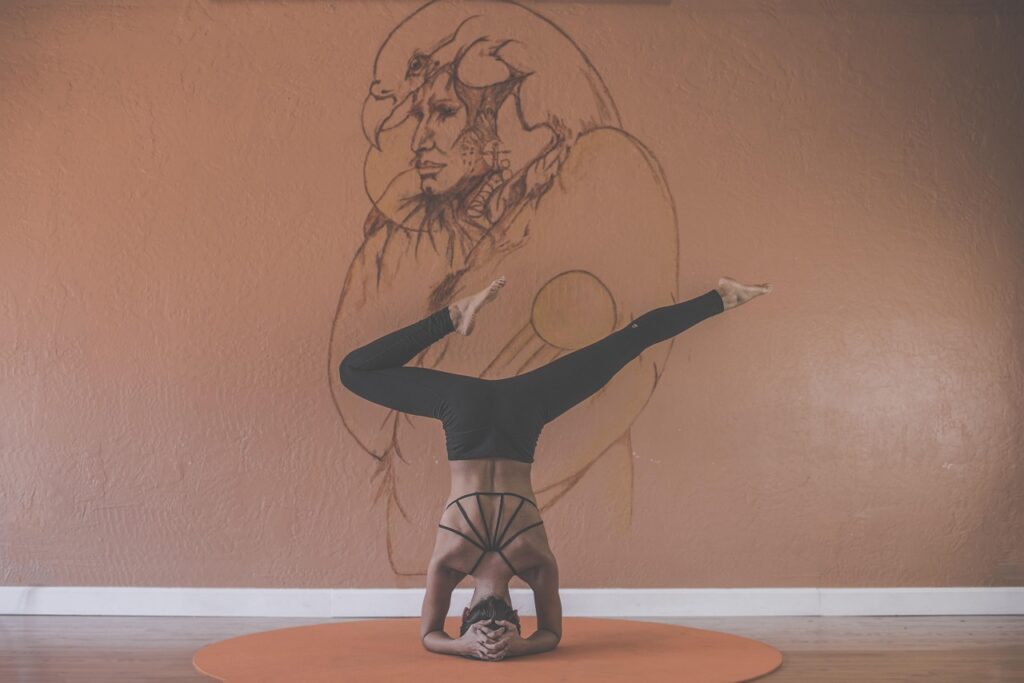
Wellness is also now a design driver, not a niche add-on. AP reported in March 2025 that designers were seeing growing demand for small home gyms, meditation rooms, music rooms and other spaces centered on retreat and recharging. The broader effect for residents is practical: a home is more likely to be arranged around morning routines, hybrid work, exercise, better lighting, easier storage and decompression at the end of the day. The available data does not suggest design trends are disappearing. It shows that trends increasingly succeed when they fit the rhythms of everyday life, and that is likely to remain central as households continue to ask more of the same square footage.